TL;DR:
- Dublin apartment management requires strict compliance with evolving legal and safety standards.
- Proactive maintenance and professional management improve property value and resident satisfaction.
- Establishing transparent finances and ongoing planning prevents costly failures and preserves long-term asset health.
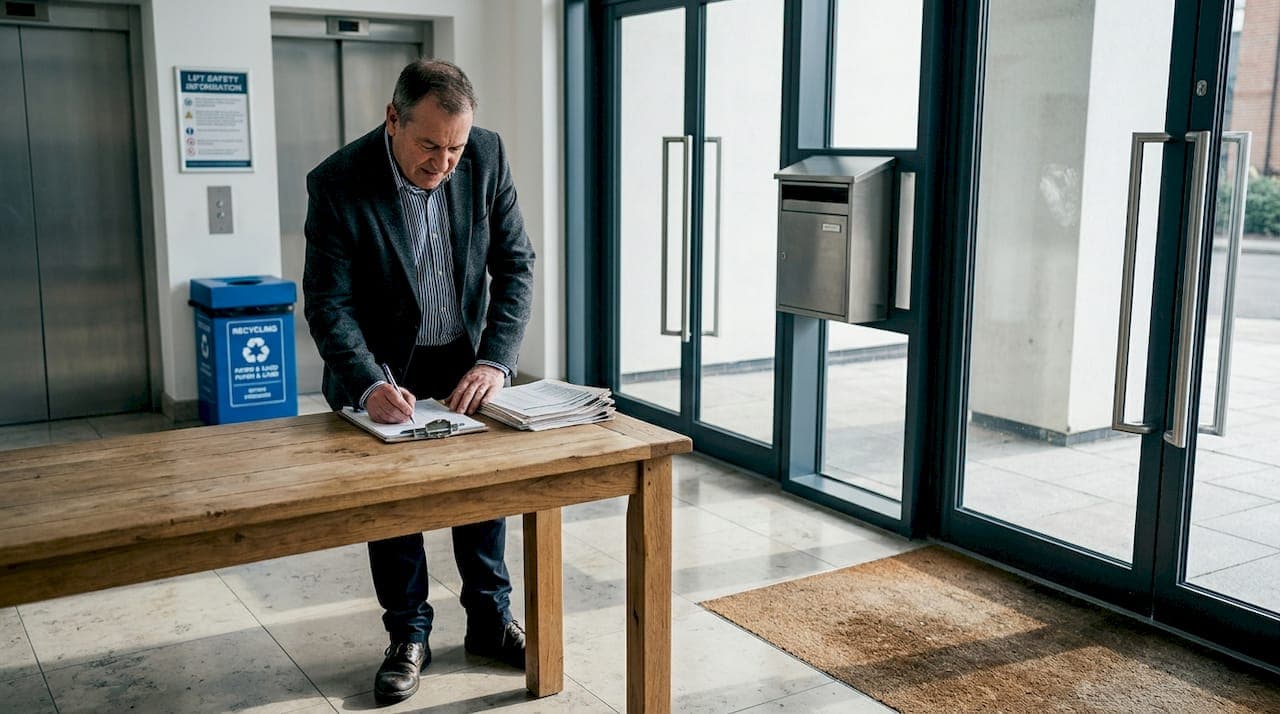
Managing an apartment block in Dublin is far more demanding than most people anticipate. A single overlooked maintenance issue — a faulty fire alarm, a dripping roof, or a failing lift — can escalate into legal notices, resident complaints, costly emergency repairs, and a measurable drop in property value. Dublin's regulatory standards are strict and have been tightening steadily, meaning that property owners and managers who rely on informal routines or reactive fixes are increasingly exposed. This guide gives you clear, practical steps to stay compliant, protect your investment, and keep residents satisfied.
Table of Contents
- Understanding legal requirements for apartment blocks in Dublin
- Core areas of apartment block maintenance: what cannot be neglected
- Preventive maintenance and technology: reducing costs and surprise failures
- Financial planning: balancing service charges, sinking funds, and major works
- Self-management vs. outsourcing: is it worth going professional?
- The uncomfortable truth about apartment block maintenance nobody tells you
- Expert support for hassle-free apartment block maintenance
- Frequently asked questions
Key Takeaways
| Point | Details |
|---|---|
| Know your legal obligations | Dublin apartment block owners must meet strict RTB standards and regular inspections. |
| Prioritise preventive care | Routine maintenance and software tools stop problems before they become expensive. |
| Plan financially for major works | Funding and transparent management are crucial to avoid surprise costs and deterioration. |
| Consider outsourcing | Professional agencies provide predictable results and reduce compliance risks in busy blocks. |
Understanding legal requirements for apartment blocks in Dublin
Before anything else, you need to know what the law actually demands. Many property owners assume they have a general duty of care and leave it at that. The reality is far more specific.
The Residential Tenancies Board (RTB) sets minimum standards regulations that are legally binding for all rental properties, including multi-unit blocks. These cover structurally sound buildings, functioning heating and ventilation, fire safety measures (including smoke alarms and fire blankets in shared areas), adequate sanitary facilities, safe electrical and gas systems, and proper refuse storage. Local authorities in Dublin, including Dublin City Council, are responsible for enforcing these standards and can issue improvement notices or prohibition notices to non-compliant owners.
Key obligations you must meet include:
- Structurally sound walls, roofs, windows, and floors with no damp or rot
- Working central heating systems and proper ventilation in all habitable rooms
- Smoke alarms on every floor, carbon monoxide detectors where needed, and fire blankets in shared kitchens
- Safe electrical installations with a valid periodic inspection report
- Gas systems serviced by a Registered Gas Installer (RGI)
- Adequate waste and recycling facilities in communal areas
"Many property managers believe that once a building passes initial inspection, they are covered. In practice, local authorities can inspect at any time, and standards that were acceptable five years ago may no longer meet current requirements."
One of the most common misconceptions is conflating what is recommended with what is required. If the RTB standard mandates working fire detection, fitting a basic alarm is not enough if a multi-unit block requires more advanced linked systems. You can read more about your obligations as a Dublin landlord, and the same principles apply to commercial property management across the city.
Non-compliance carries real consequences. Improvement notices require you to remedy issues within a set period. Prohibition notices can stop the use of a property entirely until standards are met. Persistent failure can result in prosecution and substantial fines, as well as reputational damage that is very hard to recover from.
Core areas of apartment block maintenance: what cannot be neglected
With the legal picture clear, it helps to know which maintenance areas carry the greatest risk if left unaddressed. These are the areas where problems escalate fastest.
Here are the core maintenance pillars every Dublin block manager must cover:
- Fire safety systems: Test smoke alarms monthly, service fire extinguishers annually, inspect fire doors for correct operation and integrity, and check emergency lighting every six months.
- Lift and elevator maintenance: Elevator breakdowns can cause disruptions lasting ten weeks or more, forcing residents to use stairs and creating serious access issues for elderly or disabled occupants. Engage a certified lift engineer for quarterly servicing and have a rapid-response contract in place.
- Waterproofing and cladding: High-rise blocks in Dublin are particularly vulnerable to water ingress during heavy Atlantic weather. Inspect cladding, flat roofs, and expansion joints annually, and after any significant storm.
- Mechanical and electrical systems: Boilers, communal heating controls, ventilation units, and electrical distribution boards all need scheduled inspections. Keep records of every service visit.
- Plumbing and drainage: Burst pipes and blocked drains in a multi-unit block can affect dozens of residents simultaneously. Plumbing and electrical emergencies require a response within 24 to 48 hours as a minimum.
- Communal areas and grounds: Shared corridors, car parks, bin stores, and external grounds create the first impression of your block. Seasonal maintenance of landscaping and external areas keeps the building attractive and signals to residents that the block is well managed.
| Maintenance area | Minimum frequency | Priority level |
|---|---|---|
| Fire alarm testing | Monthly | Critical |
| Emergency lighting | Every 6 months | Critical |
| Lift servicing | Quarterly | High |
| Boiler and heating | Annual + as needed | High |
| Electrical inspection | Every 5 years | High |
| Roof and cladding | Annual | High |
| Communal grounds | Monthly or seasonal | Medium |
| Lock and access systems | Annual | Medium |
Investor-heavy blocks, where units are let to short-term or rotating tenants rather than long-term residents, face higher wear and tear. Higher turnover means more frequent cleaning, quicker fixture degradation, and more frequent lock changes. A thorough lock maintenance checklist is a practical starting point for access security in these buildings.
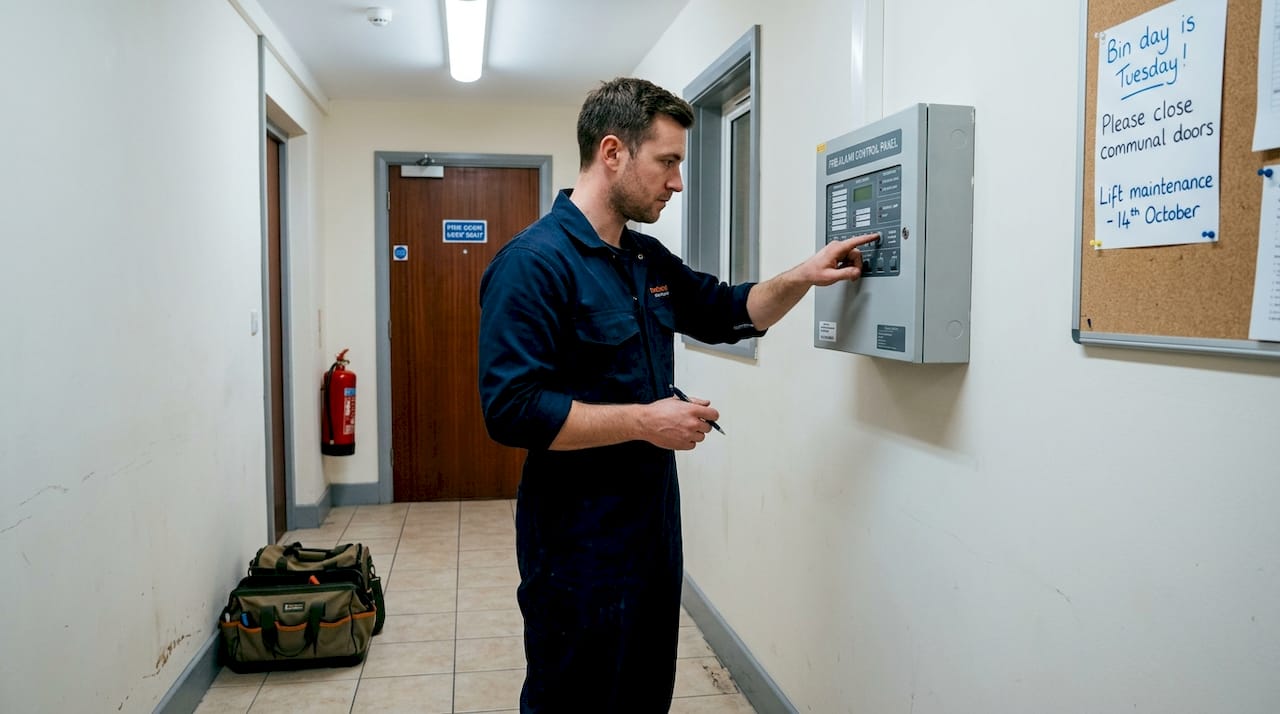
Pro Tip: Set up a simple shared maintenance log for your block, recording every inspection, repair, and contractor visit. This not only helps you spot recurring issues early, it also provides evidence of due diligence if a complaint or legal challenge ever arises.
For indoor maintenance checklists that complement your external and communal area routines, there are detailed guides specific to Dublin properties that can save you time setting up your own systems.
Preventive maintenance and technology: reducing costs and surprise failures
Reactive maintenance, fixing things only when they break, is the most expensive way to run a block. It also causes the most disruption to residents and the most stress for managers. The alternative is preventive maintenance: planned, scheduled work that catches problems before they become costly failures.
The difference matters more than most people realise. Building maintenance management research consistently shows that proactive preventive maintenance and software integration reduce emergency costs and enhance property value, while outsourcing to PSRA-licensed firms ensures compliance and tenant satisfaction.
| Approach | Cost profile | Risk level | Resident satisfaction |
|---|---|---|---|
| Reactive (fix when broken) | High emergency costs | High | Low |
| Preventive (scheduled servicing) | Moderate, predictable | Low | High |
| Preventive with digital scheduling | Lower long-term costs | Very low | Very high |
Digital maintenance management tools are now used by professional property managers across Dublin. These platforms allow you to schedule inspections, track contractor visits, log compliance records, and receive automated reminders when service dates are approaching. Some integrate with AC maintenance planning and HVAC systems, making it easy to manage the full spectrum of mechanical services in one place.
Effective maintenance scheduling is one of the most reliable ways to reduce the total cost of running a block, as small, routine interventions cost far less than emergency call-outs and major repairs. Studies from the property management sector suggest that every €1 spent on preventive maintenance can save between €3 and €5 in future reactive repair costs. That is a significant return for any block.
Outsourcing to licensed professionals also has a direct impact on property value. Blocks that are consistently well maintained achieve higher rental yields, retain residents for longer, and command stronger resale prices. It is not just about avoiding problems. It is about actively growing the value of the asset.
Pro Tip: Review your maintenance spending annually and separate it into preventive and reactive categories. If reactive costs are more than 40% of your total maintenance budget, that is a clear signal that your preventive routines need strengthening.
The distinction between maintenance versus repairs is also worth understanding clearly, as the two are treated differently in accounts, budgets, and sometimes in lease agreements.
Financial planning: balancing service charges, sinking funds, and major works
Even the best maintenance plans fall apart without proper financial backing. Service charge increases are a sensitive topic in Dublin right now. Management fees for some apartment blocks have risen by over 50% in seven years, driven by higher insurance premiums, energy efficiency retrofits required by government targets, and the urgent need to build adequate sinking funds.
Understanding where the money goes helps you defend increases to residents and plan more accurately:
- Insurance premiums: Rising claims, stricter underwriting, and newer compliance requirements push insurance costs up each year
- Energy retrofits: BER improvements, heat pump installations, and insulation upgrades required by evolving standards carry significant upfront costs
- Sinking funds: Regular contributions to a ring-fenced reserve for major works such as roof replacement, lift overhauls, and façade repairs
- Grounds and communal maintenance: External cleaning, landscaping, window cleaning, and general upkeep of shared spaces
- Professional management fees: PSRA-licensed agency costs, accountancy, legal advice, and company secretarial work for the OMC
A sinking fund is not optional for any responsibly managed block. Without one, a single major works project — replacing a roof, for example, or overhauling a communal heating system — creates a sudden, large levy that residents often cannot or will not pay. Apartment owners face significant long-term costs related to design standards in Dublin, including lift-to-unit ratios that increase long-term service costs. OMC handover to residents without proper infrastructure, like a dedicated management office and professional advisors, frequently leads to a decline in standards.
Pro Tip: Commission an independent building surveyor to carry out a five-year expenditure forecast for your block. This gives you a solid basis for setting sinking fund contributions and justifies service charge levels to owners in a transparent, evidence-based way.
Transparency in OMC accounts is essential. Residents who understand what they are paying for are far more accepting of increases than those who receive unexplained invoices. Annual general meetings should present accounts clearly, with plain-English explanations of every major line item. Understanding curb appeal and how grounds maintenance directly affects property values can also help owners appreciate why external maintenance is a sound investment rather than an unnecessary expense.
Self-management vs. outsourcing: is it worth going professional?
This is the question most Dublin block owners eventually face. Self-management appears to save money on paper. In practice, the picture is more complicated.
Self-managing a Dublin apartment block typically means:
- Personally handling contractor relationships, scheduling, and oversight
- Staying current with evolving RTB and local authority regulations
- Managing resident complaints and emergency calls at all hours
- Maintaining compliance records, insurance renewals, and OMC accounts
- Taking on personal liability for lapses in standards or safety
Investor-heavy blocks require particularly intensive management due to higher turnover and greater wear on communal areas. When residents change frequently, standards slip faster if no one is actively enforcing them.
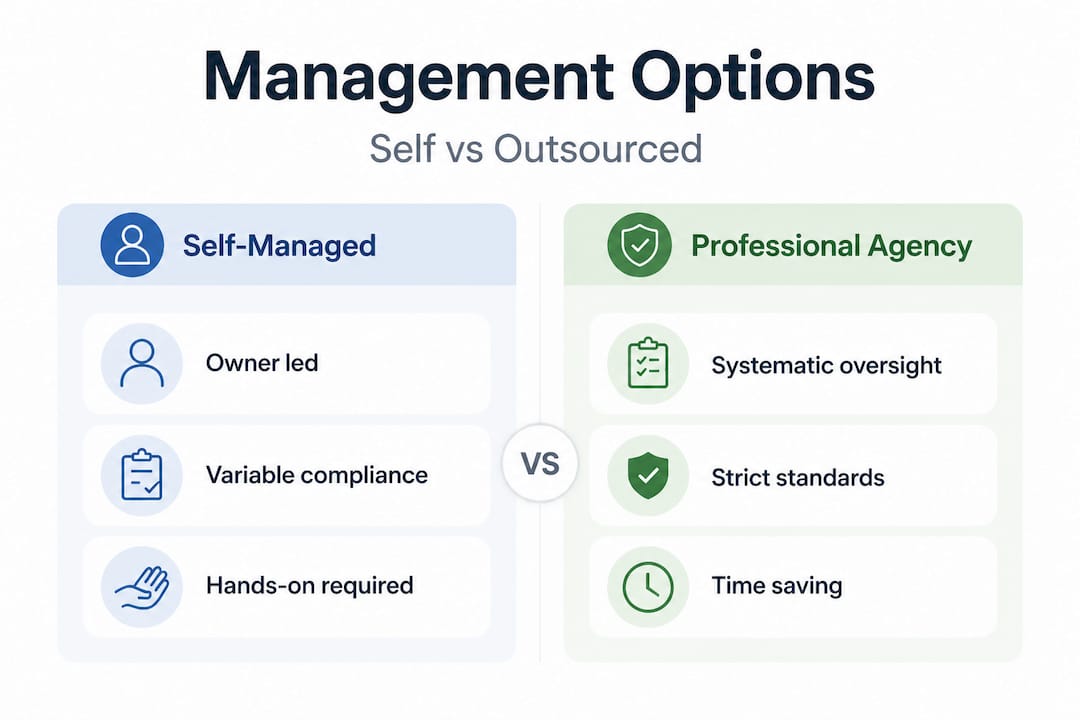
| Factor | Self-management | Professional agency |
|---|---|---|
| Compliance oversight | Owner-dependent | Systematic, documented |
| Emergency response | Variable | Contracted SLAs |
| Cost predictability | Low | High |
| Resident satisfaction | Variable | Consistently higher |
| Legal risk | Higher | Lower with PSRA licence |
| Time commitment | Very high | Minimal for owner |
Professional agencies handle outsourcing cleaning services and duct cleaning for multi-unit buildings as part of coordinated building maintenance programmes, delivering consistency that individual owners rarely match. The preference among experienced Dublin property investors is clear: once a block reaches a certain size or complexity, professional management delivers better outcomes across every measure that matters.
The uncomfortable truth about apartment block maintenance nobody tells you
Here is what most maintenance guides leave out: the vast majority of serious failures in Dublin apartment blocks do not happen because owners lack knowledge. They happen because owners know what should be done and choose to delay it.
The roof inspection gets pushed to next quarter. The sinking fund contribution gets reduced because service charge increases are unpopular. The fire door that is not quite shutting properly gets noted but not actioned. These are not ignorance failures. They are planning failures, and they are far more common.
The Dublin blocks that perform best financially, retain residents longest, and attract the strongest buyers when they come to sell have one thing in common: they treat maintenance as a continuous business function, not an annual event. Their OMCs meet quarterly, not just for the AGM. Their managers review effective maintenance scheduling and compliance records monthly. When a new regulation comes in, they adapt their systems within weeks, not years.
Proactive planning is not just cheaper than reactive fixing. It is the single biggest differentiator between blocks that hold their value and blocks that quietly deteriorate while their owners wonder why resale prices are disappointing. Budgeting and standards monitoring are not annual events. They are ongoing disciplines. The blocks that do this well invest up front in professional advice and expertise, and they consistently outperform those that try to manage costs by cutting corners on service.
Expert support for hassle-free apartment block maintenance
The practical guidance in this article covers what needs to happen. But knowing what to do and having the capacity to do it well are two different things. For many Dublin property owners and managers, the smartest move is to bring in a team that handles the detail so you can focus on the bigger picture.
At Sherry Property Care, we specialise in high-quality grounds maintenance and landscaping for apartment blocks and residential developments across Dublin. Our work covers everything from lawn care and hedge trimming to full communal grounds upkeep, keeping your block looking its best every season. A well-maintained exterior signals quality, supports resident satisfaction, and protects the long-term value of your asset. We offer customised quotes tailored to the specific needs of your block. Send us a few photos and we will get back to you with a clear, straightforward proposal. Get in touch today and let us take care of the outside while you focus on everything else.
Frequently asked questions
What is the legal minimum for apartment block maintenance in Dublin?
RTB minimum standards require structurally sound buildings, working fire and heating systems, sanitary facilities, and safe electricity and gas in all blocks. Local authorities in Dublin enforce these and can issue improvement or prohibition notices for non-compliance.
How often should apartment block systems like lifts and boilers be serviced?
Systems such as lifts and boilers should be inspected and serviced at least annually, with urgent repairs within 24 to 48 hours for key breakdowns. Lifts benefit from quarterly servicing contracts given the disruption caused by extended outages.
What is a sinking fund and why is it necessary?
A sinking fund is a ring-fenced financial reserve built up over time for major works such as roof repairs or lift replacement. It is essential for long-term upkeep and prevents the sudden large levies that can cause serious financial hardship for apartment owners.
Does outsourcing apartment block maintenance save money in the long run?
Professional outsourcing often reduces emergency repair costs and boosts property value by ensuring standards and compliance are consistently met. PSRA-licensed firms also provide documented records that protect owners in the event of disputes or inspections.
Why have apartment block service charges increased so much recently?
Recent increases are primarily driven by higher insurance costs, energy efficiency retrofits, and the need to build adequate sinking funds for future large-scale repairs. Auditing your OMC accounts annually is the best way to ensure these increases are justified and transparent.
Recommended
- Property maintenance: Boost value and curb appeal in Dublin
- Property value: The crucial role of maintenance in real estate
- Indoor maintenance guide: boost property value in Dublin
- Landlord maintenance responsibilities: Essential Dublin guide
- Essential property manager cleaning checklist for safer buildings - Amazon Air Duct Cleaning
- Property maintenance: Cape Coral rental success guide