TL;DR:
- Dublin landlords have strict legal responsibilities for property maintenance and safety standards.
- Commercial leases often shift repair duties to tenants, but landlords retain statutory compliance obligations.
- Proactive maintenance and proper documentation prevent disputes and ensure regulatory compliance.
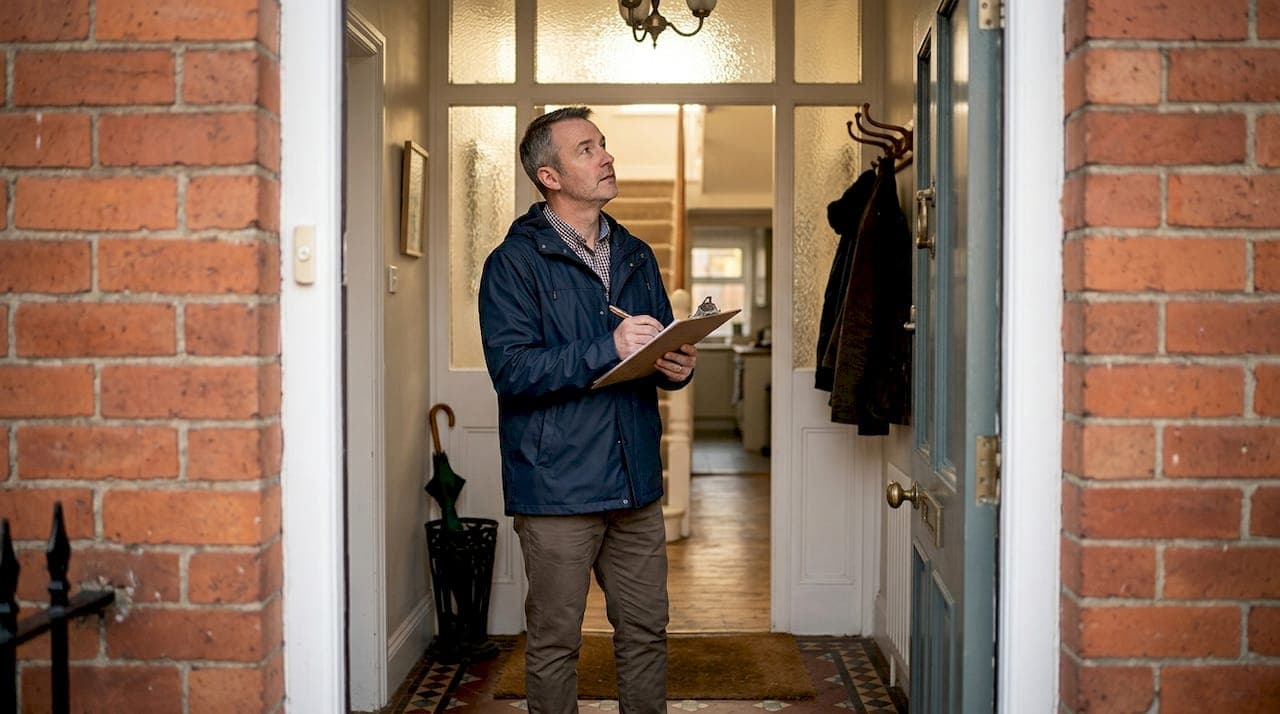
Imagine getting a call at midnight about a burst pipe, or opening a letter from the local authority about a failed inspection. For Dublin landlords, these situations are not hypothetical. They happen, and they happen more often to landlords who are unclear on their legal duties. Knowing your maintenance responsibilities is not just good practice. It is a legal requirement. Whether you own a single rental flat or a portfolio of commercial units, the rules governing what you must maintain, repair, and inspect are specific and enforceable. This guide breaks down exactly what you need to know to stay compliant and protect your investment.
Table of Contents
- Understanding the core responsibilities: Residential landlord obligations
- Commercial leases in Dublin: Contractual maintenance and dilapidations
- What landlords must repair: Structure, utilities, and safety essentials
- Managing wear and tear, inventories, and inspections: Best practice for landlords
- Why proactive maintenance is your true legal and business safety net
- Get help with your property maintenance duties
- Frequently asked questions
Key Takeaways
| Point | Details |
|---|---|
| Legal obligations first | Understand and comply with minimum standards to avoid disputes and enforcement action. |
| Know your lease | Commercial and residential duties differ; always check your contract or statutory requirements. |
| Major vs minor repairs | Landlords typically handle structure and safety, tenants handle minor day-to-day issues. |
| Document inspections | Regular inspections and inventories are your best defence in any dispute. |
| Proactive beats reactive | Early intervention with upkeep can save money and avoid legal trouble later. |
Understanding the core responsibilities: Residential landlord obligations
Every residential landlord in Dublin operates within a statutory framework. This framework is not optional, and ignorance of it is not a defence. Before you can manage your property effectively, you need to understand what the law actually requires of you.
Landlords of residential properties in Ireland must complete necessary repairs within a reasonable time, ensure the property meets minimum standards under the Housing (Standards for Rented Houses) Regulations 2019, and maintain structure, utilities, and safety features. The phrase 'reasonable time' is important. It is not defined by a fixed number of days in legislation, but context matters enormously. A broken boiler in January is an emergency. A stiff door handle is not.
Understanding the role of maintenance in real estate helps clarify why these obligations exist. Well-maintained properties retain value, attract reliable tenants, and avoid regulatory trouble.
The minimum standards for rented accommodation cover a clear list of requirements:
- No damp or structural defects
- Adequate heating and ventilation
- Hot and cold running water
- Fire safety equipment in working order
- Safe gas and electrical installations
Failure to meet these standards can result in an Improvement Notice from your local authority. Ignore that, and a Prohibition Notice follows, which can prevent you from letting the property at all. Fines can reach up to €20,000 for serious breaches.
It is also worth knowing where tenant duties begin. Tenants are responsible for day-to-day upkeep such as keeping the property clean and not causing damage. Landlords handle everything structural and systemic. Think of it this way: if it was there when the tenant moved in, it is almost certainly your responsibility to maintain it.
"Good property maintenance versus reactive repairs is the difference between a manageable cost and a crisis."
Proper drainage repair and property safety is one area landlords frequently overlook until it becomes a serious problem. Blocked or damaged drains can lead to damp, structural damage, and health hazards, all of which fall squarely on the landlord to resolve.
Commercial leases in Dublin: Contractual maintenance and dilapidations
Commercial property is a different world. Unlike residential tenancies, where the law sets out most of your obligations, commercial landlord responsibilities are largely defined by the lease itself. This gives both parties more flexibility, but it also means the detail matters enormously.
The most common arrangement in Dublin commercial property is the FRI lease, which stands for full repairing and insuring. Under an FRI lease, the tenant takes on responsibility for most repairs, maintenance, and insurance. As a landlord, this can seem like a relief. But it does not remove all your obligations.
Commercial property responsibilities are contractually defined in leases. Under FRI terms, tenants handle most repairs, maintenance, and insurance, while landlords retain statutory compliance duties. At lease end, tenants must yield up the property in the condition specified by the schedule of condition.
Here is a quick comparison of how responsibilities typically split:
| Area | FRI lease (tenant) | Landlord retained |
|---|---|---|
| Internal repairs | Tenant | None |
| External structure | Tenant | Statutory compliance |
| Insurance | Tenant | Verify adequacy |
| Common areas | Landlord | Landlord |
| Statutory safety checks | Shared | Landlord oversight |
Dilapidations are a major source of commercial lease disputes. At the end of a lease, a landlord can serve a schedule of dilapidations, which is a formal list of repairs the tenant must carry out or pay for. However, any claim is capped by the principle of diminution in value. You cannot claim more than the actual reduction in the property's market value caused by the disrepair.
This is why a schedule of condition at the start of a lease is so valuable. It documents the property's state before the tenant moves in, giving both sides a clear baseline. Without it, disputes become much harder to resolve.
Effective maintenance scheduling in commercial leases helps landlords track obligations and avoid end-of-lease surprises. Keep records, inspect regularly, and do not assume the tenant is handling everything just because the lease says they should.
What landlords must repair: Structure, utilities, and safety essentials
Knowing the broad categories of responsibility is useful. Knowing the specific items you are legally required to maintain is essential. Let us get practical.
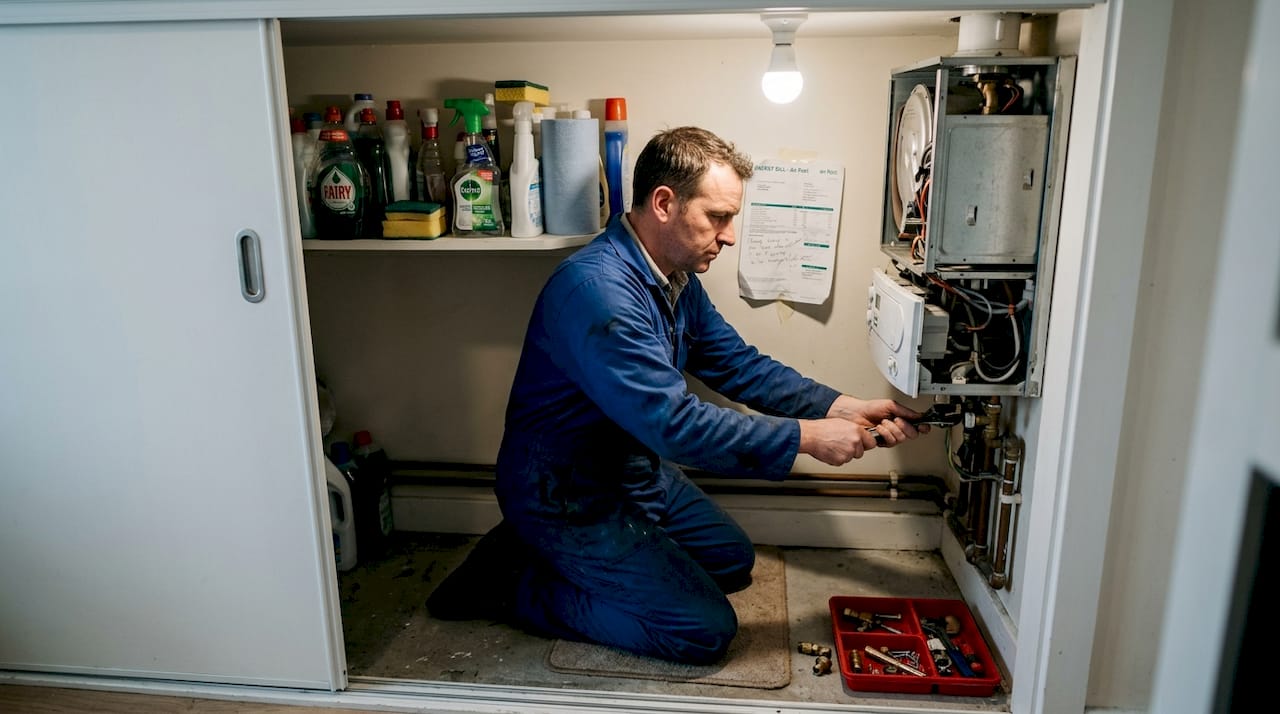
Landlords are responsible for structural repairs, heating, gas, electricity, and water systems. Tenants handle minor issues such as changing light bulbs. This distinction matters when a dispute arises.
Here is a breakdown of who handles what:
| Item | Landlord | Tenant |
|---|---|---|
| Roof and structure | Yes | No |
| Boiler and heating system | Yes | No |
| Electrical wiring | Yes | No |
| Plumbing and water supply | Yes | No |
| Light bulbs | No | Yes |
| Minor cosmetic wear | No | Yes |
| Blocked drains (tenant caused) | No | Yes |
For emergency repairs, the expectation is a fast response. A heating failure in winter, a major leak, or a gas fault all require action within days, not weeks. If you delay, tenants have a legal route to arrange the repair themselves and reclaim the cost through the Residential Tenancies Board (RTB) process, provided they keep receipts and follow the correct procedure.
For drain repairs for landlords, acting quickly prevents minor blockages from becoming structural problems. Drainage issues that are left unaddressed can cause damp, subsidence, and significant repair bills.
Pro Tip: Keep a list of trusted, vetted tradespeople for each major system in your property. When an emergency arises, you need to act fast, and searching for a plumber at midnight is not a plan.
You can find practical guidance in this indoor maintenance guide covering what to prioritise inside a Dublin rental property to protect both value and compliance.
Managing wear and tear, inventories, and inspections: Best practice for landlords
One of the most common sources of landlord and tenant disputes in Dublin is disagreement over the condition of a property at the end of a tenancy. Getting this right from the start saves a great deal of stress.
Tenants are not liable for normal deterioration of a property over time. They are liable for damage beyond what is expected from ordinary use. The difference between a worn carpet after five years and a carpet stained by neglect is significant, both legally and financially.
Here is how to protect yourself:
- Conduct a thorough inventory before the tenancy begins, including written descriptions and photographs of every room.
- Have the tenant sign the inventory and keep a copy for your records.
- Inspect the property at regular intervals, typically every three to six months, with proper notice given.
- Document any issues found during inspections in writing and follow up on agreed repairs promptly.
- Conduct a checkout inspection at the end of the tenancy and compare it directly to the original inventory.
"An inventory is not just paperwork. It is your primary evidence if a dispute reaches the RTB."
Pro Tip: Use timestamped photographs at both check-in and check-out. A dated photo is far more persuasive in an RTB hearing than a written description alone.
If a dispute does arise, the RTB offers a mediation and adjudication service. Sanctions for landlords who fail to address legitimate maintenance complaints can include financial awards to tenants and formal compliance orders.
Using local maintenance services for regular upkeep means issues are caught early, before they become disputes or compliance failures. It also demonstrates to tenants that you take your responsibilities seriously, which builds a better landlord-tenant relationship overall.
For further guidance on keeping rental properties safe, safety upgrades for rental property offer a useful framework that translates well to the Dublin context.
Why proactive maintenance is your true legal and business safety net
Here is something most landlords learn the hard way: waiting for a problem to be reported is not a maintenance strategy. It is a liability.
Many Dublin landlords assume that if a tenant has not complained, everything is fine. That assumption is wrong. A tenant who does not complain is not necessarily living in a compliant property. They may simply not know their rights, or they may be quietly building a case.
The role of maintenance in real estate is far broader than fixing what is broken. It is about preventing problems before they escalate into RTB hearings, Prohibition Notices, or costly emergency callouts.
In our experience working with Dublin properties, landlords who schedule regular inspections and maintenance consistently avoid the serious issues. Those who wait for tenants or inspectors to raise problems often find themselves dealing with compounded damage, higher repair costs, and damaged relationships with tenants. Proactive care is not just better for compliance. It is better for your bottom line.
Get help with your property maintenance duties
If the obligations are clear but the execution feels overwhelming, you do not have to manage it alone.

At Sherry Property Care, we work with residential and commercial landlords across Dublin to keep properties in excellent condition year-round. From grounds maintenance and garden upkeep to surface cleaning and power washing, we help you present a well-maintained property that meets compliance standards and attracts quality tenants. A well-kept exterior signals to tenants, inspectors, and neighbours that you take your responsibilities seriously. Explore our full range of property maintenance services in Dublin and get in touch for a free quote today.
Frequently asked questions
How soon must a Dublin landlord fix a heating or water issue?
Landlords must repair essential systems such as heating and water within a reasonable time, which typically means days for emergencies such as no heating in winter or an active leak.
What maintenance costs are tenants responsible for in Ireland?
Tenants handle minor day-to-day upkeep such as changing light bulbs, while landlords are responsible for all structural elements and major systems.
Can landlords enter for repairs without notice in Dublin?
Landlords must give at least 24 hours' notice before entering a property for repairs, except in genuine emergencies where immediate access is necessary.
How do commercial landlord responsibilities differ from residential in Dublin?
Commercial duties are contractually defined in the lease and often shift most repair obligations to the tenant, whereas residential landlord duties are set by statute and cannot be contracted away.
What happens if a landlord ignores their maintenance obligations?
Landlords can face RTB sanctions up to €20,000 for serious breaches, and tenants may arrange urgent repairs themselves and reclaim the cost if the landlord fails to act within a reasonable time.
Recommended
- Property value: The crucial role of maintenance in real estate
- Property maintenance vs repairs: save money and boost value
- Property maintenance: Boost value and curb appeal in Dublin
- Indoor maintenance guide: boost property value in Dublin
- Residential drain maintenance: essential steps for London homes