TL;DR:
- Dublin's unpredictable climate requires season-specific property maintenance to prevent costly issues.
- Regular upkeep of drainage, gutters, and structural elements is vital throughout the year, especially in autumn and winter.
- Professional support ensures effective maintenance tailored to Dublin's unique conditions, protecting property value.
Dublin's climate is unpredictable. Wet winters, mild springs, and occasional summer dry spells mean your property faces different threats throughout the year. Without season-specific care, small issues like blocked drains or neglected lawns can quickly become expensive problems. The good news is that a structured, seasonal approach to property maintenance keeps your outdoor spaces looking their best and protects long-term value. This guide covers practical, actionable tips for every season, tailored specifically for Dublin homeowners and property managers who want results without unnecessary hassle.
Table of Contents
- Spring refresh: Preparing your property for the growing season
- Summer strategies: Lawn, garden and outdoor maintenance
- Autumn upkeep: Protecting structure and prepping for winter
- Winter priorities: Guarding against frost and water damage
- What most Dublin maintenance guides miss
- Get professional help for seasonal property maintenance
- Frequently asked questions
Key Takeaways
| Point | Details |
|---|---|
| Drainage is critical | Regular drainage checks in wet seasons prevent costly water damage and protect your property. |
| Adapt for each season | Tailor lawn care, outdoor cleaning, and pest management to Dublin’s spring, summer, autumn and winter conditions. |
| Choose wildlife-friendly methods | Avoid chemical treatments and opt for grit sand and mulch to preserve wildlife and garden health. |
| Regular light upkeep saves money | Consistent light maintenance is more cost-effective than reactive repairs in the Dublin climate. |
Spring refresh: Preparing your property for the growing season
Spring is the best time to reset your property after winter. Dublin's mild winters and wet springs create specific conditions that demand attention, particularly around drainage checks and debris removal. Ignoring these early tasks can lead to waterlogging, root damage, and structural issues that are far costlier to fix later.
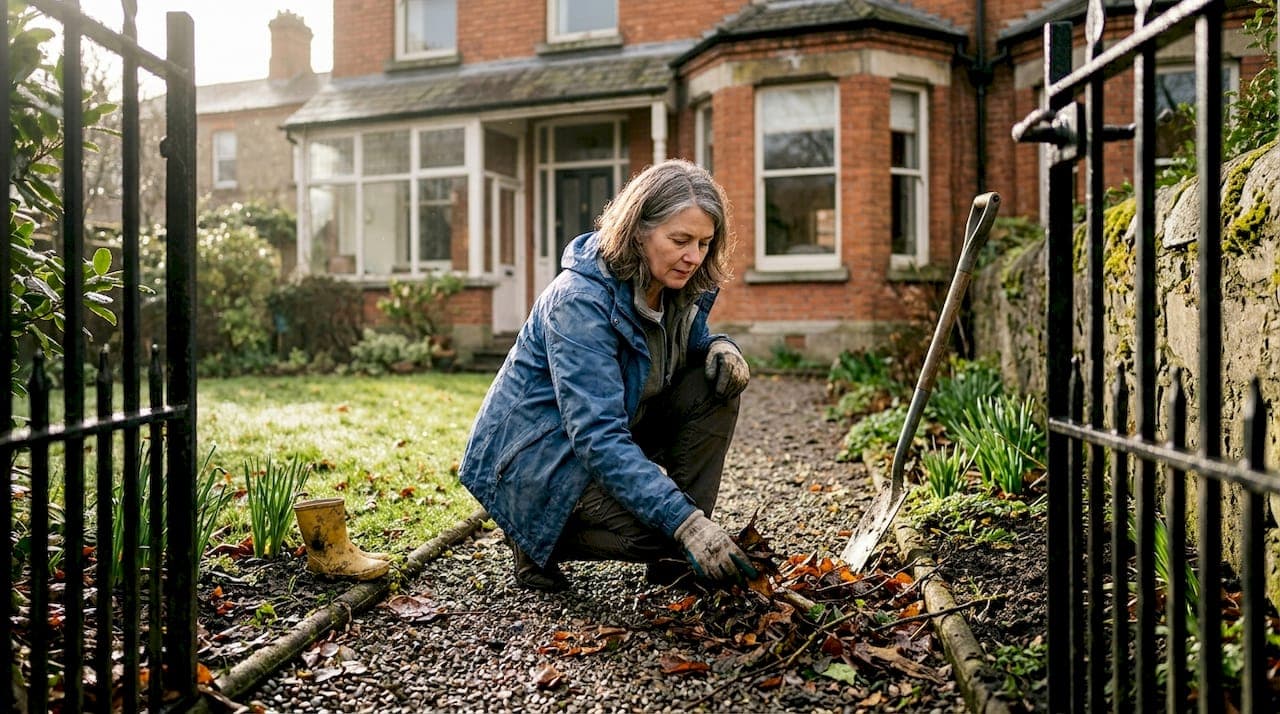
Start by clearing any debris that has built up over winter. Leaves, broken branches, and general garden waste block drains and create damp patches that encourage mould. Check your gutters too. Blocked gutters overflow onto walls and foundations, which causes long-term damp problems.
Once drainage is sorted, turn your attention to the soil. Compacted, waterlogged soil from a wet winter needs aerating before you plant anything. Fork over beds, remove weeds, and add compost to improve structure. This gives new growth the best possible start.
Do not overlook your outdoor structures. Fencing, patios, decking, and garden walls all take a battering over winter. Check for loose panels, cracked pointing, and any signs of rot or rust. Catching these early means a quick repair rather than a full replacement. A well-maintained exterior does more than look good. It actively boosts value and curb appeal for your property.
Here is a simple spring checklist to work through:
- Clear leaves, debris, and dead plant material from beds and lawns
- Check and clear gutters and downpipes
- Aerate compacted lawn areas
- Inspect fencing, gates, and garden walls for damage
- Prepare soil beds with compost and remove winter weeds
- Check patios and paths for frost damage or loose slabs
- Service garden tools before the busy season begins
For more detail on protecting your home's exterior, the exterior maintenance tips on our blog are worth reading through.
Pro Tip: Apply a seaweed-based biostimulant to your lawn and beds in early spring. Seaweed products support root development and improve stress tolerance, which is particularly useful after a wet Irish winter. They are widely available and straightforward to apply.
Summer strategies: Lawn, garden and outdoor maintenance
Summer in Dublin is rarely straightforward. You might get two weeks of sunshine followed by a fortnight of rain. This unpredictability means your maintenance approach needs to be flexible, especially when it comes to watering and lawn care.
The biggest mistake homeowners make in summer is overwatering during warm spells. Deep but infrequent watering is far more effective than a light daily sprinkle. Deep watering encourages roots to grow downward, making plants more resilient when dry weather does arrive. Light watering keeps roots shallow and vulnerable.
Mulching is one of the most underused tools in a Dublin garden. A 5 to 7 centimetre layer of bark mulch around beds retains moisture, suppresses weeds, and regulates soil temperature. It reduces how often you need to water and keeps beds looking tidy throughout the season.
For lawns, avoid short mowing and fertilisation during dry spells. Cutting grass too short in warm weather stresses the turf and leaves it vulnerable to browning. Keep mower blades set higher in summer. A lawn cut to around 4 to 5 centimetres handles heat and dry periods much better than a closely cropped one.
For practical lawn care tips that apply across Dublin properties, our blog covers the essentials in detail.
| Task | Best approach | Frequency |
|---|---|---|
| Watering | Deep, at root level | Once or twice per week |
| Mowing | High cut, 4 to 5 cm | Weekly during growth |
| Mulching | 5 to 7 cm bark layer | Refresh once per season |
| Pest monitoring | Visual checks, no chemicals | Weekly |
Pests are worth watching in summer, but chemical treatments do more harm than good in most cases. Regular visual checks let you catch problems early. Remove affected leaves by hand where possible. Encouraging natural predators like ladybirds and ground beetles is a far better long-term strategy for outdoor space upkeep.
Pro Tip: If you have a larger garden or planted borders, consider drip irrigation. It delivers water directly to the root zone, cuts water use significantly, and removes the guesswork from watering schedules.
Autumn upkeep: Protecting structure and prepping for winter
Autumn is arguably the most important season for property maintenance in Dublin. What you do between September and November directly affects how well your property weathers the winter months. The key is to be systematic rather than reactive.
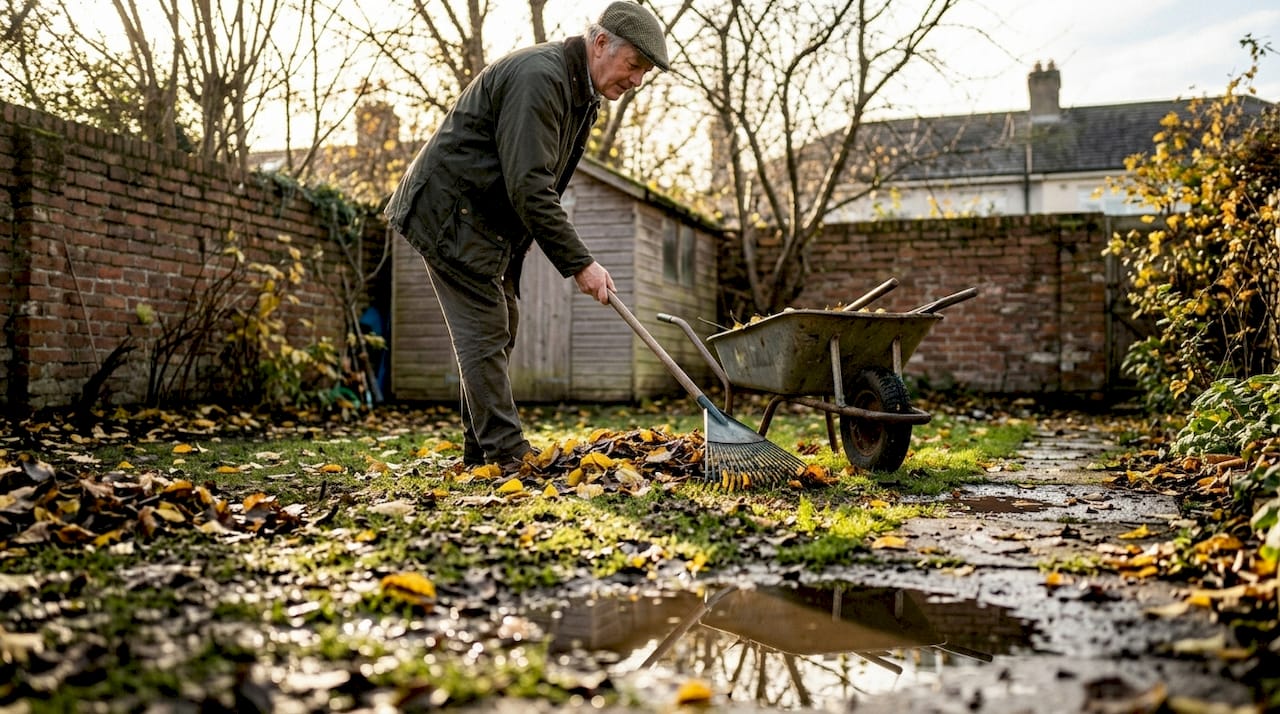
Leaf clearance is the obvious starting point. Fallen leaves left on lawns block light and trap moisture, which leads to moss, mould, and patchy grass. Debris clearance prevents mould and improves drainage, which is especially important given how much rainfall Dublin receives in the colder months. Rake or blow leaves regularly rather than waiting for a single big clear-up.
Once the garden is clear, shift focus to your property's structure. Gutters need clearing again after leaf fall. Roof tiles should be checked for damage before winter storms arrive. Exterior walls, window frames, and door seals are worth inspecting for gaps or cracks. Addressing these now is far cheaper than dealing with water ingress in January. This is exactly the kind of maintenance vs repairs decision that saves money over time.
For your garden beds, consider the long-term planting strategy:
"Plant densely with deep-rooted perennials and evergreens for year-round aesthetics and resilience."
This approach reduces bare soil in winter, which means less erosion and fewer weeds come spring. It also gives your garden visual interest throughout the year.
Here is a step-by-step autumn checklist:
- Clear fallen leaves from lawns, beds, and paths
- Clean and clear gutters and downpipes
- Inspect roof tiles and exterior walls for damage
- Check window and door seals for gaps
- Cut back perennials and tidy borders
- Plant spring bulbs before the first frost
- Store or cover outdoor furniture and equipment
- Check fencing and gates for winter readiness
Property managers overseeing multiple units should also review drainage across shared outdoor areas. Our landlord guide covers responsibilities and practical steps in more detail.
Winter priorities: Guarding against frost and water damage
Winter in Dublin rarely brings extreme cold, but frost, damp, and persistent rain create real risks for properties that are not properly prepared. The focus shifts from growth and aesthetics to protection and prevention.
Pipes are the first priority. Insulate any exposed external pipes before temperatures drop. A burst pipe causes significant damage and is entirely avoidable. Service your heating system in early winter too. A boiler that fails in January is both costly and disruptive.
Soil temperatures between 3 and 8 degrees Celsius significantly reduce plant growth, so winter is not the time to push your lawn or garden. Keep foot traffic on frozen grass to an absolute minimum. Walking on frosted turf crushes the grass cells and leaves visible damage that takes weeks to recover.
For exterior property maintenance through winter, drainage is the single most important factor. Blocked drains cause flooding, damp, and structural damage. Check and clear them regularly throughout the season.
| Winter task | Recommended approach | What to avoid |
|---|---|---|
| Frost protection | Grit sand on paths and patios | Salt, which damages stone and plants |
| Drainage | Regular checks and clearing | Ignoring slow-draining areas |
| Lawn care | Minimal traffic, no mowing | Fertilising or heavy foot traffic |
| Wildlife | Leave leaf piles in corners | Chemical treatments and slug pellets |
Here are the essential winter tasks to keep on top of:
- Insulate exposed external pipes
- Clear drains and gutters after storms
- Avoid salt on patios and driveways; use grit sand instead
- Keep foot traffic off frozen or waterlogged lawns
- Check fencing after strong winds
- Cover or store any garden equipment not in use
Avoiding chemicals and slug pellets through winter protects local wildlife and keeps your garden ecosystem healthy. This matters more than many homeowners realise, particularly for the beneficial insects that support healthy growth come spring. Consistent winter care also has a direct impact on maintenance and property value over the long term.
What most Dublin maintenance guides miss
Most seasonal maintenance guides are written for a generic UK or European climate. They do not account for Dublin's specific conditions: the persistent dampness, the mild but unpredictable winters, and the way the city's coastal and inland areas can behave quite differently.
The biggest mistake we see is homeowners following reactive routines. They fix things when they break rather than maintaining them consistently. Regular light maintenance is almost always cheaper and more effective than waiting for a problem to become urgent. A blocked drain cleared in October costs very little. The water damage it causes if left until February costs a great deal more.
The other undervalued strategy is planting for resilience. Deep-rooted perennials and evergreens do not just look good. They stabilise soil, reduce maintenance workload, and make your garden far more self-sufficient across all four seasons. Pair that with wildlife-friendly practices and you create an outdoor space that genuinely looks after itself between visits.
For Dublin properties specifically, working with local services in Dublin makes a real difference. Local professionals understand the specific conditions your property faces and can offer advice that generic guides simply cannot.
Get professional help for seasonal property maintenance
Keeping on top of seasonal maintenance across all four seasons takes time, knowledge, and the right equipment. For many Dublin homeowners and property managers, professional support is the most practical and cost-effective option.

Sherry Property Care provides reliable, meticulous property and garden maintenance services across Dublin. From spring clean-ups and summer lawn care to autumn structural checks and winter drainage management, we handle every season with care. Our team understands Dublin's specific climate and tailors every job to your property's needs. Whether you manage a single home or multiple units, we offer free quotes and straightforward, friendly service. Get in touch today and let us take seasonal maintenance off your to-do list.
Frequently asked questions
What is the most important seasonal property maintenance task in Dublin?
Drainage checks and debris removal are the most critical tasks, particularly after wet winters, as they prevent water damage, mould, and structural issues.
Should I use salt to prevent frost on patios and driveways?
No. Use grit sand instead as salt damages stone surfaces, harms nearby plants, and is harmful to local wildlife.
How often should lawns be watered during Dublin's summer?
Water deeply but infrequently, ideally once or twice per week, using drip irrigation or mulching to retain moisture between sessions.
Is it necessary to fertilise lawns in winter?
No. Avoid fertilising in winter as it encourages weak, unhealthy growth and can damage the root structure of your turf during cold months.