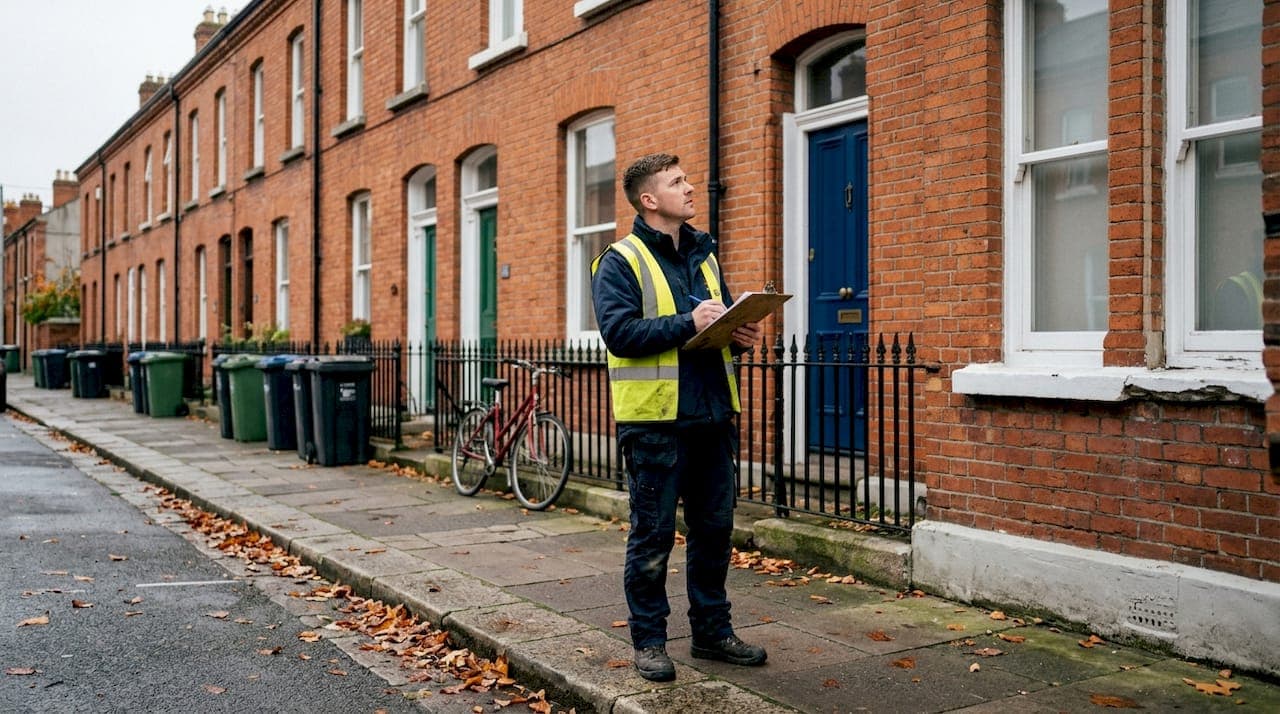
Emergency repairs can cost up to five times more than routine preventive care, yet most Dublin homeowners and property managers only act when something breaks. That reactive habit quietly chips away at property value, marketability, and legal compliance. Whether you own a single family home in Lucan or manage an apartment complex in Ranelagh, understanding how maintenance works, what it costs, and what the law requires can save you thousands. This guide walks you through everything you need to know to protect and grow your investment.
Table of Contents
- Why maintenance matters in real estate
- Preventive vs. reactive maintenance: What's best for Dublin properties?
- Legal requirements and Dublin maintenance standards
- Key maintenance tasks that boost curb appeal and marketability
- Maximizing ROI: Maintenance budgeting and tech solutions
- Get professional maintenance support for your Dublin property
- Frequently asked questions
Key Takeaways
| Point | Details |
|---|---|
| Preventive saves money | Routine care avoids costly emergency work and protects property value. |
| Legal compliance required | Annual inspections, specific standards, and tasks are key for Dublin property owners. |
| Boost curb appeal | Maintenance increases marketability and to attract buyers or renters. |
| Smart budgeting | Plan 1% of property value for maintenance; use tech for efficiency and additional savings. |
Why maintenance matters in real estate
Property maintenance covers every task that keeps a building safe, functional, and visually appealing. That includes structural repairs, plumbing and heating upkeep, exterior cleaning, landscaping, and everything in between. It is not just about fixing problems. It is about preventing them before they become expensive.
For Dublin property owners, the stakes are high. Buyers and tenants form opinions fast. A well-kept garden, clean driveway, and freshly painted exterior signal that a property is cared for. Neglect signals the opposite, and that perception directly affects what people are willing to pay or rent.
Here is what maintenance impacts most:
- Property value and sale price: Well-maintained homes sell faster and at higher prices.
- Tenant retention: Tenants stay longer in properties that are kept in good condition.
- Insurance premiums: Insurers may reduce coverage or raise premiums on poorly maintained properties.
- Legal compliance: Dublin landlords face strict standards that require ongoing upkeep.
- Safety: Faulty wiring, damp walls, and broken paths create real liability risks.
Budgeting is where many owners fall short. A reliable benchmark: 1% of property value per year, or roughly $0.90 to $1.30 per square foot, which typically works out to $1,000 to $3,000 per unit annually. Planning around that figure keeps you ahead of surprises.
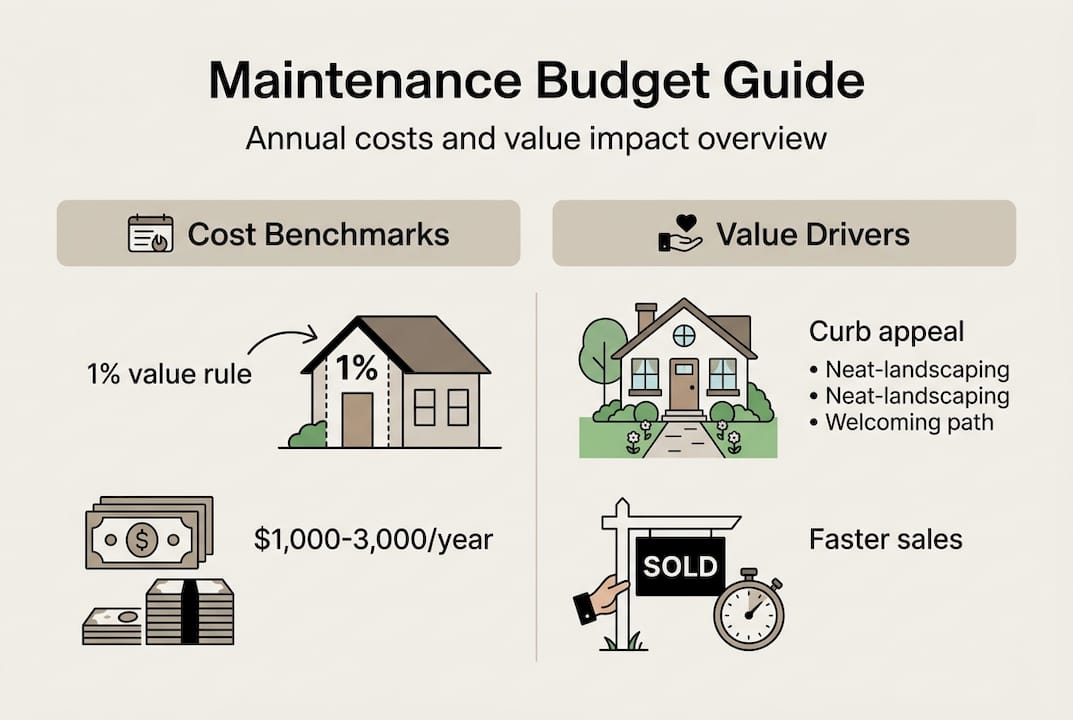
When you invest in consistent upkeep, you also boost value and curb appeal in ways that directly affect how quickly a property sells or rents.
Preventive vs. reactive maintenance: What's best for Dublin properties?
There are two main approaches to property maintenance. Preventive maintenance means scheduling regular checks and tasks before problems arise. Reactive maintenance means waiting until something fails and then fixing it.
The difference in cost is significant. Reactive repairs cost 4 to 5 times more than preventive work because of emergency call-out fees, after-hours labor, and the cascading damage that often follows a single failure. A burst pipe that could have been caught during a routine check can quickly turn into a flooring, plastering, and mold remediation job.
| Factor | Preventive maintenance | Reactive maintenance |
|---|---|---|
| Cost per incident | Low | High (4 to 5x more) |
| Scheduling | Planned and routine | Unplanned and urgent |
| Disruption to tenants | Minimal | High |
| Long-term property condition | Excellent | Declining over time |
| Compliance risk | Low | High |
"The optimal maintenance mix for most properties is roughly 80% preventive and 20% reactive. That ratio keeps costs predictable and properties in top condition."
Here is how to build a solid preventive maintenance routine:
- Audit your property to identify all systems and surfaces that need regular attention.
- Set a schedule for seasonal tasks like gutter cleaning, boiler servicing, and exterior washing.
- Log every task so you have a record for insurance and compliance purposes.
- Review annually and adjust based on the property's age and condition.
- Use software to automate reminders and track contractor visits.
A hybrid preventive and predictive approach using property management software can yield 25 to 40% savings compared to purely reactive management. That is a meaningful return for any Dublin landlord or manager.
Pro Tip: Pair your preventive schedule with effective maintenance scheduling tools to avoid gaps between seasonal tasks. Also review your exterior maintenance tips each spring to catch winter damage early.
Legal requirements and Dublin maintenance standards
Dublin landlords operate under clear legal obligations. Falling short of these standards can result in fines, failed inspections, and even loss of rental registration. Knowing what is required keeps you protected.
The Residential Tenancies Board outlines minimum rental property standards that all Dublin landlords must meet. These include structural integrity, adequate heating, fire safety equipment, and a Building Energy Rating of C3 or better. Electrical Installation Condition Reports (EICR) are required every five years.
Here is a summary of key legal requirements:
| Requirement | Frequency | Notes |
|---|---|---|
| Structural inspection | Annual | Covers walls, roof, windows, and doors |
| Heating system check | Annual | Boiler service and carbon monoxide testing |
| EICR (electrical report) | Every 5 years | Certified electrician required |
| BER certificate | On letting or sale | Must meet C3 or better |
| Fire safety check | Annual | Smoke alarms, CO detectors, escape routes |
Preventive maintenance tasks that directly support compliance include:
- Cleaning gutters and downpipes to prevent damp and mold buildup
- Servicing boilers and checking radiators before winter
- Inspecting roofs and flashings after storms
- Testing smoke and carbon monoxide alarms regularly
- Checking windows and doors for drafts and water ingress
For outdoor spaces, a solid groundskeeping guide helps you stay on top of the exterior tasks that affect both compliance and first impressions. A clear garden maintenance workflow also makes it easier to keep shared outdoor areas in good shape year-round.
Key maintenance tasks that boost curb appeal and marketability
Compliance keeps you legal. Curb appeal keeps your property competitive. These are the tasks that make the biggest visible difference for Dublin properties.
Top maintenance tasks for curb appeal and marketability:
- Lawn mowing and edging: A tidy lawn is the first thing buyers and tenants notice.
- Hedge trimming: Overgrown hedges make a property look neglected fast.
- Power washing: Driveways, paths, and patios look dramatically better after a clean.
- Exterior painting: Faded or peeling paint reduces perceived value immediately.
- Planting and seasonal color: Simple flower beds and shrubs add warmth and character.
- Gutter cleaning: Visible overflow stains on walls are a red flag for buyers.
- Fence and gate repairs: Broken fencing signals poor upkeep across the whole property.
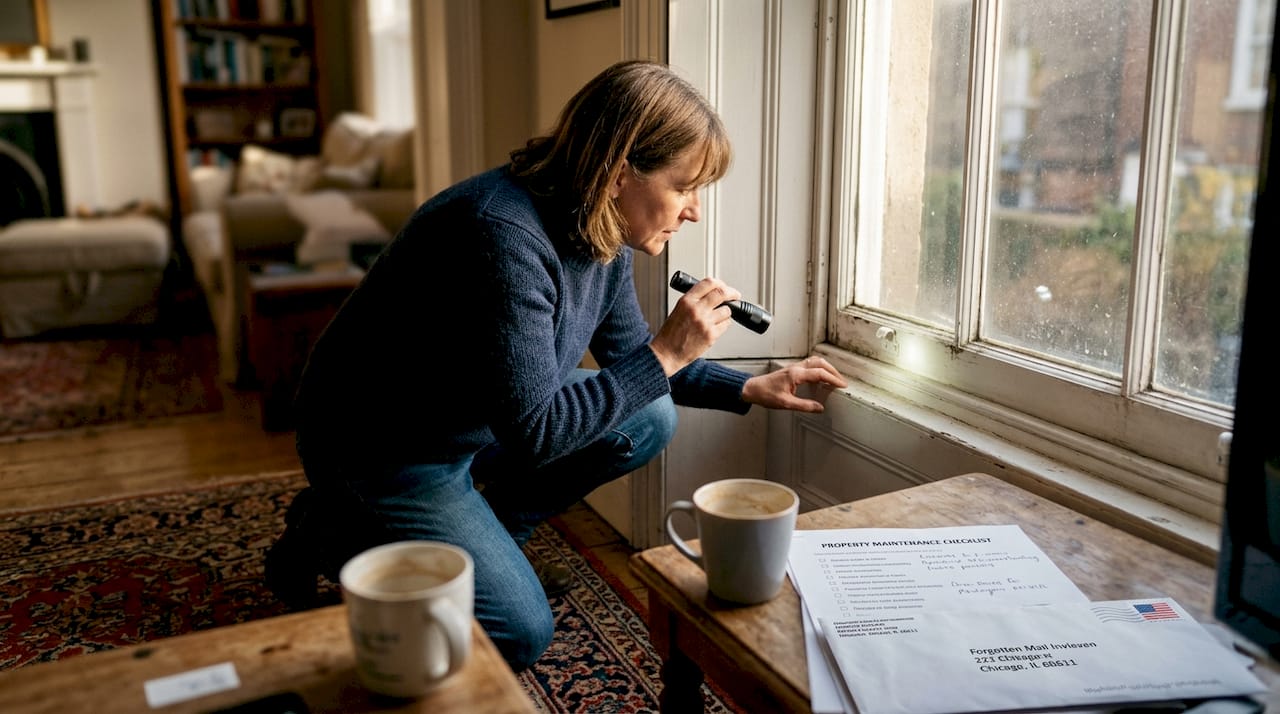
For older Dublin homes, the priorities shift slightly. Older properties in humid climates need more vigilant mold checks, roof inspections, and damp-proofing reviews. High-turnover rentals also carry higher maintenance costs, so budget extra reserves if your property sees frequent tenant changes.
For expert landscaping tips that go beyond basic mowing, focus on structure first. Defined borders, clean edges, and healthy shrubs create a polished look without requiring constant attention. And for grass-specific advice, [lawn care tips](https://www.blog.sherrypropertycare.ie/blog/lawn-care-guide-lucan-healthier greener yard) tailored to the Irish climate can help you maintain a greener, healthier yard through wet winters and dry summers.
Pro Tip: Build a seasonal checklist with four sections: spring prep, summer upkeep, autumn clearance, and winter protection. Assign each task a responsible party and a deadline. This simple system prevents tasks from falling through the cracks and keeps your property looking sharp all year.
Maximizing ROI: Maintenance budgeting and tech solutions
Good maintenance is not just about keeping things working. It is about spending wisely so your property grows in value over time. That requires a clear budget and the right tools.
Here is a practical budgeting framework for Dublin property owners:
- Start with the 1% rule: Set aside 1% of your property's current value each year as a baseline maintenance fund.
- Adjust for age: Properties over 20 years old often need 1.5% to 2% annually due to aging systems.
- Factor in turnover: High-turnover rentals need an additional buffer of 10 to 15% on top of your base budget.
- Separate emergency reserves: Keep a dedicated fund for unexpected repairs, separate from your planned maintenance budget.
- Review quarterly: Check your spending against your budget every three months and adjust before costs spiral.
Technology is changing how property managers handle maintenance. Property management platforms now offer automated scheduling, contractor tracking, digital logs, and cost reporting in one place. A hybrid preventive and predictive approach using this kind of software delivers 25 to 40% savings compared to manual, reactive management.
Savings from software-assisted maintenance can reach 40% when predictive alerts catch issues before they become repairs. That is not a small number on a Dublin property portfolio.
Common cost pitfalls to avoid:
- Skipping annual boiler services to save money (leads to full replacement costs)
- Ignoring minor roof damage until it causes interior water damage
- Delaying exterior painting until full timber replacement is needed
- Failing to document maintenance, which creates insurance and compliance gaps
Pro Tip: Use your upkeep scheduling advice platform to set recurring reminders for every task on your annual checklist. Even a basic calendar system beats trying to remember everything manually.
Get professional maintenance support for your Dublin property
Managing all of this on your own takes time, knowledge, and reliable contractors. That is where professional support makes a real difference.

At Sherry Property Care, we work with Dublin homeowners and property managers to handle the full range of outdoor and surface maintenance tasks. From lawn mowing and hedge trimming to power washing and seasonal garden care, we keep your property looking its best and meeting the standards that matter. Our services are customized to your property's needs, whether you manage a single home or a block of apartments. If you want to stay ahead of compliance, improve curb appeal, and protect your investment, explore our [curb appeal maintenance tips](https://www.blog.sherrypropertycare.ie/blog/home-exterior-maintenance-tips-boost curb appeal) or get in touch for a free quote. We make it straightforward.
Frequently asked questions
What is the most cost-effective maintenance strategy for Dublin properties?
Preventive maintenance is the most cost-effective approach, typically costing five times less than reactive repairs when you factor in emergency premiums and secondary damage.
How much should I budget annually for property maintenance?
Plan for 1% of your property's value per year, or $1,000 to $3,000 per unit, and increase that figure for older properties or high-turnover rentals.
Which maintenance tasks are required by law in Dublin?
Dublin landlords must meet minimum rental standards including annual inspections, heating and plumbing checks, a BER C3 or better rating, and regular gutter cleaning to prevent damp and mold.
What technologies can help reduce maintenance costs?
Property management software with predictive maintenance features can save up to 40% by automating scheduling, tracking contractor visits, and flagging issues before they become costly repairs.