TL;DR:
- Dublin's climate accelerates fence wear, requiring regular maintenance to prevent rot and damage.
- Seasonal routines including cleaning, inspections, and treatments help extend fence lifespan effectively.
- Early repair of minor issues is essential to avoid costly repairs caused by years of neglect.
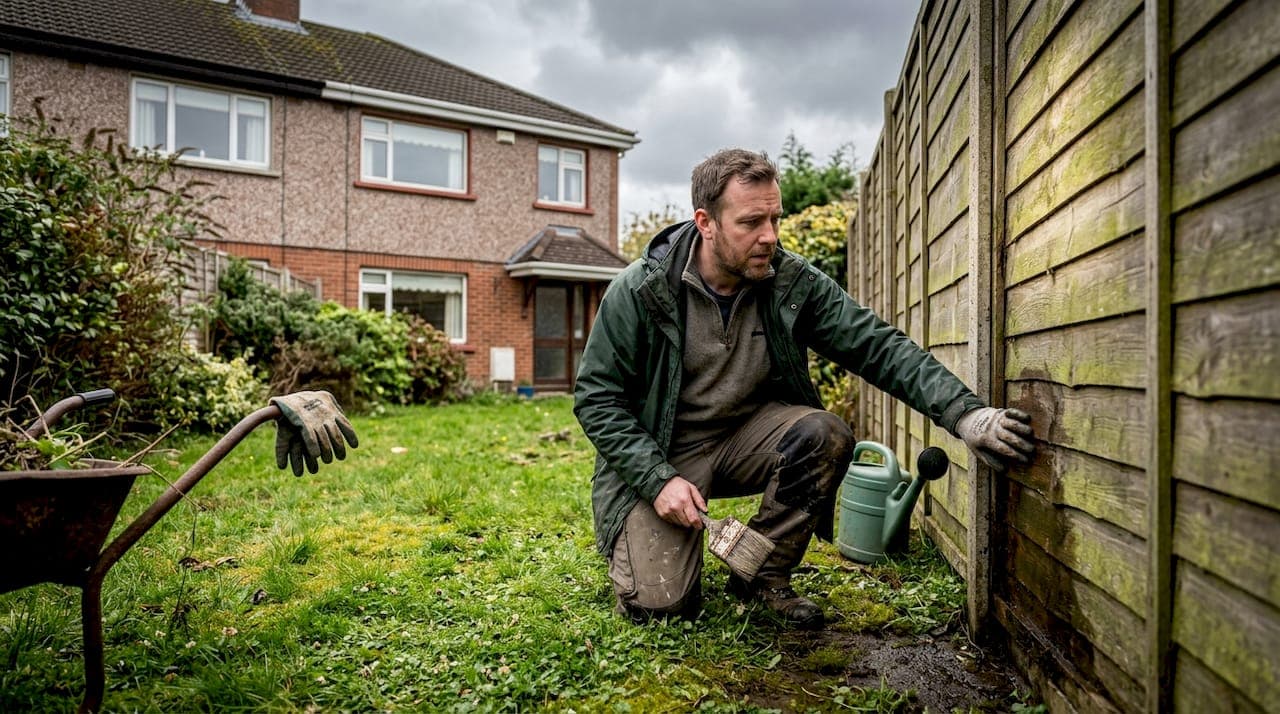
Dublin's wet, windy climate is tough on fences. Rain, wind, and persistent damp create the perfect conditions for moss, rot, and loose posts, and a neglected fence can age years in a single winter. For homeowners and property managers across Dublin, staying on top of fence maintenance is one of the most cost-effective ways to protect your property's value and kerb appeal. This guide covers everything you need: the right tools and preparation, a seasonal care routine, how to fix common problems, and how to confirm your fence is genuinely sound.
Table of Contents
- What you need before you start: tools and preparation
- Step-by-step routine: fence care for every season
- Tackling common Dublin fence problems
- Verification: how to check your fence is sound
- A smarter approach to long-term fence health
- Get expert fence maintenance support in Dublin
- Frequently asked questions
Key Takeaways
| Point | Details |
|---|---|
| Prepare the right tools | Start with quality materials and equipment tailored for your specific fence type. |
| Follow a seasonal routine | Regular checks and cleaning, timed by season, prevent common Dublin fence issues. |
| Prevent and spot problems early | Watch for moss, rot, and loose parts, addressing them before they become costly repairs. |
| Verify your work | Conclude with a thorough inspection to keep your fence sturdy all year. |
What you need before you start: tools and preparation
Good fence maintenance starts before you pick up a brush. Having the right tools for your specific fence type saves time and prevents damage. In Dublin, the three most common fence materials are wood, metal, and composite, and each needs a slightly different approach.
Here is what you will typically need:
- Stiff-bristled brush for scrubbing moss and algae from wood and composite surfaces
- Low-pressure hose or pressure washer set to a gentle setting for cleaning panels
- Mild soap or specialist fence cleaner safe for your material
- Sandpaper or sanding block for smoothing rough timber before treating
- Wood stain, sealant, or rust-inhibiting paint depending on your fence type
- Screwdriver, drill, and replacement fixings for tightening loose panels and posts
- Safety gloves and eye protection when using cleaning products or power tools
| Fence material | Key tools needed | Treatment product |
|---|---|---|
| Wood | Brush, low-pressure wash, sandpaper | Sealant or wood stain |
| Metal | Wire brush, rust remover | Rust-inhibiting paint |
| Composite | Soft brush, mild soap | No stain needed; rinse well |
Before you start, check the weather forecast. You need at least two dry days in a row to clean and treat timber properly. Clear the work area of plants, garden furniture, and debris so you have safe, easy access along the full fence line. Wood fences require annual cleaning with mild soap or a low-pressure wash to remove algae, moss, and dirt, followed by sealing or staining every two to three years.
For broader exterior maintenance tips that complement fence care, it helps to think about all outdoor surfaces together.
Pro Tip: White vinegar diluted in water is an effective, eco-friendly cleaner for moss and algae on timber fences. It is widely available in Dublin supermarkets and is safer for surrounding plants than many commercial products.
Step-by-step routine: fence care for every season
A consistent seasonal routine is the single best thing you can do for your fence. Dublin's climate means you cannot afford to leave maintenance until something breaks. Here is how to structure your year:
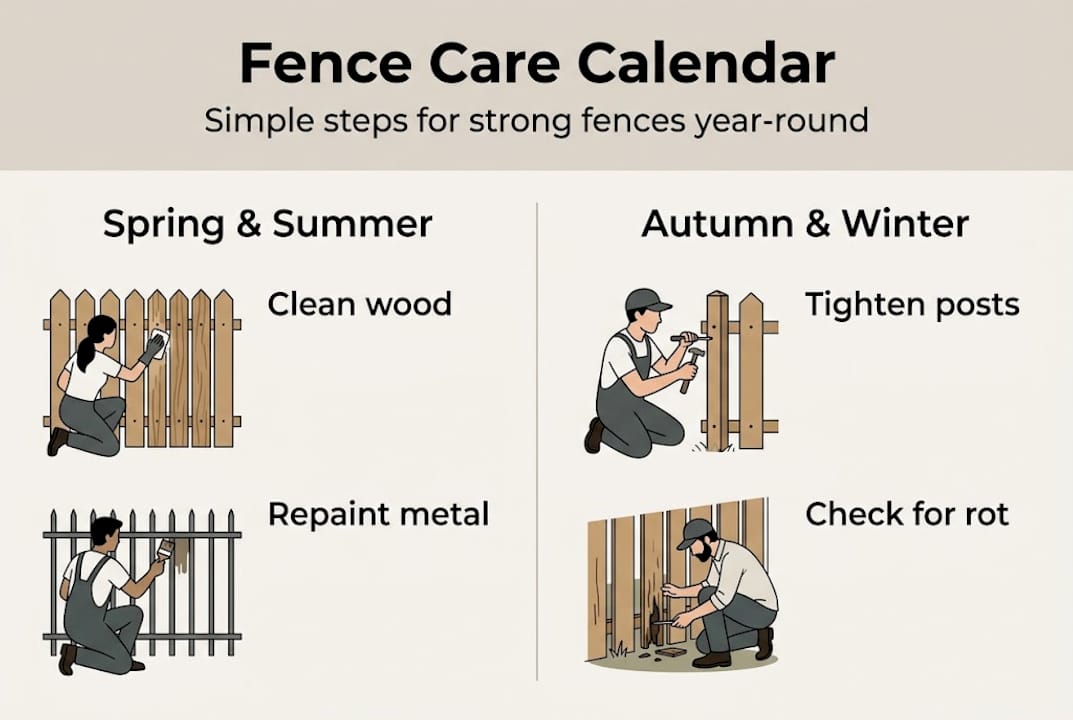
- Spring (March to May): Clean the entire fence with a brush and mild soap. Remove any moss or algae that built up over winter. Inspect posts for movement and tighten any loose fixings. Apply a fresh coat of sealant or stain to timber if it looks dry or faded.
- Summer (June to August): Clear back any vegetation growing against the fence. Ivy and climbing plants trap moisture and accelerate rot. Check metal sections for early rust spots and touch up paint as needed.
- Autumn (September to November): Tighten all screws and bolts before the stormy season arrives. Clear leaves and debris from the base of posts to improve drainage. Check that water is not pooling near any posts.
- Winter (December to February): After each significant storm, carry out a quick visual inspection. Look for leaning posts, cracked panels, and any fixings that have worked loose. Clear debris promptly.
Seasonal maintenance is key in Dublin's wet, windy climate: spring clean and treat, summer clear vegetation, autumn tighten and check drainage, winter post-storm inspections.
| Season | Wood | Metal | Composite |
|---|---|---|---|
| Spring | Clean, seal/stain | Check rust, repaint | Rinse, inspect fixings |
| Summer | Clear vegetation | Touch up paint | Clear plant growth |
| Autumn | Tighten fixings | Check drainage | Check for cracks |
| Winter | Post-storm check | Check for new rust | Post-storm check |
A structured garden maintenance workflow makes it easier to combine fence checks with other seasonal tasks. Consistent routines also protect outdoor upkeep Dublin property values over the long term.
Pro Tip: After an unusually severe storm, do not wait for your scheduled inspection. Walk the fence line the next morning and note any issues while they are easy to fix. A loose post caught early takes minutes to re-secure. Left for weeks, it can bring down a whole panel.
Tackling common Dublin fence problems
Even with a good routine, problems arise. Dublin's climate accelerates certain issues more than drier parts of the country. Knowing what to look for means you can act before small problems become expensive ones.
Common fence problems in Dublin:
- Moss and algae growth: Green or black patches on timber and composite surfaces. Left untreated, they hold moisture against the material and speed up decay.
- Wood rot: Soft, discoloured, or crumbling timber, usually starting at post bases or panel bottoms where water collects.
- Loose or leaning posts: Often caused by soil movement in wet ground or post bases that have rotted.
- Rust on metal sections: Orange staining and flaking paint on gates, railings, and metal post caps.
- Wind damage: Cracked or displaced panels after storms, particularly on exposed sides of the property.
- Poor drainage at the base: Pooling water around posts is one of the fastest ways to cause rot and structural failure.
Early intervention is always worth it. Fixing a small patch of rot or re-securing a single post costs a fraction of replacing an entire fence section. In Dublin's climate, problems that are ignored for one season can double in severity by the next.
Preventive schedules outperform reactive repairs, reducing costs significantly. In wet climates like Dublin, algae and moss removal is critical to avoid rot acceleration.
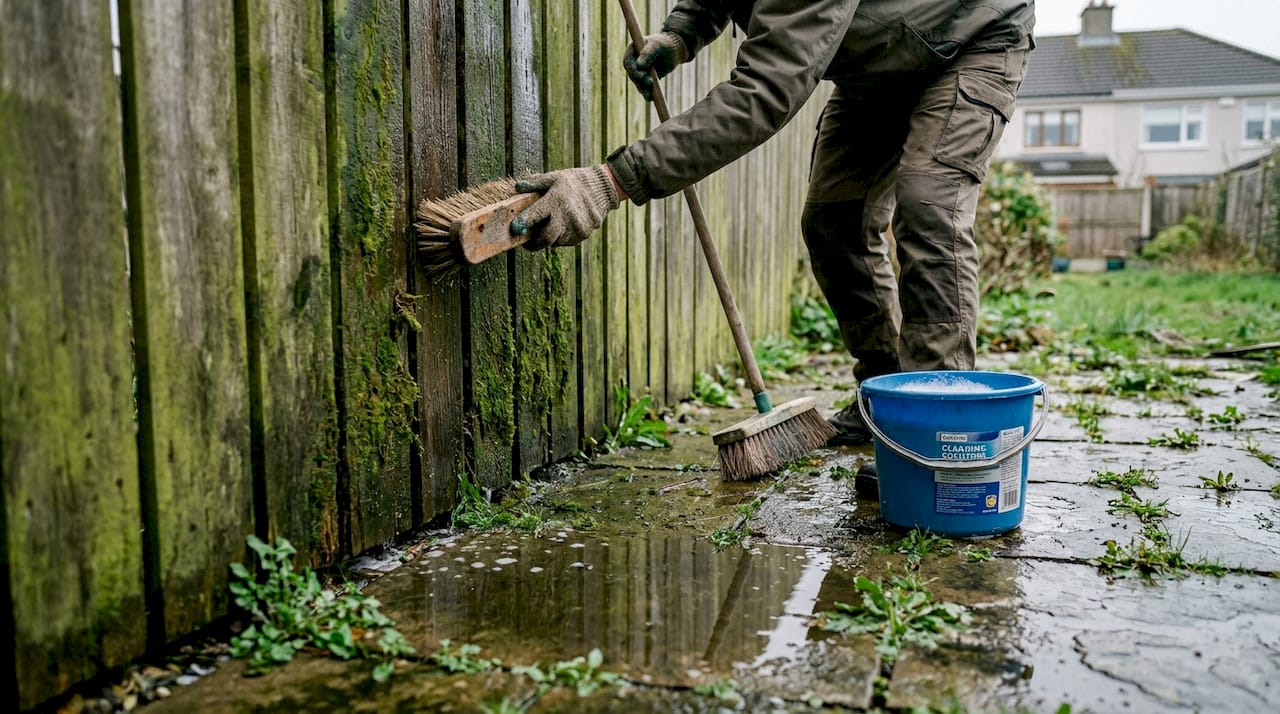
For moss and algae, scrub with a stiff brush and a diluted cleaning solution, then apply a moss-inhibiting treatment. For early rot, cut back the affected area, treat with a wood hardener, and seal thoroughly. Proper clearing garden waste from fence bases removes one of the main sources of persistent damp. For broader property maintenance tips, addressing drainage near fences is often overlooked but makes a real difference.
Verification: how to check your fence is sound
Once you have completed your maintenance, do not just pack up and walk away. A quick but thorough check confirms the work has been effective and flags anything that still needs attention.
- Push each post firmly from side to side. There should be no movement at all. Any wobble means the post base needs attention.
- Check panel fixings visually. Look for missing screws, split timber around fixing points, or panels that sit unevenly in their slots.
- Run your hand along treated timber. It should feel smooth and slightly waxy if sealed correctly. Dry, rough patches mean the treatment has not absorbed well and needs a second coat.
- Look at the base of every post. Soil should sit level and drain away from the post, not pool around it. If you see staining or soft ground, investigate further.
- Photograph any areas of concern. A quick photo with your phone gives you a reference point to compare at the next inspection.
Concrete posts are preferred over timber to resist rot in Dublin's wet climate. If you are replacing any posts, this is a worthwhile upgrade that significantly extends the life of the whole fence.
Keep a simple maintenance log. Note the date of each inspection, what you treated, and any issues found. This record helps you plan future work and is useful if you ever sell the property. Good records of property maintenance in Dublin can genuinely support a property's market value.
If posts are unstable, rot is widespread, or you are unsure whether a treatment has worked, that is the point to bring in a professional. Some repairs look straightforward but require experience to do properly.
A smarter approach to long-term fence health
Here is something most people do not consider: the majority of serious fence failures in Dublin are not caused by one bad storm. They are caused by years of small neglect. A missed annual clean, a loose post left for another season, a sealant coat skipped because the weather was not ideal. These small gaps accumulate, and by the time the damage is visible, the cost of fixing it has multiplied.
We see this pattern regularly. A homeowner calls because a fence section has collapsed, and when we look more closely, the rot has been developing for two or three years. The repair bill is always far higher than a consistent maintenance programme would have been.
The smarter approach is to treat fence care as a scheduled task, not a reaction to problems. Set reminders for your seasonal checks. Keep your tools and products ready. And when something looks slightly off, act on it immediately rather than waiting. A good groundskeeping guide can help you build fence care into a wider property maintenance routine that actually gets done.
Pro Tip: Pair your fence inspection with another regular task, such as mowing the lawn or clearing gutters. Linking it to something you already do consistently makes it far less likely to be skipped.
Get expert fence maintenance support in Dublin
Sometimes a fence needs more than a weekend's work. Whether it is widespread rot, structural post issues, or simply a fence that has been neglected for too long, professional support makes a real difference.

At Sherry Property Care, we work with homeowners and property managers across Dublin to keep fences, gardens, and outdoor surfaces in excellent condition. From seasonal maintenance visits to targeted repairs and surface treatments, we bring the tools, experience, and local knowledge to get the job done properly. If your fence needs attention or you want to set up a regular maintenance schedule, get in touch with our Dublin fence maintenance experts for a free quote. We are here to help.
Frequently asked questions
How often should I clean my wooden fence in Dublin?
Annual cleaning with mild soap or a low-pressure wash removes algae, moss, and dirt effectively. Check for moss or algae growth every few months, particularly after wet spells.
What's the best way to prevent rot in my garden fence?
Sealing every two to three years and choosing concrete posts over timber minimises rot risk significantly in Dublin's wet climate.
Do I need to treat my fence differently after storms?
Post-storm inspections are critical: check posts for movement, inspect panels for cracks, and clear any debris or pooling water from the base of posts immediately.
When should I call a professional for fence repairs?
If posts are unstable, panels are cracked, or you are unsure whether a treatment has worked correctly, contact a local fence professional rather than leaving the issue unresolved.