
TL;DR:
- Proper end of tenancy maintenance involves both tenants and landlords ensuring the property is returned in condition that reflects fair wear and tear. Clear documentation, timely communication, and accurate assessments of damage versus deterioration are essential to prevent disputes and secure deposit refunds. Conducting pre-departure inspections and maintaining detailed records greatly reduce conflict risks and promote smooth property handovers.
End of tenancy maintenance is the process by which tenants and landlords confirm a rental property is returned in an agreed condition, meeting the cleanliness and repair standards established at the tenancy's start. In Dublin's active rental market, understanding what is end of tenancy maintenance is not optional. It directly affects deposit returns, legal compliance, and the relationship between both parties at the close of a tenancy. The Landlord and Tenant Act 1985 and recognised industry standards from bodies such as the Residential Tenancies Board set the framework that governs these obligations. Getting this process right protects both sides from costly disputes.
What is end of tenancy maintenance and who does it apply to?
End of tenancy maintenance, also referred to as end of lease maintenance, covers all the repair, cleaning, and condition obligations that must be met before a tenancy formally closes. It applies equally to tenants and landlords, though each party carries distinct duties. The term is sometimes used interchangeably with "end of tenancy repair," but the broader concept includes cleaning standards, grounds upkeep, and documentation requirements, not just physical fixes. Property management best practice, as promoted by services like Sherrypropertycare in Dublin, treats the end of tenancy period as a structured handover process rather than a rushed final day.
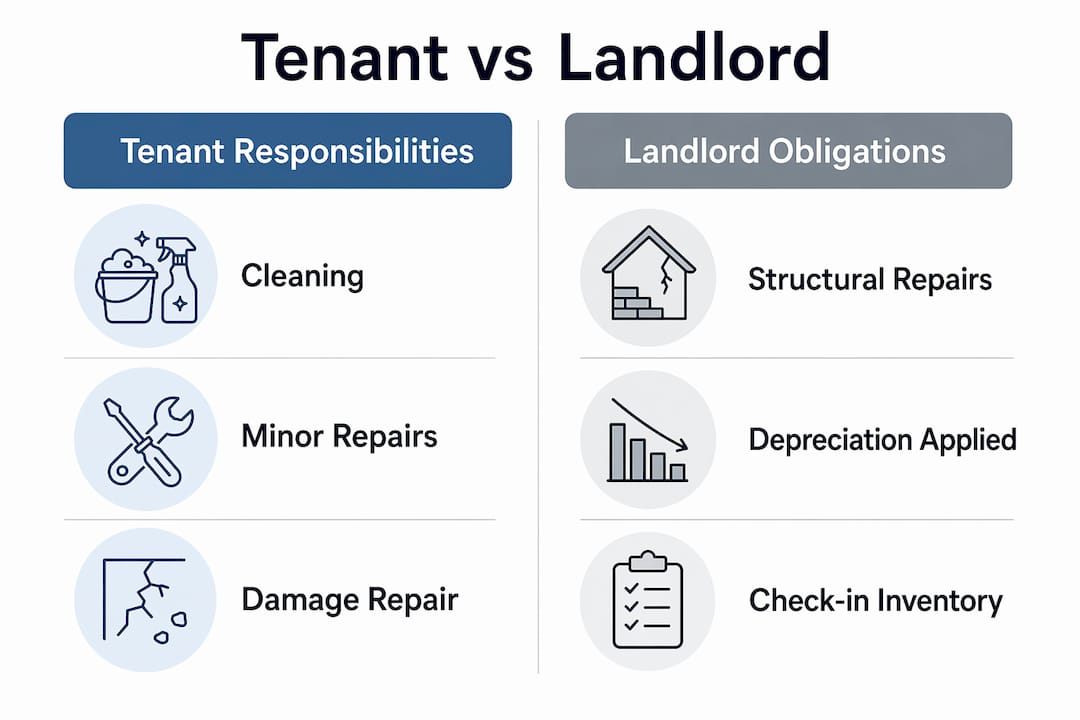
The core principle is straightforward. The property must be returned in a condition that reflects fair wear and tear but not neglect or damage. Tenancy deposit adjudicators apply this distinction strictly, and landlords without strong inventory evidence often lose deposit claims. That outcome is avoidable with the right preparation.
What are tenant responsibilities for end of tenancy maintenance in Dublin?
Tenants must return the property in at least the same cleanliness standard as when they moved in. Professional cleaning is not automatically required unless the tenancy agreement specifically states it. Clauses that demand professional cleaning regardless of the property's condition at check-in are generally unenforceable under Irish and UK tenancy law. Tenants should review their agreement carefully before booking any services.
Key tenant duties before vacating include:
- Cleaning all rooms, appliances, and fixtures to the standard documented at check-in
- Repairing minor damage caused during the tenancy, such as small holes in walls from picture hooks
- Removing all personal belongings and rubbish from the property and garden
- Taking final utility meter readings on the last day of the tenancy
- Returning all keys, fobs, and access cards to the landlord
Tenants are not liable for fair wear and tear. Normal paint fading, carpet flattening from regular use, and minor scuffs on skirting boards all fall within acceptable deterioration. Burns and stains, however, are classified as damage and can be charged against the deposit. Knowing this distinction prevents unnecessary cleaning costs and protects tenants from unfair deductions.
Pro Tip: Take a full set of dated photographs and a short video walkthrough on your final day. This evidence is your strongest defence if a deposit dispute arises later.
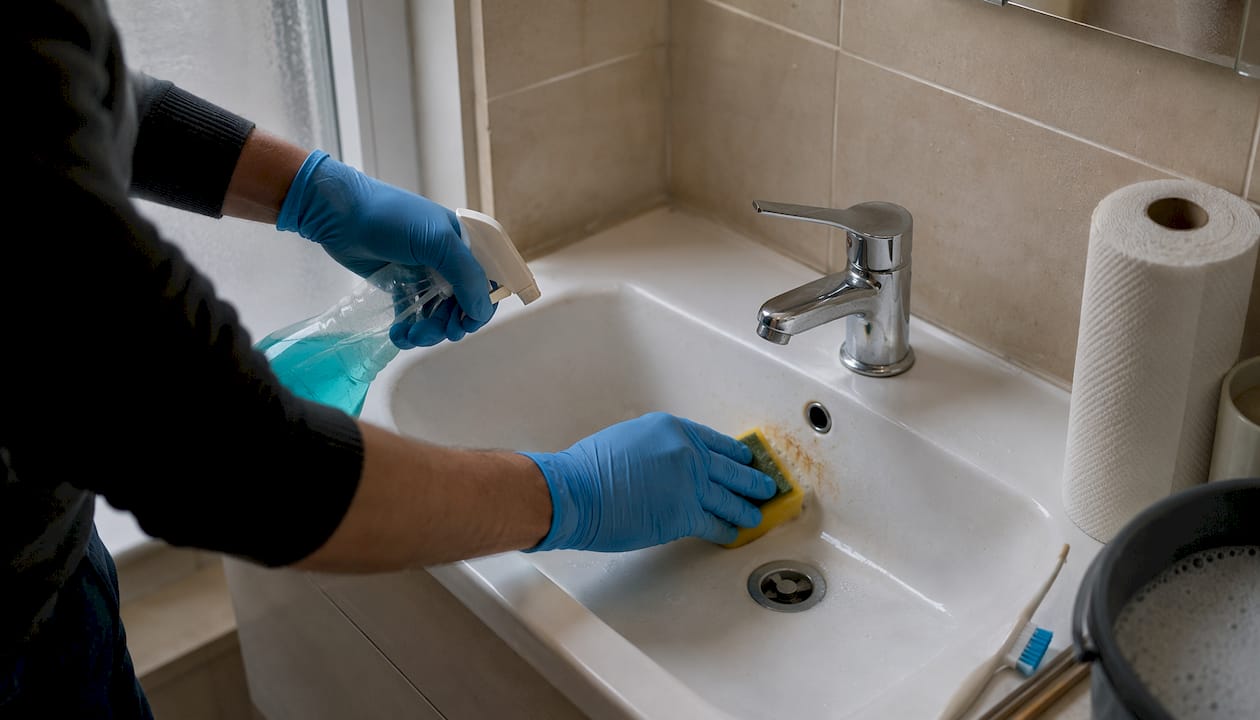
Tenants should also communicate with their landlord in writing before leaving. Confirming the move-out date, arranging key handover, and flagging any pre-existing issues in writing creates a clear record. Reviewing a detailed end of tenancy cleaning checklist before the final day helps avoid overlooked areas that commonly trigger deductions.
What are landlord obligations in end of tenancy maintenance?
Landlords carry significant legal duties that run until the tenancy formally ends. Under Section 11 of the Landlord and Tenant Act 1985, landlords must keep the structure, exterior, and essential installations of the property in good repair throughout the tenancy. This obligation cannot be deferred to the end of the lease. If a boiler breaks down in the final month, the landlord must still arrange repair within a reasonable time.
Landlord obligations at tenancy end include:
- Conducting a formal check-out inspection, ideally on the tenant's final day
- Comparing the property's condition against the original check-in inventory with dated photographs
- Communicating any proposed deposit deductions to the tenant within 10 working days of the tenancy ending
- Providing itemised written evidence for each deduction, including quotes or invoices
- Handling any disagreements transparently and in good faith
The check-in inventory is the landlord's primary defence in any deposit dispute. Without a signed, dated inventory supported by photographs, adjudicators typically resolve disputes in the tenant's favour. Landlords in Dublin who skip this step at the start of a tenancy create significant risk for themselves at the end. Detailed guidance on landlord maintenance responsibilities in Dublin covers these duties in full.
Landlords must also apply depreciation when calculating deductions. Charging the full replacement cost of a five-year-old carpet is not permitted. Only the remaining useful value of the item can be claimed. This principle is frequently misunderstood and is a common source of disputes that escalate unnecessarily.
How does a check-out inspection support end of tenancy maintenance processes?
The check-out inspection is the formal comparison of the property's condition at the end of the tenancy against its condition at the start. It is the single most important event in the end of lease maintenance process. Landlords should arrange this inspection on the tenant's final day wherever possible, with the tenant present. Tenant presence allows both parties to agree on findings immediately, reducing the likelihood of later disputes.
A well-run check-out inspection follows these steps:
- Confirm the check-in inventory is available for direct comparison
- Walk through each room systematically, noting condition against the inventory
- Photograph every area of concern with timestamps active
- Record utility meter readings at the time of inspection
- Note any items left behind or missing
- Both parties sign the check-out report where possible
The table below shows the most common inspection findings and how they are typically classified:
| Finding | Classification | Chargeable to tenant? |
|---|---|---|
| Faded paintwork from sunlight | Fair wear and tear | No |
| Burn mark on kitchen worktop | Damage | Yes |
| Carpet flattening in hallway | Fair wear and tear | No |
| Large stain on living room carpet | Damage | Yes |
| Minor scuffs on skirting boards | Fair wear and tear | No |
| Broken window latch | Damage | Yes |
Pro Tip: Request a pre-departure inspection 1–2 weeks before your move-out date. This gives you time to fix issues before the formal check-out, significantly increasing your chances of a full deposit return.
Guidance on conducting property inspections in Dublin provides landlords with a step-by-step framework for documenting findings accurately.
What are common disputes and how can communication reduce conflicts?
Most end-of-tenancy disputes arise because the landlord and tenant are no longer in a continuing relationship. Without the goodwill of an ongoing tenancy, small disagreements escalate quickly. The most frequent flashpoints are cleaning standards, the classification of damage versus fair wear and tear, and the amount proposed for deposit deductions.
Common sources of conflict include:
- Disagreement over what constitutes professional cleaning standards
- Landlords charging full replacement cost rather than depreciated value
- Tenants disputing deductions without photographic evidence to support their case
- Delays in communicating proposed deductions beyond the 10-working-day window
- Missing or unsigned check-in inventories that leave both parties without a baseline
Deposit disputes settle most easily when landlords raise proposed deductions in writing within 10 working days of the tenancy ending. Early, written communication gives both parties a clear starting point for negotiation and avoids the cost and delay of formal adjudication. Tenants who respond promptly with their own evidence, including dated photographs, resolve disputes faster and more favourably.
Tenants have the right to dispute check-out reports if they hold supporting evidence. Tenancy deposit schemes in Ireland and the UK provide free adjudication services. Adjudicators apply the depreciation and betterment principles strictly. A landlord who claims the full cost of replacing a six-year-old sofa because of a small tear will not succeed. Understanding depreciation in deposit deductions before raising a claim saves time and preserves the landlord's credibility. Detailed guidance on tenant maintenance responsibilities helps both parties understand where liability sits.
Key takeaways
End of tenancy maintenance requires clear documentation, timely communication, and a shared understanding of fair wear and tear to protect both tenants and landlords in Dublin.
| Point | Details |
|---|---|
| Documentation is everything | A signed, dated check-in inventory with photographs is the foundation of every fair deposit outcome. |
| Tenants are not always liable for cleaning costs | Professional cleaning is only required if the tenancy agreement specifically and lawfully states it. |
| Landlords must apply depreciation | Deposit deductions must reflect the remaining value of damaged items, not full replacement cost. |
| Communicate within 10 working days | Landlords who propose deductions promptly reduce the risk of formal disputes and adjudication costs. |
| Pre-departure inspections reduce conflict | Inspections held 1–2 weeks before move-out give tenants time to address issues before the formal check-out. |
A Dublin property professional's view on getting tenancy endings right
The single biggest mistake I see in Dublin rental properties is treating the end of tenancy as an afterthought. Both landlords and tenants spend months focused on the tenancy itself and then scramble in the final week. That scramble is where deposits are lost and disputes are born.
Pre-departure inspections are the most underused tool in this process. They are not legally required, but they change the dynamic entirely. When a tenant can see exactly what the landlord will flag before the formal check-out, they have the opportunity to fix it. Most tenants will. That means fewer deductions, fewer disputes, and a faster deposit return for everyone.
The other issue I see repeatedly is landlords overreaching on deductions. Charging full replacement cost for a worn item is not just unfair. It is the fastest way to end up in adjudication and lose. Applying depreciation correctly and presenting itemised evidence changes the outcome. Adjudicators respond to evidence, not assertions.
My advice to both parties in Dublin is simple. Document everything from day one. Communicate in writing throughout. And treat the end of tenancy as a structured handover, not a confrontation. The landlords and tenants who do this consistently avoid the disputes that cost everyone time and money.
— gerard
How Sherrypropertycare supports end of tenancy property care in Dublin
Sherrypropertycare works with landlords and property managers across Dublin to keep rental properties in excellent condition throughout the tenancy lifecycle and at handover.

Whether you need grounds maintenance, garden tidying, or exterior upkeep before a check-out inspection, Sherrypropertycare delivers meticulous, reliable service tailored to your property. A well-presented exterior makes a strong impression at check-out and supports the overall condition report. Visit Sherrypropertycare to request a customised quote. Send a photo of your property and the team will get back to you promptly with a clear, no-obligation price.
FAQ
What does end of tenancy maintenance include?
End of tenancy maintenance covers cleaning, minor repairs, grounds upkeep, and the documentation required to confirm a property's condition at the close of a tenancy. Both tenants and landlords carry specific obligations within this process.
Who pays for end of tenancy repairs in Dublin?
Tenants pay for damage they caused during the tenancy. Landlords cover repairs that fall under their structural and installation obligations, as set out under Section 11 of the Landlord and Tenant Act 1985. Fair wear and tear is not chargeable to tenants.
Is professional cleaning required at the end of a tenancy?
Professional cleaning is only required if the tenancy agreement lawfully specifies it. Tenants must return the property to the same cleanliness standard as at the start of the tenancy, but this does not automatically mean professional services are needed.
How long does a landlord have to propose deposit deductions?
Landlords should communicate proposed deposit deductions within 10 working days of the tenancy ending. Early, written communication reduces the likelihood of formal disputes and speeds up resolution for both parties.
What happens if there is no check-in inventory?
Without a signed, dated check-in inventory supported by photographs, landlords have no baseline to compare against at check-out. Deposit adjudicators typically resolve disputes in the tenant's favour when the landlord cannot provide this evidence.