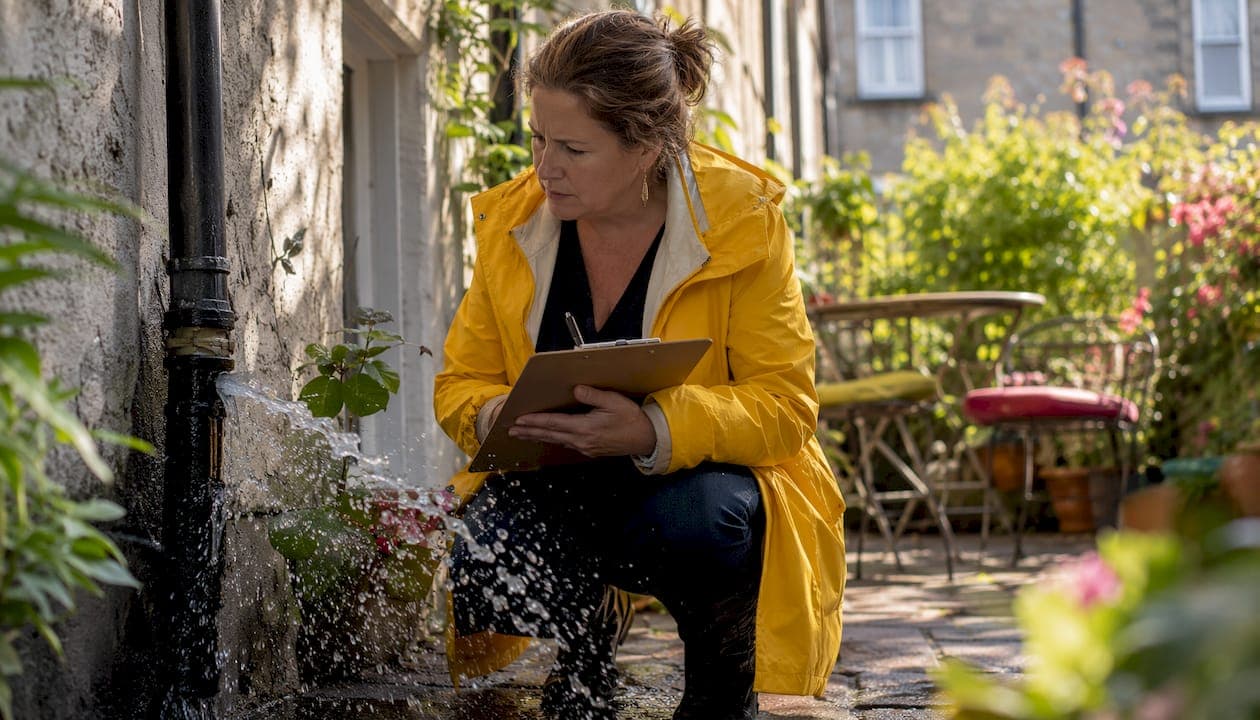
What counts as a maintenance emergency on your property?
A maintenance emergency is any fault that threatens health, safety, or security, or causes damage that worsens by the hour if left unaddressed. Dublin property owners face these situations more often than most expect, and knowing which issues qualify as genuine emergencies shapes how quickly you must act.
Common external emergencies include:
- Fallen trees or large branches blocking access or damaging structures
- Flooded gardens causing water ingress towards the building
- Broken irrigation systems creating waterlogging or subsidence risk
- Damaged boundary walls or fencing leaving the property unsecured
- Collapsed pathways posing a falls risk
Common internal emergencies include:
- Burst pipes or major water leaks
- Total loss of heating or hot water in cold weather
- Suspected gas leaks or carbon monoxide alarms triggering
- Electrical faults posing shock or fire risk
- Broken external doors or ground-floor windows leaving the home insecure
Under the Landlord and Tenant Act 1985, landlords must keep the structure, exterior, and key installations including water, gas, and electricity in safe working order. Awaab's Law now extends to private landlords from 1 May 2026, requiring a response to high-hazard issues within 24 hours, investigation within 14 days, and commencement of works within 42 days.
When a report comes in, three triage questions help you prioritise your response: Is anyone at immediate risk? Is active damage happening right now? Does vulnerability, season, or property condition escalate the severity? A winter heating failure affecting an elderly tenant answers yes to all three and demands same-day action.

In a genuine emergency, landlords may enter without the standard 24-hour written notice, provided they attempt tenant contact first and document the reason. Keep a dated log of every call, message, and visit. That record protects you legally and supports any insurance claim that follows.
For Dublin properties, useful emergency contacts include Gas Networks Ireland (1800 20 50 50), ESB Networks for electrical faults (1800 372 999), and your local Dublin City Council environmental health team for hazards affecting habitability.
Post-emergency, photograph all damage before repairs begin, retain contractor invoices, and schedule a follow-up inspection to confirm the fault will not recur. Good maintenance records are your strongest defence in any dispute. Proactive inspections catch deteriorating gutters, cracked pathways, and overhanging branches before they become crises.
Table of Contents
Sherrypropertycare keeps your Dublin grounds safe year-round
When an exterior emergency hits, you need someone who knows Dublin properties and can respond without delay.

Sherrypropertycare specialises in gardening and grounds maintenance for residential and commercial properties across Dublin. Gerard and the team handle urgent exterior scenarios including fallen trees, flooded gardens, damaged pathways, and overgrown vegetation that creates safety hazards. The service is built around tailored quotes and direct communication, so you get a clear plan fast rather than waiting days for a callback.
Regular grounds maintenance from Sherrypropertycare also reduces the frequency of emergencies in the first place. Well-maintained drainage, trimmed trees, and clear pathways are far less likely to cause the kind of exterior crisis that lands you with a legal obligation and an urgent repair bill. Get a quote today and keep your Dublin property safe.
FAQ
What qualifies as a maintenance emergency?
Any fault posing an immediate risk to health, safety, or security, or causing damage that worsens rapidly, qualifies. Examples include burst pipes, gas leaks, loss of heating in winter, and broken external doors.
How quickly must a Dublin landlord respond to an emergency?
Awaab's Law requires landlords to respond to high-hazard emergencies within 24 hours, investigate within 14 days, and commence works within 42 days to avoid legal penalties.
Do exterior grounds issues count as emergencies?
Yes. Fallen trees blocking access, flooded gardens causing water ingress, and unsecured boundary walls all qualify as urgent maintenance issues requiring prompt attention.
How should landlords document a maintenance emergency?
Photograph damage before repairs, log all tenant communications with dates and times, and retain contractor invoices. Sherrypropertycare recommends scheduling a follow-up inspection after every exterior emergency.
Key takeaways
Maintenance emergencies require same-day action when they threaten health, security, or cause escalating damage, and Dublin landlords face clear legal obligations under the Landlord and Tenant Act 1985 and Awaab's Law.
| Point | Details |
|---|---|
| Legal response window | Awaab's Law requires landlords to respond within 24 hours, investigate within 14 days, and commence works within 42 days for high-hazard emergencies for private landlords from 1 May 2026. |
| Triage first | Ask whether anyone is at risk, whether damage is active, and whether vulnerability or season escalates the issue. |
| Document everything | Photograph damage, log all communications, and keep contractor invoices for insurance and legal purposes. |
| Proactive inspections | Regular checks catch deteriorating gutters, cracked paths, and overhanging branches before they become emergencies. |
| Sherrypropertycare | Provides tailored exterior grounds maintenance across Dublin, reducing emergency risk and responding when crises occur. |