TL;DR:
- Regular maintenance includes monthly safety checks, biannual lubrication, and annual system inspections to prolong your garage door's lifespan. Using the correct lubricant and consulting professionals for spring adjustments ensures safety and prevents costly repairs. Consistent care, especially in Dublin's climate, protects your property and maintains your garage door's proper operation.
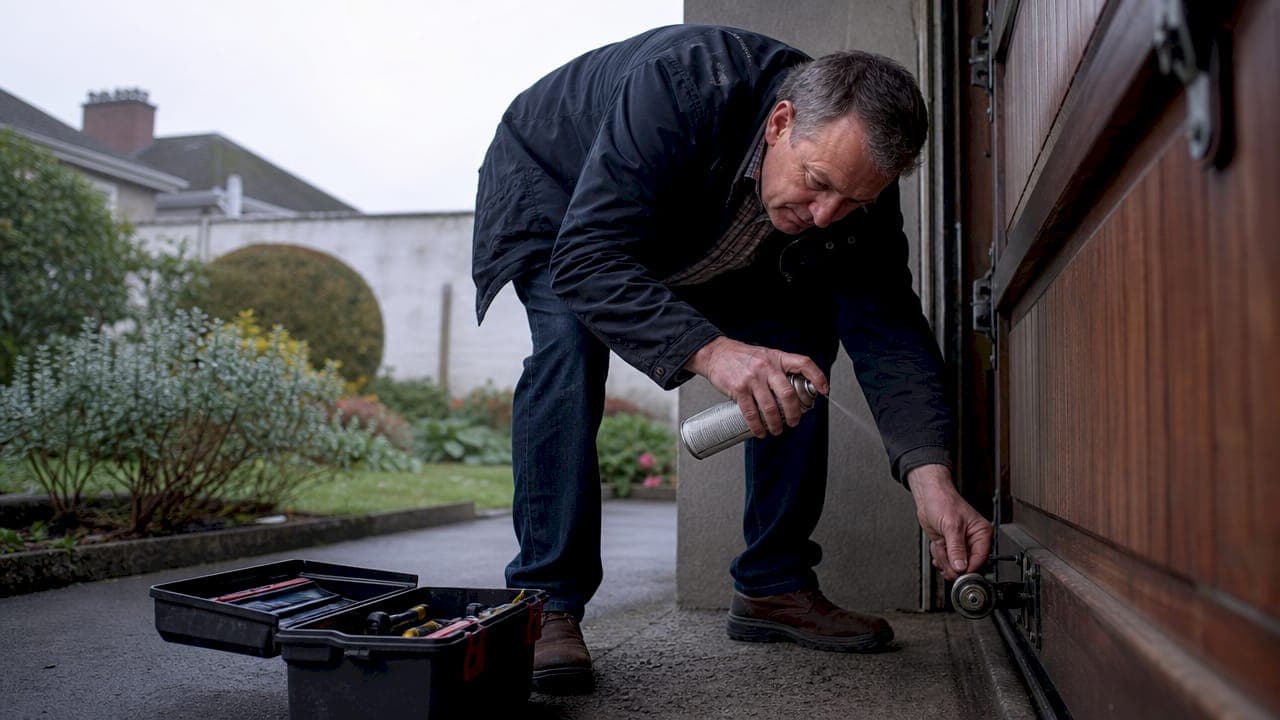
Garage door maintenance steps are the routine inspections, cleaning, lubrication, and safety tests that keep your door operating safely and extend its working life. A residential garage door cycles over 1,000 times annually, making consistent upkeep a practical necessity rather than an optional extra. With the right approach, you can follow a clear preventive garage door maintenance routine that costs very little and takes under an hour each year. For Dublin homeowners, where moisture and variable temperatures accelerate wear, these steps carry extra weight.
What tools and materials do you need for garage door maintenance?
The right supplies make every maintenance session faster and safer. You do not need specialist equipment. Most items cost very little and are available at any hardware shop in Dublin.
Essential tools and materials:
- Socket set and adjustable spanner (for tightening loose hardware)
- Silicone spray or white lithium grease (the only recommended lubricants)
- Clean cloths and a bucket of warm soapy water
- Step ladder (for reaching hinges and springs safely)
- Vacuum cleaner or stiff brush (for clearing track debris)
- Safety gloves and eye protection
The lubricant you choose matters more than most homeowners realise. Silicone spray and white lithium grease are the correct choices for all moving metal parts. They stay clean, resist moisture, and do not attract dust.
Pro Tip: Never use WD-40 on garage door components. It is a solvent, not a lubricant. WD-40 strips existing grease and leaves behind a residue that attracts grit, causing accelerated wear on rollers and hinges.
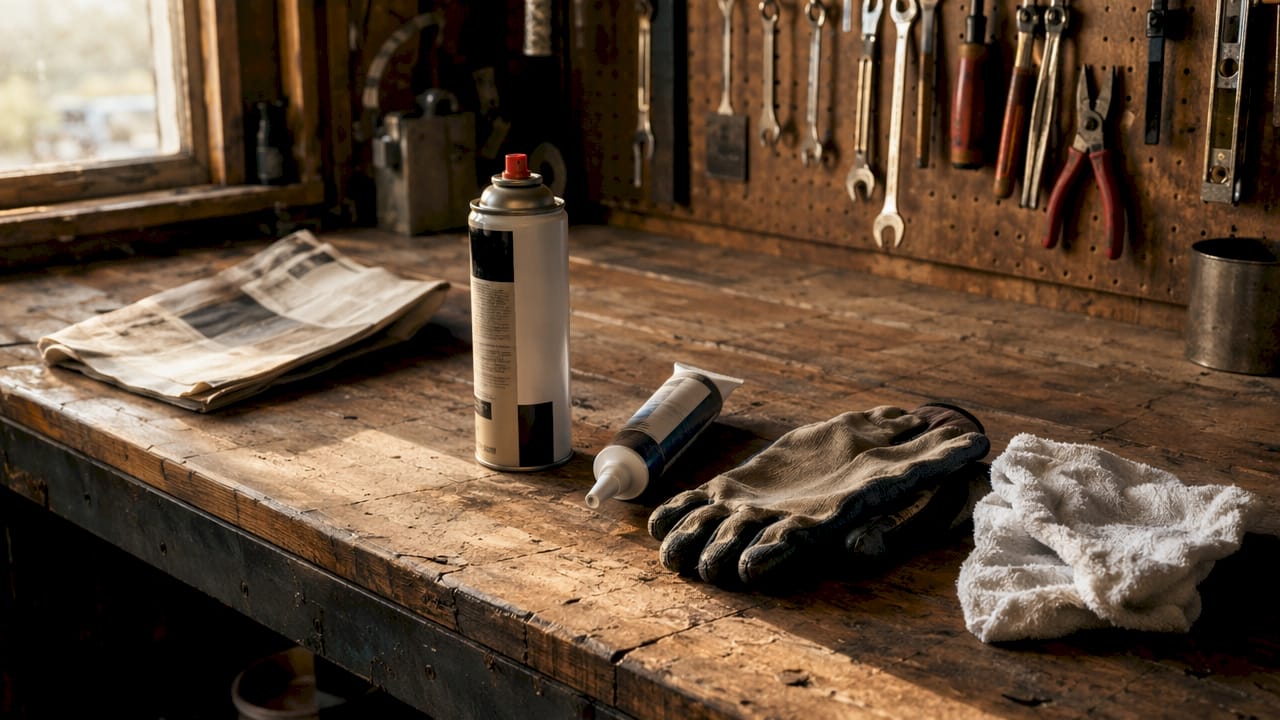
| Item | Purpose |
|---|---|
| Silicone spray | Lubricates hinges, rollers, and springs |
| White lithium grease | Heavier lubrication for torsion springs and opener drive |
| Clean cloth | Wipes down tracks and panels |
| Socket set | Tightens loose bolts and brackets |
| Step ladder | Safe access to upper hinges and spring area |
Good home exterior maintenance always starts with having the right tools ready before you begin.
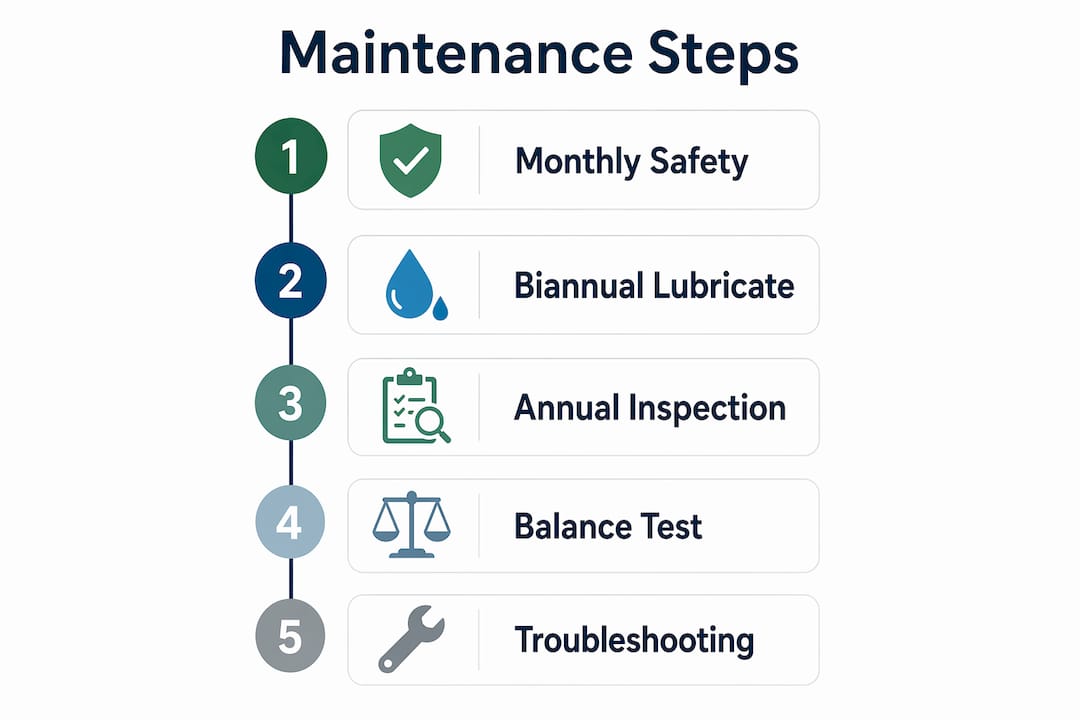
How to perform monthly garage door safety tests and inspections
Monthly checks take roughly five minutes and cover the safety features that protect your family. These tests align with UL 325, the safety standard mandated for residential garage door openers since 1993.
Follow these steps each month:
- Auto-reverse test. Place a 1.5-inch block of wood flat on the ground beneath the door. Press the close button. The door must reverse within two seconds of touching the block. If it does not, disable the opener immediately and call a professional before using the door again.
- Photo-eye sensor test. With the door closing, wave a broom handle through the sensor beam. The door must stop and reverse. If it continues closing, the sensors are misaligned or dirty. Wipe the lenses with a clean cloth and retest.
- Visual inspection. Stand inside and look at the springs, cables, rollers, and panels. Look for frayed cables, cracked rollers, or bent panels. Any visible damage warrants a professional assessment.
- Listen during operation. Run the door up and down twice. New grinding or squealing noises signal component wear. Jerky movement means the door is out of balance or the tracks need attention.
- Check the manual release. Pull the red emergency cord to confirm the door can be operated manually. Re-engage the opener afterwards.
Pro Tip: Do these five checks on the first Monday of each month. Tying the task to a fixed date means it never gets skipped.
If any test fails, stop using the automatic opener. A door that does not reverse correctly is a serious safety risk, particularly for children and pets.
How to lubricate and clean your garage door: twice-yearly maintenance
Twice-yearly lubrication, done in spring and autumn, prevents frozen components and keeps the mechanism running quietly. Experts recommend this schedule to reduce failures caused by seasonal temperature changes, which are a real factor in Dublin's climate.
Step-by-step cleaning and lubrication process:
- Disconnect the opener. Pull the manual release cord before you start. Never work on a moving door.
- Clean the tracks. Wipe the inside of both vertical and horizontal tracks with a damp cloth. Use a vacuum to remove loose debris. Do not apply any lubricant to the tracks. Lubricating tracks attracts debris and causes rollers to slip or jam.
- Lubricate the hinges. Apply silicone spray to each hinge pivot point. Open and close the door manually a few times to work the lubricant in.
- Lubricate the rollers. Spray the roller stems, not the wheels themselves. Steel rollers benefit from silicone spray. Nylon rollers need no lubrication on the wheel.
- Lubricate the torsion springs. Apply white lithium grease along the full length of the spring coils. This reduces metal-on-metal friction and extends spring life.
- Lubricate the opener drive. For chain drives, apply white lithium grease along the chain. For screw drives, use the same grease on the screw rod. Belt drives need no lubrication.
- Wipe down the panels. Wash the door panels with warm soapy water. Road salt, pollen, and moisture degrade paint and seals over time. Rinse and dry thoroughly.
- Inspect the weather seals. Check the rubber seal along the bottom and the side seals for cracks or gaps. Replace any section that no longer makes full contact with the ground or frame.
Pro Tip: A full lubrication session costs under £10 in materials and takes under 30 minutes. Skipping it regularly leads to spring replacements and opener repairs that cost many times more.
Common lubrication mistakes to avoid:
- Using WD-40 instead of silicone spray or white lithium grease
- Applying lubricant to the tracks rather than cleaning them
- Over-spraying hinges, which attracts dust and creates grime build-up
- Ignoring the opener drive chain or screw rod
How and why to perform annual balance and full system inspections
The annual inspection goes deeper than monthly checks. It assesses the structural and mechanical condition of the whole system. This is the point where you catch problems before they become expensive.
The balance test
The balance test is the single most useful DIY diagnostic you can perform. Disconnect the opener using the manual release cord. Lift the door by hand to about halfway and let go. A correctly balanced door stays in place. If it falls or rises on its own, the springs are out of adjustment. Spring adjustment requires professional service because torsion springs are under extreme tension and can cause serious injury if handled incorrectly.
Annual inspection checklist:
- Springs and cables. Look for rust, fraying, or visible gaps in the spring coils. Never attempt to adjust or replace springs yourself.
- Panels. Check for dents, cracks, or warping. Damaged panels affect insulation and can throw the door off its tracks.
- Rollers. Inspect for chips, cracks, or wobble. Steel rollers typically last 10,000–15,000 cycles. Replace worn rollers before they fail.
- Opener condition. Test the opener's force settings by holding the door as it closes. It should stop with moderate resistance. Check the opener light, remote batteries, and wall button.
- Weather seals. Inspect all four sides of the door frame. Gaps let in cold air, moisture, and pests.
Pro Tip: Book a professional tune-up once a year, ideally in early autumn before cold weather arrives. A technician can spot cable wear and spring fatigue that is difficult to assess by eye.
Residential garage doors last 15 to 30 years with consistent maintenance. Neglect, particularly in cold or damp conditions, shortens that lifespan considerably. Regular scheduled maintenance in Dublin protects that investment.
Common mistakes to avoid and troubleshooting tips for homeowners
Most garage door problems start small and become costly because homeowners either ignore early signs or attempt the wrong fix. The most important rule is knowing where DIY ends and professional work begins.
Mistakes that cause the most damage:
- Adjusting torsion springs without professional training. Springs store enough energy to cause severe injury.
- Using the wrong lubricant. WD-40 degrades existing grease and leaves an abrasive residue on metal parts.
- Lubricating the tracks. Clean tracks, never oil them.
- Ignoring new noises. Grinding, squealing, or rattling are early warnings, not background noise.
- Forcing a door that feels heavy or uneven. This strains the opener motor and can snap a cable.
Troubleshooting tips you can handle yourself:
- Door rattles during operation. Tighten all visible bolts and brackets with a socket set. Loose hardware is the most common cause of rattling.
- Door moves slowly or strains. Check the lubrication on hinges and rollers. A dry mechanism creates resistance.
- Sensors keep triggering. Wipe the photo-eye lenses with a clean cloth. Sunlight interference can also cause false triggers; shade the sensors temporarily to test.
- Remote range has dropped. Replace the remote battery first. If the problem persists, check for radio interference from new devices near the opener.
"The golden rule of garage door care is trusting your senses. Unusual sounds or movements forecast future failures. If something sounds or feels different, act on it promptly."
Knowing warning signs that need immediate repair prevents minor issues from becoming full replacements. If you are unsure, call a professional. The cost of a service visit is always less than a full repair.
Key takeaways
Consistent garage door upkeep, covering monthly safety tests, twice-yearly lubrication, and an annual balance check, is the most cost-effective way to protect your door's lifespan and your family's safety.
| Point | Details |
|---|---|
| Monthly safety tests | Perform the auto-reverse and photo-eye tests every month to meet UL 325 standards. |
| Use the right lubricant | Apply silicone spray or white lithium grease; never use WD-40 on any component. |
| Clean tracks, do not oil them | Wipe tracks with a cloth to remove debris; lubricant on tracks causes rollers to slip. |
| Annual balance test | Disconnect the opener and lift the door halfway; it must stay in place without support. |
| Leave springs to professionals | Torsion springs are under extreme tension and must only be adjusted by a trained technician. |
Dublin's climate makes routine care non-negotiable
I have seen the same pattern repeat itself with Dublin homeowners: the garage door gets ignored until it fails on a wet tuesday morning in november. By that point, what started as a dry hinge or a worn seal has become a broken spring or a seized opener. The repair bill is always a shock.
Dublin's moisture levels and temperature swings are genuinely hard on garage door components. Rubber seals crack faster here than in drier climates. Metal parts rust more quickly. I always recommend scheduling lubrication in march and september, specifically because those months sit just before the two most demanding seasons for any outdoor mechanism.
The insight I keep coming back to is this: homeowners should focus on monitoring, cleaning, lubricating, and testing rather than attempting mechanical repairs. That boundary is not about skill. It is about safety. Springs and cables under tension are genuinely dangerous, and no DIY guide changes that fact.
What actually works is building a simple habit. Five minutes once a month. Thirty minutes twice a year. One professional visit annually. That schedule, followed consistently, is what keeps a garage door running for 20 years instead of 10. The homeowners who skip it are the ones calling for emergency repairs in january.
— gerard
Sherrypropertycare: property care you can rely on in Dublin
Keeping your property in good condition takes consistent attention across every element, from the garden to the garage.

Sherrypropertycare is a trusted property maintenance provider serving Dublin homeowners and property managers. The team handles grounds maintenance, exterior upkeep, and general property care with a meticulous approach tailored to each property. If you want reliable support keeping your property in top condition year-round, get in touch with Sherrypropertycare for a personalised quote. Send a photo of your property and the team will come back to you with a clear, no-obligation price. Good property maintenance in Dublin protects your investment and keeps your kerb appeal strong through every season.
FAQ
How often should I lubricate my garage door?
Lubricate your garage door twice a year, in spring and autumn. Apply silicone spray or white lithium grease to hinges, rollers, and springs, but never to the tracks.
What is the auto-reverse test and why does it matter?
The auto-reverse test places a 1.5-inch block under the closing door to confirm it reverses within two seconds. This safety check is required under UL 325 and protects against injury or entrapment.
Can I adjust my garage door springs myself?
No. Torsion springs are under extreme tension and must only be adjusted by a trained professional. Attempting DIY spring adjustment carries a serious risk of injury.
How do I know if my garage door is out of balance?
Disconnect the opener and lift the door manually to halfway. If it drops or rises on its own, the springs need professional adjustment. A balanced door stays in place without support.
What are the early warning signs of garage door problems?
New grinding, squealing, or rattling noises and jerky door movement are the clearest early signs. Act on these promptly to prevent minor wear from becoming a costly repair.