TL;DR:
- Joining local gardening WhatsApp groups provides immediate access to expert advice tailored to specific climates and gardening styles. These communities foster both practical plant care tips and in-person events that strengthen local connections and skills. Combining group knowledge with professional services ensures a well-maintained, vibrant garden environment.
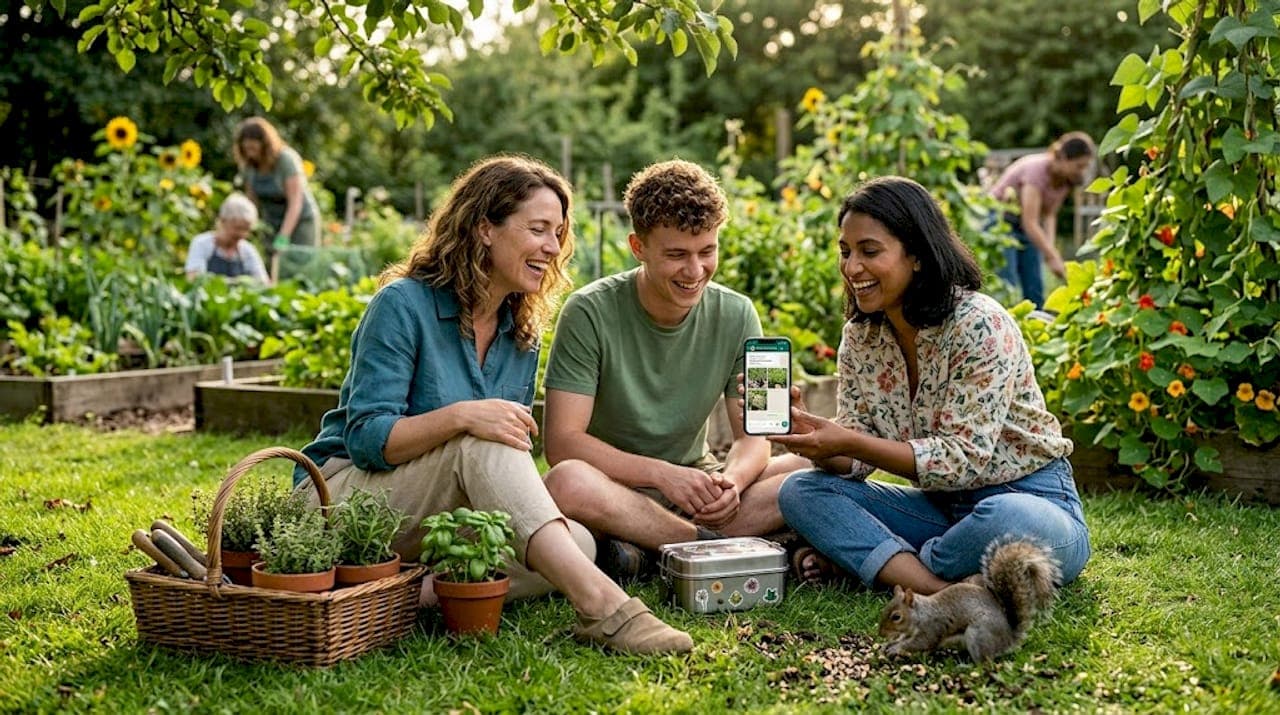
Gardening has always had a communal side, but the rise of garden WhatsApp groups has made that side far more accessible. Whether you grow roses in a Dublin back garden or manage the grounds of a rental property, a WhatsApp gardening community puts real expertise one message away. You get sowing reminders, pest identification help, and honest plant care advice from people who actually garden in your climate. This article covers how to find and join the right groups, what you will genuinely gain from them, and how to move beyond the screen into real-world gardening events that make the whole thing stick.
Table of Contents
- Key takeaways
- How to find and join garden WhatsApp groups
- Benefits of joining a WhatsApp gardening community
- From WhatsApp chats to real-world gardening events
- Best practices for contributing to gardening groups
- My honest take on gardening WhatsApp groups
- Professional garden care for Dublin properties
- FAQ
Key takeaways
| Point | Details |
|---|---|
| Finding groups is straightforward | Use curated invite link lists to join a garden tips WhatsApp group in seconds. |
| Private groups outperform large public ones | Smaller, invite-only communities deliver more relevant, less spammy gardening advice on WhatsApp. |
| Real-world events deepen connections | Plant swaps and local workshops build friendships that digital chats alone cannot replicate. |
| Lurk before you post | Observing group culture for a few days helps you avoid missteps and find genuine value. |
| Professional support complements community advice | Expert property care services fill the gaps that WhatsApp tips alone cannot cover. |
How to find and join garden WhatsApp groups
The simplest route is a curated invite link directory. Sites that aggregate gardening WhatsApp group links list hundreds of active communities across topics like vegetable growing, houseplants, urban gardening, and lawn care. You click the link, WhatsApp opens, and you join immediately. No waiting, no approval forms.
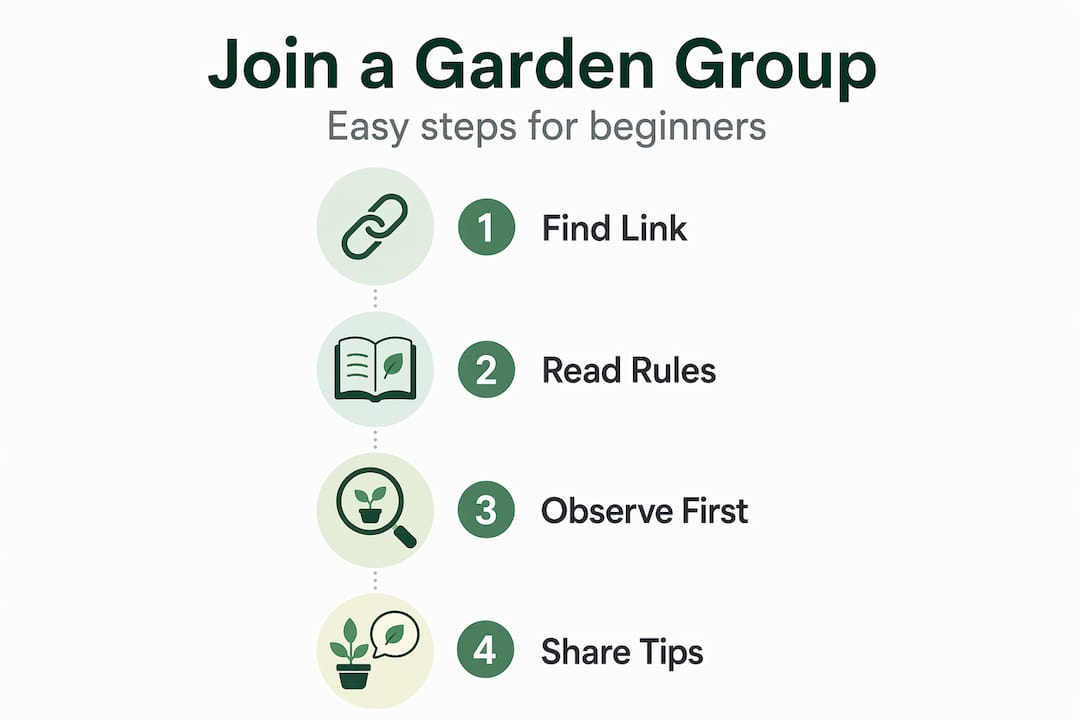
Here is a straightforward process to get started:
- Search for a reputable directory of gardening WhatsApp group invite links.
- Filter by topic or location. A Dublin-based group will give you far more relevant seasonal advice than a general international one.
- Click the invite link on your phone. WhatsApp will prompt you to join.
- Read the pinned messages and group description before posting anything.
- Observe the group for two or three days to understand the tone and what members value.
- Introduce yourself briefly, mention your garden type, and ask one clear question to get started.
One thing worth knowing: invite-only groups tend to have higher quality communication and stronger bonds than large open groups. A group with 50 active local members will almost always serve you better than one with 500 silent or promotional accounts. Look for groups where members post photos, ask specific questions, and respond to each other.
Group rules vary, but most gardening communities prohibit spam, commercial promotions, and off-topic content. Admins enforce these rules to maintain focus. Expect to be removed if you ignore them, so take two minutes to read the rules when you join.
Pro Tip: If a group feels inactive or is full of promotional posts within the first 48 hours, leave and find another. There are hundreds of active communities out there, and your time is better spent in one that actually delivers.
Benefits of joining a WhatsApp gardening community
The practical gains are immediate. Members receive regular advice on plant care, access to sowing calendars, urban gardening tips, and invitations to local seed swaps and meetups. For property owners in Dublin, this kind of localised knowledge is particularly useful because Irish growing conditions differ significantly from the generic advice you find on international gardening websites.
Here is what active members typically gain:
- Sowing and planting calendars tailored to the Irish climate, so you know exactly when to start seeds indoors or plant out.
- Photo-based diagnosis where you share a picture of a sick plant and get multiple responses within hours.
- Urban and balcony gardening tips for those with smaller outdoor spaces or terrace gardens.
- Plant swap opportunities that let you diversify your garden without spending money.
- Local event invites for workshops, open gardens, and community growing days.
- Seasonal maintenance reminders that keep your property looking well throughout the year. Groups often share seasonal maintenance workflows that property owners can apply directly.
Beyond the practical, there is a wellbeing dimension that often goes unmentioned. Gardening communities that focus on the therapeutic aspects of growing encourage stronger, longer-term engagement. Members report feeling less isolated, particularly those who garden alone on larger properties. The simple act of sharing a photo of your first tomato harvest and receiving genuine enthusiasm from others is more motivating than most people expect.
For property owners specifically, a good plant care chat group is also a source of trusted local contractor recommendations. Members share honest experiences with landscapers, hedge trimmers, and lawn care services in Dublin, which saves you the guesswork of finding reliable help on your own.

From WhatsApp chats to real-world gardening events
Digital conversations are useful, but the real depth of a WhatsApp gardening community shows up in person. Community experts note that lasting friendships and better practical knowledge come from face-to-face meetings, not just message threads.
In Dublin, WhatsApp groups regularly organise local events. These include seed and plant swap mornings in community centres, informal garden visits where members tour each other's spaces, and skill-sharing workshops on topics like composting, pruning, and raised bed construction. The WhatsApp group acts as the coordination layer. The real value is in showing up.
A clear example of this comes from Northwich, where Rod's Community Garden rebuilt its community after a period of difficulty by returning with a free plant swap event. The event brought members back together, reinforced shared values, and gave the group renewed momentum. The WhatsApp group kept people connected between events, but the swap itself was what cemented the community.
"Active gardeners use WhatsApp to complement, not replace, physical meetups. The combination of digital convenience and in-person community spirit is what makes these groups genuinely resilient."
For Dublin gardeners, this model translates well. Groups based around specific neighbourhoods, like Rathmines, Clontarf, or Ballinteer, can organise morning swaps in local parks with very little effort. The WhatsApp group handles logistics. The event handles relationships.
Pro Tip: If your local group does not organise real-world events, suggest one. A simple plant swap at a local park requires no budget and no venue hire. Post the idea, offer to coordinate, and watch how quickly people respond.
Best practices for contributing to gardening groups
Getting the most from WhatsApp gardening tips depends on how you show up in the group. Being a passive member is fine at first, but the members who get the most value are the ones who contribute regularly and thoughtfully.
These habits make a real difference:
- Follow the rules consistently. Avoid posting anything promotional, off-topic, or repetitive. Admins notice, and so do other members.
- Share photos with context. A photo of a struggling plant is far more useful when you include the soil type, watering frequency, and how long the problem has been present.
- Ask specific questions. "Why are my courgette leaves yellowing at the edges after three weeks of dry weather?" gets better answers than "What's wrong with my courgette?"
- Offer what you know. If someone asks about hedge trimming in Dublin and you have experience, share it. Reciprocity is what keeps groups alive.
- Acknowledge good advice. A quick reply thanking someone for a helpful tip encourages them to keep contributing.
- Balance screen time with garden time. The best members apply what they learn. They come back with results, photos, and follow-up questions.
Evaluating group dynamics in the first few days by observing quietly helps you understand what the group values before you post. This is not just politeness. It is the most efficient way to identify whether the group will actually be useful to you. If members are knowledgeable, respectful, and active, you have found a good one. If the group is dominated by a few loud voices or promotional content, move on.
Over time, consistent contributors often become informal organisers. They coordinate swaps, welcome new members, and help set the tone. That role carries real influence within a local gardening community, and it starts with simply showing up reliably.
My honest take on gardening WhatsApp groups
I have seen a lot of gardeners approach these groups with low expectations and come away genuinely surprised. The quality of advice in a well-run, local plant care chat group often exceeds what you would get from a generic online forum. People are invested because they are growing in the same climate, dealing with the same pests, and often sourcing from the same suppliers.
What I have learned is that the groups which last are the ones where members treat it like a real community, not just a place to ask questions and disappear. The gardeners who contribute photos, share failures as well as successes, and show up to events are the ones who get the most back. That is not a surprise. It is just how communities work.
The misinformation issue is real, but it is manageable. When someone shares advice that seems off, a good group will correct it calmly. I have found that the best groups have at least one or two members with genuine horticultural knowledge who keep things grounded. If your group lacks that, it is worth seeking out a more experienced community.
My strongest recommendation is to treat the WhatsApp group as a starting point, not a destination. Use it to learn, connect, and get pointed in the right direction. Then take that knowledge into your garden and your community. The screen is a tool. The garden is the point.
— gerard
Professional garden care for Dublin properties
Connecting with a WhatsApp gardening community gives you advice, ideas, and encouragement. But some tasks need more than tips from a group chat. Regular lawn care, hedge trimming, and grounds maintenance require consistent, skilled hands on the job.
Sherrypropertycare provides professional gardening and grounds maintenance in Dublin for residential and commercial properties. Whether you need a one-off tidy-up or a regular maintenance schedule, the team delivers meticulous, reliable work that keeps your property looking its best. Many property owners find that combining community knowledge from a garden tips WhatsApp group with professional support from Sherrypropertycare gives them the best of both worlds. You stay informed and connected, and your garden gets the expert attention it deserves. Send a photo of your property to get a personalised quote tailored to your specific needs.
FAQ
What is a garden WhatsApp group?
A garden WhatsApp group is a private or public chat community on WhatsApp where members share gardening tips, photos, plant care advice, and local event information. Groups range from general gardening communities to specialist groups focused on vegetables, houseplants, or urban growing.
How do I join a gardening WhatsApp group?
You join by clicking an invite link, which takes you directly into the group via the WhatsApp app. Curated directories list hundreds of active groups across different gardening topics and locations.
Are private gardening groups better than large public ones?
Generally, yes. Smaller, invite-only groups tend to have higher quality discussions, less spam, and stronger community bonds than large open groups with hundreds of inactive members.
What should I do when I first join a gardening WhatsApp group?
Read the group rules and pinned messages, then observe quietly for a few days before posting. This helps you understand the group culture and identify whether it will be genuinely useful to you.
Can WhatsApp gardening groups help Dublin property owners?
Yes. Local groups share seasonal planting advice, maintenance tips, and contractor recommendations relevant to Irish growing conditions. Combining this community knowledge with professional services like those offered by Sherrypropertycare gives property owners a practical, well-rounded approach to garden care.