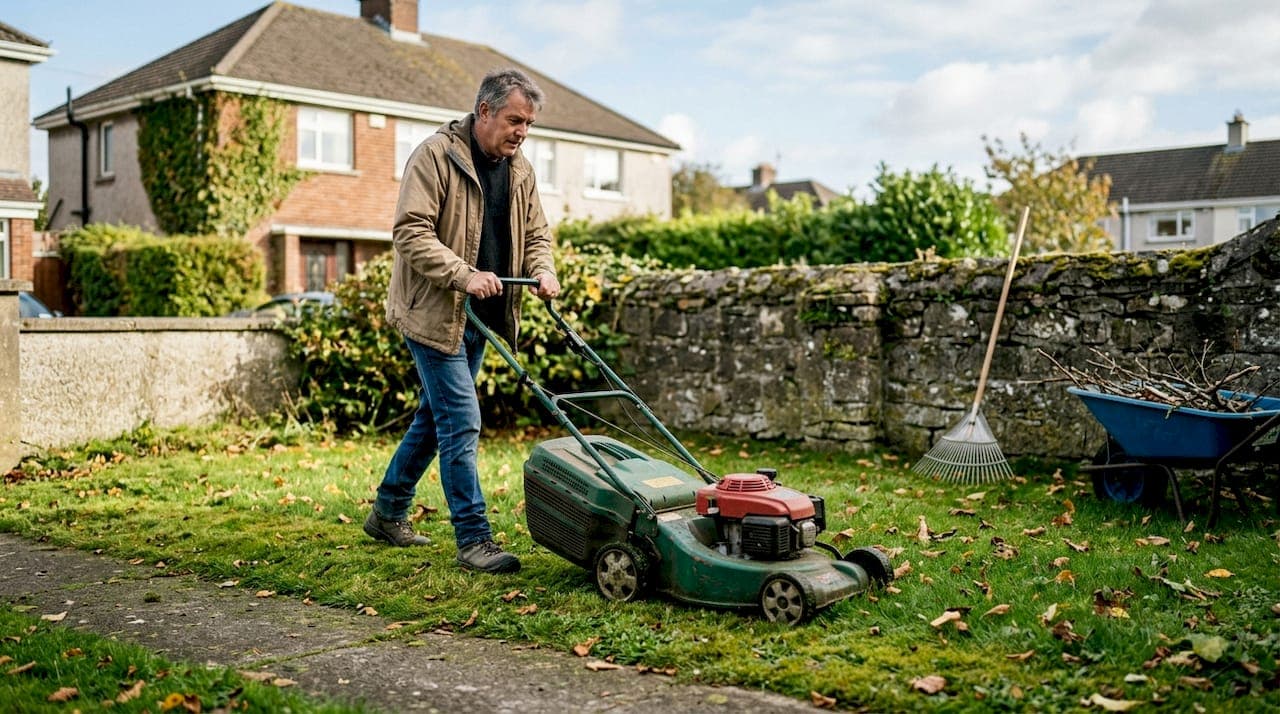
Many homeowners believe groundskeeping is just another word for lawn mowing, but this misconception overlooks the comprehensive care outdoor spaces truly need. Professional groundskeeping services encompass lawn mowing, edging, hedge trimming, pruning, weeding, pest control, seasonal planting, fertilization, irrigation management, leaf removal, and waste disposal to enhance aesthetics, functionality, and property value. Dublin's unique climate demands specialized approaches that go far beyond basic cutting. This guide walks you through the full spectrum of groundskeeping tasks, climate-specific methods for Irish properties, pricing structures, and sustainable practices that transform ordinary yards into thriving outdoor environments.
Table of Contents
- Key Takeaways
- What groundskeeping services include and why they matter
- Core groundskeeping methods tailored to Dublin's climate
- Pricing and benefits of professional groundskeeping services
- Additional expert tips and eco-friendly practices in groundskeeping
- Enhance your property with professional groundskeeping
- FAQ
Key Takeaways
| Point | Details |
|---|---|
| Comprehensive groundskeeping | Professional services cover mowing, edging, pruning, weeding, pest control, irrigation, seasonal planting, fertilization, leaf removal, and waste disposal to improve aesthetics and property value. |
| Dublin climate specifics | Dublin's maritime climate demands specialized mowing heights, irrigation practices, and pruning approaches beyond basic cutting. |
| Maintenance benefits | Regular upkeep boosts curb appeal, reduces costs, and helps meet local landscape standards. |
| Bundling saves money | Bundling services into comprehensive maintenance contracts typically saves about 20 to 30 percent compared with hiring tasks separately. |
What groundskeeping services include and why they matter
Professional groundskeeping services deliver far more than surface-level aesthetics. Lawn mowing establishes uniform height and prevents thatch buildup that suffocates grass roots. Edging creates crisp boundaries between lawn and hardscape, giving properties a polished appearance that signals meticulous care. Hedge trimming maintains structural integrity while promoting dense, healthy growth that serves as natural privacy screens.
Pruning extends beyond simple trimming to strategic removal of dead or diseased branches, improving air circulation and reducing pest habitats. Weeding eliminates competition for nutrients and water, allowing desired plants to flourish. Fertilization replenishes depleted soil nutrients, creating the foundation for vibrant growth throughout growing seasons. Pest control addresses infestations before they devastate entire landscapes, using integrated approaches that minimize environmental impact.
Seasonal planting introduces color rotation and biodiversity, adapting outdoor spaces to changing conditions. Irrigation management ensures water reaches root zones efficiently without waste or oversaturation. Leaf removal prevents matting that blocks sunlight and traps moisture, creating conditions for fungal diseases. Waste disposal maintains clean, functional spaces while recycling organic materials when possible.
Each task connects to broader property goals. Healthy lawns reduce erosion and filter rainwater runoff. Well-maintained hedges increase privacy and reduce noise pollution. Strategic planting attracts beneficial insects while deterring pests. These elements combine to create outdoor environments that enhance daily living while protecting long-term property investments.
Pro Tip: Bundling multiple services into comprehensive maintenance contracts typically saves 20-30% compared to hiring individual tasks separately, while ensuring coordinated timing that maximizes plant health and soil vitality.
Key groundskeeping tasks include:
- Lawn mowing at optimal heights for grass species and season
- Edging along walkways, driveways, and garden beds
- Hedge trimming for shape, density, and controlled growth
- Pruning trees and shrubs to remove deadwood and improve structure
- Weeding by hand or targeted herbicide application
- Fertilization based on soil testing and seasonal requirements
- Integrated pest management using biological and chemical controls
- Seasonal planting of annuals, perennials, and bulbs
- Irrigation system monitoring and adjustment
- Leaf and debris removal during fall and after storms
- Organic waste composting and disposal
For additional lawn care tips specific to Dublin gardens, local expertise helps navigate regional challenges.
Core groundskeeping methods tailored to Dublin's climate
Dublin's maritime climate creates unique groundskeeping challenges that demand specialized approaches. Weekly mowing at appropriate heights varies seasonally, with higher cuts in spring promoting root development and lower summer heights reducing moisture retention. Cylinder mowers deliver precision cuts below 2mm for ornamental lawns, while rotary models handle longer growth efficiently.
Soil compaction from Ireland's frequent rainfall requires regular aeration to relieve pressure and allow oxygen, water, and nutrients to penetrate root zones. Scarification removes thatch layers that accumulate in damp conditions, preventing fungal diseases and improving grass vigor. These mechanical interventions create immediate improvements in turf health that compound over successive seasons.
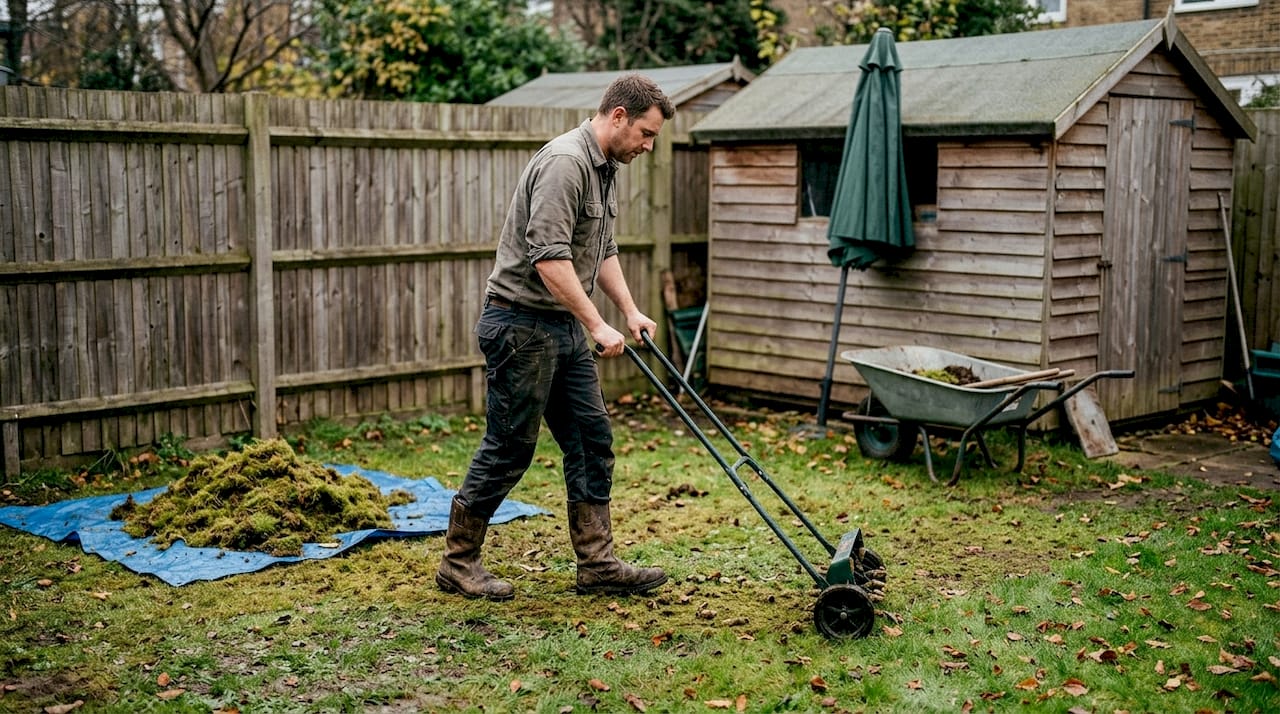
Seasonal fertilization based on soil tests addresses pH imbalances and nutrient deficiencies specific to local soil profiles. Testing every 2-3 years identifies phosphorus and potassium levels, guiding precise application rates that avoid waste and environmental runoff. Spring feeding supports vigorous growth, while autumn applications strengthen roots for winter dormancy.
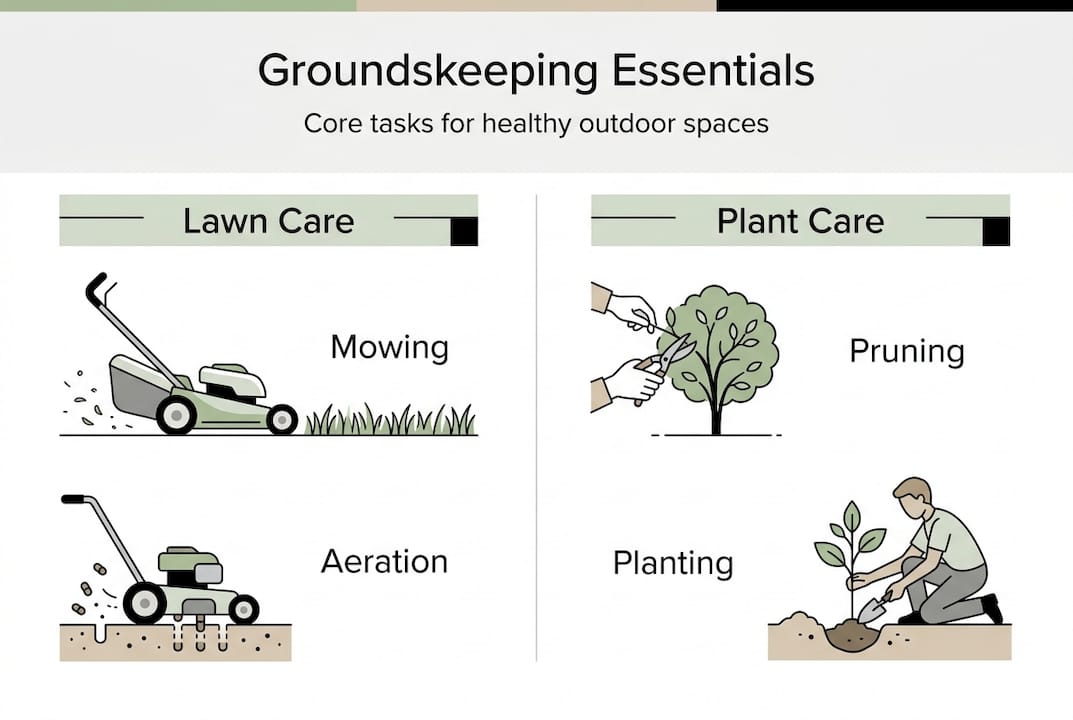
Moss thrives in Dublin's damp, shaded conditions, requiring targeted control strategies. Iron sulfate treatments kill existing moss without harming grass, while lime application raises soil pH to discourage future growth. Manual removal during scarification provides immediate results, though addressing underlying drainage and shade issues prevents recurrence.
Excess moisture causing moss, weeds, and diseases demands drainage improvements like mole ploughing and French drains. These solutions redirect standing water away from turf areas, creating conditions where desirable grasses outcompete moisture-loving weeds. Climate-tailored grass mixes featuring ryegrass and fescue varieties tolerate Ireland's conditions better than species bred for drier climates.
Pro Tip: Installing floatation tires on mowing equipment prevents soil compaction during wet periods, maintaining soil structure that supports healthy root systems year-round.
Dublin lawn challenges and professional solutions:
- Persistent moss growth from shade and moisture requires iron sulfate treatment, improved drainage, and selective tree pruning to increase sunlight penetration
- Waterlogged soil from poor drainage benefits from mole ploughing, installation of land drains, and raised bed construction in severe cases
- Soil compaction from foot traffic and equipment needs hollow-tine aeration twice annually, avoiding work during saturated conditions
- Fungal diseases like red thread and dollar spot thrive in humidity, controlled through improved air circulation, reduced nitrogen, and fungicide applications when necessary
- Weed invasion in thin turf responds to overseeding with competitive grass varieties, maintaining proper mowing height, and selective herbicide use
| Challenge | Cause | Professional Solution |
|---|---|---|
| Moss overgrowth | Shade, acidity, poor drainage | Iron sulfate treatment, lime application, drainage improvements |
| Waterlogged turf | Heavy clay soil, inadequate drainage | Mole ploughing, French drains, soil amendments |
| Compacted soil | Foot traffic, equipment weight | Hollow-tine aeration, core removal, topdressing |
| Fungal diseases | High humidity, poor air flow | Fungicide application, reduced watering, improved spacing |
| Persistent weeds | Thin turf, nutrient imbalance | Overseeding, fertilization, selective herbicides |
For insights on paver maintenance and weed control, integrated approaches address both turf and hardscape areas.
Pricing and benefits of professional groundskeeping services
Understanding groundskeeping costs helps homeowners budget effectively while recognizing value. Lawn mowing costs €30-75 per visit for small to medium properties, with frequency determining monthly expenses. Full garden tidy-ups including pruning, weeding, and edging range from €80-300 depending on property size and overgrowth severity. Monthly maintenance contracts typically cost €100-200, providing consistent care that prevents costly interventions.
Hedge trimming charges €30-60 per hour, varying with hedge height, density, and accessibility. Annual full-service contracts encompassing mowing, fertilization, aeration, and seasonal tasks range from €300-1400+ based on property size and service frequency. These comprehensive packages deliver better value than piecemeal hiring while ensuring coordinated timing that maximizes plant health.
Professional services outperform DIY efforts through specialized equipment, agronomic expertise, and time efficiency. Commercial-grade mowers cut more evenly and last longer than consumer models. Professionals recognize pest and disease symptoms early, preventing widespread damage. Proper fertilizer application avoids burning or nutrient runoff common with amateur efforts.
Time savings represent significant value for busy homeowners and property managers. A professional crew completes in two hours what might take a homeowner an entire weekend. This efficiency stems from experience, proper tools, and team coordination. The physical demands of groundskeeping also decrease with professional help, particularly for older homeowners or those with mobility limitations.
Long-term turf health improves under professional care through consistent practices and preventive maintenance. Regular aeration prevents compaction before it damages root systems. Timely pest control stops infestations at early stages. Proper mowing height and frequency reduce stress that makes lawns vulnerable to disease and weed invasion.
Reasons professionals outperform DIY groundskeeping:
- Commercial equipment delivers superior cut quality and efficiency compared to consumer-grade tools
- Agronomic training identifies soil deficiencies, pest problems, and disease symptoms before visible damage occurs
- Consistent scheduling ensures tasks happen at optimal times rather than when homeowners find availability
- Bulk purchasing of materials like fertilizer and mulch reduces per-unit costs below retail prices
- Insurance coverage protects property owners from liability if accidents occur during maintenance
- Physical capability to handle demanding tasks safely without injury risk
- Knowledge of local regulations regarding pesticide use, waste disposal, and water restrictions
| Aspect | DIY Approach | Professional Service |
|---|---|---|
| Equipment cost | €500-2000 initial investment plus maintenance | Included in service fees |
| Time investment | 4-8 hours weekly during growing season | Zero homeowner time required |
| Expertise level | Learning through trial and error | Certified training and years of experience |
| Result quality | Variable based on skill and effort | Consistently high standards |
| Annual cost | €300-800 (equipment, materials, repairs) | €300-1400+ (full service included) |
Additional expert tips and eco-friendly practices in groundskeeping
Advanced groundskeeping incorporates techniques that optimize results while minimizing environmental impact. Cylinder mowers for precision achieve heights below 2mm on ornamental lawns and sports turf, creating the manicured appearance of professional estates. Floatation tires prevent soil compaction during necessary wet-season work, preserving soil structure that supports healthy root development.
Soil sampling every 2-3 years provides data-driven fertilization strategies, eliminating guesswork and preventing nutrient waste. Testing reveals pH levels, phosphorus, potassium, and organic matter content, guiding precise amendments that address actual deficiencies rather than assumed needs. This scientific approach improves results while reducing environmental runoff.
Sustainable landscaping practices deliver ecological benefits alongside aesthetic improvements. Native plant selections require less water, fertilizer, and pest control because they evolved in local conditions. These species support native wildlife including pollinators, creating biodiverse environments that resist pest outbreaks naturally. Composting lawn clippings and leaf litter returns nutrients to soil while diverting waste from landfills.
Wildlife habitats integrated into groundskeeping plans attract beneficial insects and birds that control pest populations. Leaving small brush piles provides shelter for ground beetles that consume grub larvae. Installing bird boxes encourages insect-eating species that reduce aphid and caterpillar damage. These natural controls reduce reliance on chemical interventions.
Machinery skills extend professional capabilities beyond basic mowing. Chainsaw operation enables safe tree pruning and removal. Irrigation system installation and repair ensures efficient water delivery. Specialized equipment like stump grinders, aerators, and overseeders expands service offerings while maintaining quality standards.
Pro Tip: Avoid mowing when soil is saturated, as equipment weight compresses soil particles and damages grass crowns, creating long-term turf thinning that invites weed invasion and requires expensive renovation.
Integrated full-service contracts outperform piecemeal tasks by aligning fertilization, weed control, and irrigation timing, saving 20-30% via route efficiency while enhancing property value through consistent curb appeal that attracts buyers and tenants.
Eco-friendly groundskeeping practices:
- Native plant species reduce water consumption by 30-50% compared to non-native ornamentals while supporting local ecosystems
- Composting organic waste creates nutrient-rich soil amendments, eliminating need for synthetic fertilizers
- Mulching mower attachments return grass clippings to lawns, providing free slow-release nitrogen fertilization
- Drip irrigation and smart controllers deliver water directly to root zones, reducing waste from evaporation and runoff
- Organic pest control using neem oil, insecticidal soaps, and beneficial insects minimizes chemical exposure
- Pollinator gardens with diverse flowering plants support bee populations critical for food production
- Rain barrels capture roof runoff for irrigation, reducing municipal water demand during dry periods
- Electric or battery-powered equipment eliminates emissions and reduces noise pollution in residential areas
- Integrated pest management prioritizes monitoring and prevention over reactive chemical applications
For eco-friendly pressure washing tips that complement groundskeeping, sustainable approaches protect both landscapes and hardscapes.
Enhance your property with professional groundskeeping
Transforming outdoor spaces requires more than occasional mowing. Professional groundskeeping teams deliver climate-adapted maintenance that addresses Dublin's unique challenges while enhancing your property's aesthetic appeal and market value. Bundled service contracts optimize maintenance timing, ensuring fertilization, pest control, and irrigation work together rather than as isolated tasks.

Experienced crews recognize early warning signs of disease, pest damage, and soil deficiencies that untrained eyes miss. This preventive approach stops small problems before they require expensive interventions. Consistent care creates the lush, healthy landscapes that increase property values and create inviting outdoor living spaces. Contact professional groundskeeping services in Dublin for personalized quotes that match your property's specific needs and your maintenance goals.
FAQ
What types of outdoor spaces can groundskeeping services maintain?
Grounskeeping services maintain residential lawns, ornamental gardens, hedge rows, mature trees, patio areas, walkways, and communal outdoor spaces in housing developments. These services suit single-family homes, apartment complexes, homeowner associations, and commercial properties requiring consistent landscape management. Professionals adapt techniques to property size, from compact urban gardens to expansive estate grounds.
How often should groundskeeping tasks like mowing and pruning be performed?
Weekly mowing during active growing seasons from April through October maintains optimal grass health and appearance. Pruning schedules vary by plant type, with spring-flowering shrubs trimmed after blooming and summer-flowering varieties cut in late winter. Fertilization typically occurs three to four times annually, timed to seasonal growth patterns and soil test results.
Can groundskeeping services help with managing pest and weed problems?
Professional services include integrated pest management and targeted weed control using both organic and conventional methods suited to specific problems. Early detection prevents minor infestations from becoming widespread damage requiring extensive intervention. Regular monitoring identifies pest populations and weed emergence at stages when control is most effective and least costly.
What are the cost factors affecting groundskeeping services in Dublin?
Lawn size directly impacts pricing, with larger properties requiring more time and materials. Service frequency affects monthly costs, as weekly visits cost more than biweekly schedules but deliver superior results. Specialized tasks like tree pruning, pest control, and irrigation repair add to base mowing fees. Dublin's climate may require additional moss control, drainage work, and disease management compared to drier regions.