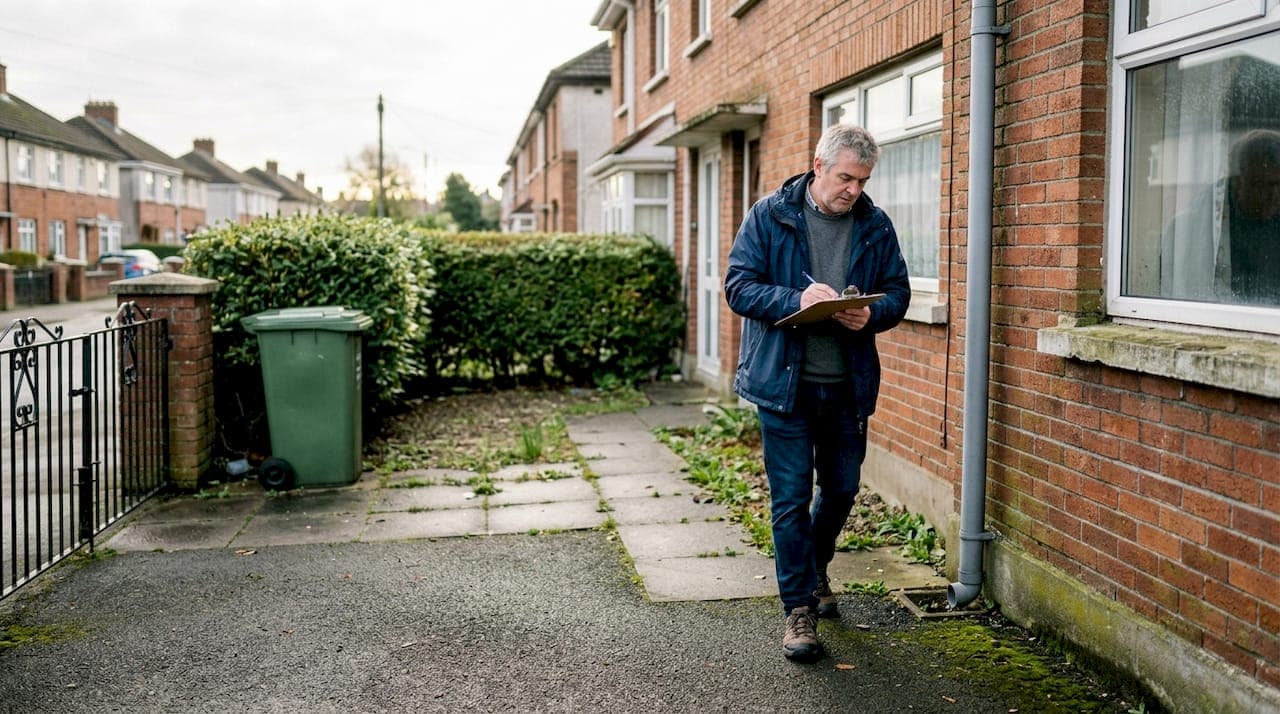
Your home's exterior is the first thing visitors and potential buyers notice, yet many Dublin homeowners struggle to maintain it properly in the city's damp climate. Regular upkeep not only preserves your property's structural integrity but also significantly increases its market value and curb appeal. This guide provides practical, actionable maintenance tips specifically designed for Dublin homes, helping you protect your investment while creating an inviting, well-maintained appearance that stands out in your neighborhood.
Table of Contents
- Key takeaways
- How to evaluate your home exterior maintenance needs
- Top exterior painting tips for longevity and curb appeal
- Maintaining and repairing external wall insulation (EWI)
- Winter preparation tips to protect your home exterior
- Find expert home exterior maintenance services in Dublin
- FAQ
Key Takeaways
| Point | Details |
|---|---|
| Regular exterior inspections | Conduct annual checks of roof, gutters, walls, and damp indicators to prioritize repairs before they worsen. |
| Paint surface preparation | Power wash, clean, fill cracks, sand, prime, and apply thin coats of weather resistant paint for longevity. |
| Gutter upkeep protects foundations | Keep gutters and downspouts clear of blockages and check for sagging sections to avoid leaks. |
| Seasonal painting timing | Aim for dry periods in late spring or early autumn when temperatures stay above ten degrees Celsius and rainfall is light. |
How to evaluate your home exterior maintenance needs
Before diving into specific maintenance tasks, you need a clear understanding of your property's current condition. Property managers and landlords should conduct annual inspections covering structural integrity, plumbing, heating, electrical systems, damp and mold issues, gutters, landscaping, and exterior paint. This comprehensive approach helps you prioritize repairs based on urgency and seasonal requirements.
Dublin's wet climate makes certain areas particularly vulnerable to deterioration. Start your inspection at the roofline and work downward, checking for missing tiles, blocked gutters, cracked render, peeling paint, and signs of moisture penetration. Pay special attention to areas where different materials meet, as these junctions often develop leaks first.
Create a systematic checklist to ensure nothing gets overlooked:
- Inspect roof tiles, flashing, and chimney for cracks or displacement
- Check gutters and downspouts for blockages, rust, or sagging sections
- Examine exterior walls for cracks, staining, or bulging render
- Test windows and doors for proper sealing and functioning locks
- Review paving and driveways for uneven surfaces or drainage issues
- Assess landscaping for overgrown vegetation touching the house
- Look for signs of damp, mold, or moss growth on walls and paths
Document your findings with photos and notes, creating a maintenance calendar that addresses seasonal needs. Spring inspections should focus on winter damage repair, while autumn checks prepare your home for the wet months ahead. This tailored approach ensures you tackle the right tasks at the right time, maximizing the effectiveness of your maintenance efforts.
Top exterior painting tips for longevity and curb appeal
Exterior paint serves as your home's primary defense against Dublin's persistent moisture, making proper application essential for long-term protection. Exterior painting in Dublin requires power washing surfaces, filling cracks, sanding, priming, and using weather-resistant paint applied in thin coats. Annual inspections for touch-ups extend the lifespan of your paint job significantly.
Surface preparation determines paint longevity more than any other factor. Start by thoroughly cleaning all surfaces with a power washer to remove dirt, algae, and loose paint. Allow walls to dry completely for at least 48 hours in dry weather, longer if conditions are damp. Fill any cracks with exterior-grade filler, then sand smooth once dry. This creates the perfect foundation for primer and paint to adhere properly.
Follow these practical steps for a professional finish:
- Remove loose paint with scrapers and wire brushes
- Clean surfaces with power washing or scrubbing
- Fill cracks and holes with flexible exterior filler
- Sand filled areas and rough patches smooth
- Apply primer to bare wood, metal, or patched areas
- Use quality weather-resistant paint in thin, even coats
- Allow proper drying time between coats per manufacturer instructions
- Inspect annually and touch up chips or worn areas promptly
Pro Tip: Choose lighter paint colors for Dublin homes, as they reflect moisture and heat better than dark shades, reducing paint degradation and extending the time between full repaints.
Timing matters when painting exteriors in Dublin's climate. Aim for dry periods in late spring or early autumn when temperatures stay above 10°C and rain is less frequent. Avoid painting in direct sunlight or when frost is forecast, as extreme conditions prevent proper paint curing. Quality paint applied correctly should last five to seven years before requiring a complete refresh, though high-traffic areas may need touch-ups sooner.
Maintaining and repairing external wall insulation (EWI)
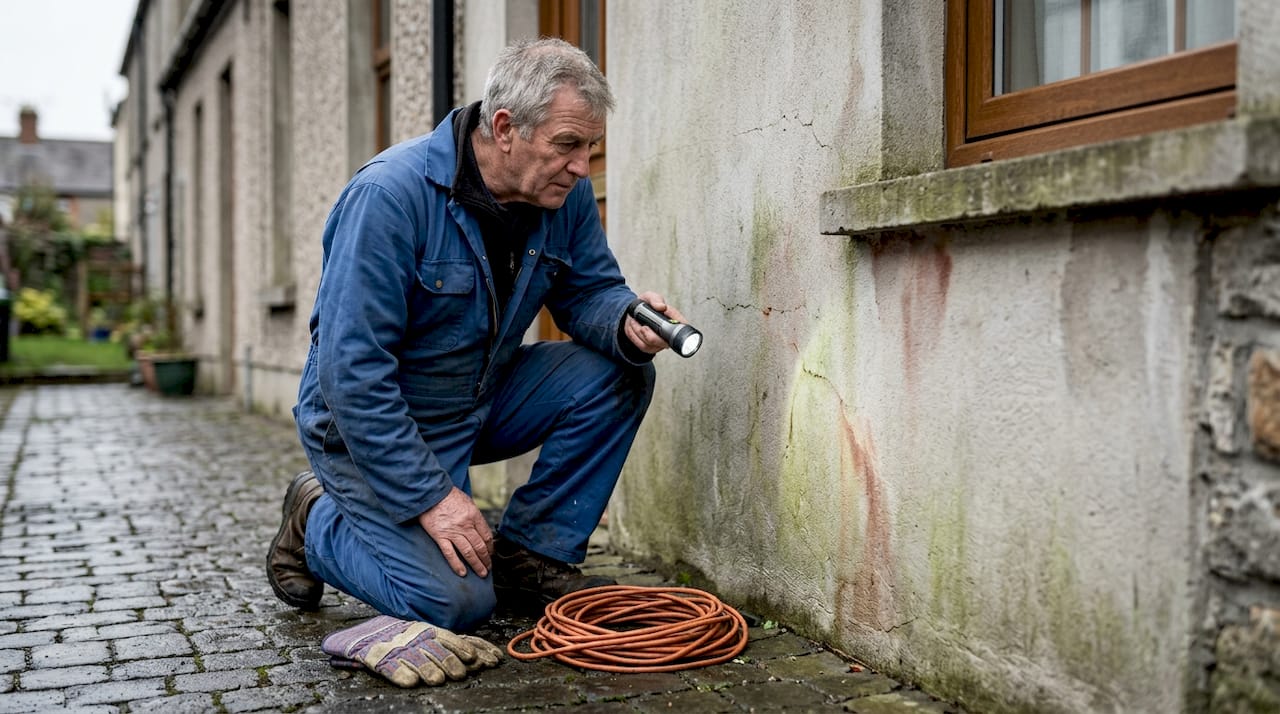
External wall insulation systems have become increasingly popular in Dublin for improving energy efficiency, but they require specific maintenance to perform optimally. Annual visual inspections for stains and cracks, gutter functionality checks, and ground clearance verification keep your EWI system in top condition. Proper care prevents moisture infiltration that can compromise both insulation performance and structural integrity.
Inspect your EWI system each spring after winter weather has passed. Look for discoloration, staining, or biological growth that indicates moisture problems. Check that gutters direct water away from walls and that ground levels haven't risen to cover the bottom edge of the insulation. Even minor issues can escalate quickly if left unaddressed, so early detection saves significant repair costs.
Cleaning EWI requires a gentle approach to avoid damaging the protective render:
| Do | Don't |
|---|---|
| Use low-pressure washing with gentle detergent | Use high-pressure washers that can crack render |
| Clean from bottom to top to avoid streaking | Scrub aggressively with abrasive tools |
| Rinse thoroughly with clean water | Use harsh chemicals or bleach-based cleaners |
| Allow proper drying time between cleaning and inspection | Paint over stains without identifying the cause |
| Trim vegetation to maintain clearance from walls | Allow moss or algae to establish before cleaning |
For minor crack repairs, follow these steps:
- Clean the cracked area thoroughly and allow to dry completely
- Apply flexible exterior filler designed for EWI systems
- Smooth the filler flush with surrounding surface using a filling knife
- Allow to cure per manufacturer recommendations, usually 24 to 48 hours
- Sand lightly if needed to blend with existing texture
- Touch up with matching exterior paint to seal and protect
Poor EWI installation can create serious problems:
- Moisture trapped behind insulation without adequate ventilation
- Thermal bridging at poorly sealed junctions reducing efficiency
- Biological growth from improper drainage or ground contact
- Cracking from inadequate mesh reinforcement in the render
For cracks wider than hairline or any signs of render detachment, contact professionals immediately. Attempting major repairs yourself risks making problems worse and potentially voiding warranties. Expert assessment ensures proper diagnosis and repair techniques that restore both appearance and performance.
Winter preparation tips to protect your home exterior
Dublin's wet winters pose unique challenges for home exteriors, making thorough seasonal preparation essential for preventing damage. Insulate pipes and tanks, service heating systems, clear gutters, and seal windows and doors before cold weather arrives. Focus particularly on drainage and moss removal, as Dublin's wet climate creates ideal conditions for both water accumulation and slippery surfaces.
Start your winter prep in late autumn, giving yourself time to complete tasks before the first hard frost. Insulating exposed pipes prevents bursting during cold snaps, while servicing your heating system ensures reliable operation when you need it most. These preventive measures cost far less than emergency repairs during winter.
Complete these essential winter preparation tasks:
- Wrap exterior pipes and outdoor taps with insulation sleeves
- Service boilers and heating systems before peak demand
- Clear gutters and downspouts of leaves and debris
- Check and seal gaps around windows and doors with weatherstripping
- Trim overhanging branches that could damage roof in storms
- Remove moss from paths, patios, and steps to prevent slipping
- Store garden furniture and protect outdoor equipment
- Ensure drainage channels and grates are clear and functional
Pro Tip: Use grit or sand on icy patios and paths instead of salt, which can damage paving stones, concrete, and nearby plants while leaving unsightly white residue that requires spring cleaning.
Preventive winter preparation reduces costly repairs from frost damage and moisture infiltration. Homeowners who invest a few hours in autumn maintenance save hundreds or thousands in emergency repairs during winter months, while also maintaining their property's curb appeal throughout the coldest season.
Pay special attention to drainage around your property's perimeter. Dublin's winter rainfall can overwhelm poorly maintained drainage systems, leading to standing water that seeps into foundations or basements. Clear French drains, check that downspouts extend at least two meters from walls, and ensure ground slopes away from your home. These simple steps prevent the majority of winter water damage.
Inspect your roof before winter storms arrive. Missing or loose tiles allow rain to penetrate, causing interior damage that worsens over time. Check flashing around chimneys and vents, as these vulnerable points often develop leaks first. Addressing minor issues in autumn prevents major problems when contractors are busiest and weather makes repairs difficult.
Find expert home exterior maintenance services in Dublin
While many maintenance tasks are manageable for handy homeowners, partnering with professionals ensures comprehensive care and long-lasting results. Expert property care providers bring specialized knowledge of Dublin's climate challenges, quality equipment, and proven techniques that protect your investment efficiently.

Sherry Property Care offers trusted local exterior maintenance solutions tailored specifically for Dublin properties. Their experienced team handles everything from power washing and surface preparation to complete grounds maintenance and garden care, ensuring your home's exterior remains in pristine condition year-round. Professional services save you time and effort while delivering quality results that enhance both curb appeal and property value. When you work with experts who understand Dublin homes, you gain peace of mind knowing your property receives the specialized care it deserves, protecting your investment for years to come.
FAQ
How often should I inspect my home's exterior for maintenance?
Conduct comprehensive exterior inspections at least once annually, ideally in spring after winter weather has passed. This timing allows you to identify and repair any damage before it worsens. High-risk areas like gutters, roofs, and painted surfaces benefit from additional checks in autumn before winter arrives, ensuring your home is prepared for harsh weather.
What is the best way to clean external wall insulation without causing damage?
Use low-pressure washing with mild detergent specifically designed for exterior surfaces, working from bottom to top to prevent streaking. Avoid high-pressure washers, abrasive scrubbing tools, and harsh chemicals that can crack or damage the protective render. Rinse thoroughly with clean water and allow the surface to dry completely before assessing whether additional cleaning or repairs are needed.
Can I paint my home exterior myself, or should I hire professionals?
DIY exterior painting is possible if you have time, proper equipment, and follow correct preparation steps including power washing, filling cracks, sanding, and priming. However, professionals deliver more durable, weather-resistant results through superior surface preparation, quality materials, and expert application techniques. For large projects or homes with difficult access areas, professional painters provide better value through efficiency and longevity of the finished work.