TL;DR:
- Proactive maintenance helps Dublin landlords reduce costs by up to 60 percent and improve tenant retention. Regular inspections, seasonal upkeep, and a clear request triage system ensure property safety, compliance, and satisfaction. Effective communication and detailed records foster trust, while timely professional repairs prevent costly emergencies.
Proactive property maintenance is the single most effective strategy for protecting your rental investment, reducing costs, and keeping tenants in place. Dublin landlords who schedule regular upkeep rather than waiting for things to break spend far less over time. Reactive repairs cost 40–60% more than scheduled preventive maintenance for identical systems. That gap compounds quickly across a portfolio. The best home maintenance tips for landlords share one principle: fix it before it fails, document everything, and communicate clearly with your tenants.
1. What are the most effective maintenance tasks landlords should schedule regularly?
A disciplined maintenance schedule is the foundation of good landlord property upkeep. Planning replacements based on lifecycle timing avoids disruptive failures and large, unexpected costs. The tasks below are the ones that deliver the highest return when done on time.
Annual tasks every landlord must complete:
- Gas safety inspection by a certified engineer, with a CP12 certificate issued to tenants
- Electrical Installation Condition Report (EICR) every five years
- Smoke alarm and carbon monoxide detector testing and battery replacement
- Boiler service and pressure check
- Roof and chimney inspection
Seasonal tasks that protect the property year-round:
- Gutter cleaning in autumn and spring
- HVAC filter changes every three months
- Pest control checks in spring and summer
- Weatherproofing doors and windows before winter
- Appliance servicing, particularly washing machines and dishwashers
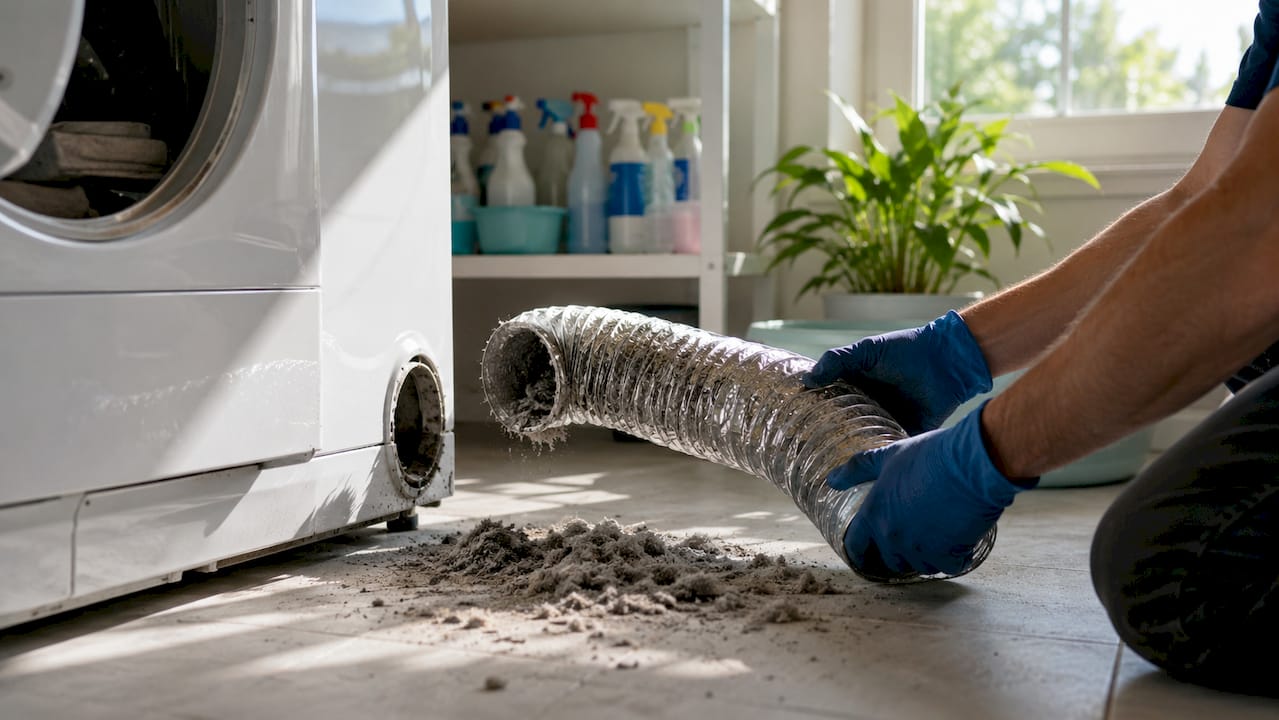
Pro Tip: Dryer vent cleaning and water heater inspections are frequently overlooked but critical. Blocked dryer vents are a leading cause of domestic fires, and neglecting them can void your insurance in the event of a claim.
Prioritise tasks based on the lifecycle of each component. A boiler installed ten years ago needs more attention than one fitted last year. Tenant usage patterns also matter. A property with four occupants will wear faster than one with a single tenant.
2. How can landlords prioritise and manage maintenance requests efficiently?
Classifying maintenance requests into three tiers prevents costly last-minute emergency call-outs. Repairs classified as Emergency cost roughly three times more than scheduled preventive work. A clear triage model keeps spending under control.
The three-tier triage model:
- Emergency (same hour response): No heating in winter, gas leaks, burst pipes, total loss of electricity, structural damage. These require immediate contractor attendance.
- Urgent (24–48 hours): Broken locks, faulty appliances, partial loss of hot water, roof leaks. These affect daily living but are not life-threatening.
- Routine (normal business hours): Dripping taps, minor cosmetic damage, worn seals, squeaking doors. These can be scheduled at the next available slot.
Pro Tip: Acknowledging tenant requests within four hours and giving a clear timeline builds more trust than rushing a poor-quality fix. Tenants do not expect instant resolution. They expect to be heard and kept informed.
Digital tools that combine tenant request tracking, contractor booking, and preventive scheduling give you a single view of all outstanding work. Apps such as Fixflo and Arthur Online are widely used by Dublin landlords for exactly this purpose. Maintaining a log of every request, with timestamps and outcomes, also protects you legally if a dispute arises.
3. What seasonal maintenance tips help landlords protect their Dublin property?
Seasonal maintenance aligned with local weather reduces emergency repairs and maintains asset value. Dublin's wet winters and mild but damp summers create specific risks that a generic checklist will miss.
| Season | Priority tasks | Dublin-specific risk |
|---|---|---|
| Spring | Roof inspection, drainage checks, AC servicing | Post-winter storm damage to slates and gutters |
| Summer | Pest control, exterior painting, garden upkeep | Damp-driven mould in poorly ventilated rooms |
| Autumn | Gutter cleaning, furnace servicing, weatherproofing | Leaf blockages causing water ingress |
| Winter | Heating inspection, insulation checks, HVAC filters | Frozen pipes in older Dublin terraced properties |
Spring is the right time to inspect the roof after winter storms. Check for cracked or missing slates, blocked downpipes, and any signs of water ingress in loft spaces. Service air conditioning units before the warmer months, even in Dublin where demand is lower than in southern Europe.
Summer brings pest activity and the best conditions for exterior work. Repaint rendered walls and wooden window frames before autumn rain arrives. Check garden drainage and, if you use an irrigation system, inspect it before the dry period ends.
Autumn is the most critical season for Dublin landlords. Clear gutters in october and november before the heaviest rainfall. Service the boiler and furnace before tenants rely on them daily. Seal gaps around doors and windows to cut heating costs.
Winter maintenance focuses on heating reliability and pipe protection. Insulate exposed pipes in unheated spaces such as attics and garages. Change HVAC filters and check radiator pressure monthly. A maintenance checklist for landlords built around Dublin's seasons will serve you far better than a generic template.
4. What legal maintenance obligations must Dublin landlords meet in 2026?
Legal compliance is not optional. Landlords face civil penalties up to £30,000 for failing to maintain essential structures and utilities. In Dublin, the Residential Tenancies Act sets out minimum standards that every rental property must meet.
Mandatory legal requirements for landlords in 2026:
- Gas safety: Annual inspection by a Registered Gas Installer (RGI). Tenants must receive a copy of the safety certificate within 28 days of the check.
- Electrical safety: Electrical Installation Condition Reports every five years, carried out by a qualified electrician. A copy must be provided to tenants.
- Smoke and CO alarms: Smoke alarms on every floor, carbon monoxide detectors in every room with a fuel-burning appliance. Test and replace batteries annually.
- Structural integrity: Roofs, walls, windows, and floors must be maintained in good repair throughout the tenancy.
- Record-keeping: Detailed dated records including timestamps, photos, contractor details, and tenant communications protect you legally and support insurance claims.
Non-compliance carries serious consequences beyond fines. Insurers can refuse claims if mandatory certificates are absent. The Residential Tenancies Board (RTB) in Ireland can impose sanctions and award compensation to tenants. Your landlord maintenance responsibilities under current Dublin regulations are clearly defined. Ignorance is not a defence.
5. How can landlords balance self-management and professional help?
Successful landlords manage routine low-risk tasks personally while outsourcing high-risk, legally sensitive work to qualified contractors. This hybrid approach keeps you familiar with your property's condition while meeting compliance requirements.
Tasks landlords can handle themselves:
- Replacing smoke alarm batteries
- Bleeding radiators
- Cleaning gutters on single-storey properties
- Touching up interior paintwork
- Checking and resetting trip switches
Tasks that require a qualified professional:
- Gas appliance servicing and certification
- Electrical installation work and EICR reports
- Roof repairs above single-storey level
- Boiler replacement or major plumbing work
- Structural assessments
When selecting contractors, ask for proof of registration with Gas Networks Ireland or Safe Electric Ireland before any work begins. Get at least two quotes for jobs above €500. Keep all invoices, certificates, and correspondence in a single digital folder organised by property and date.
Pro Tip: Maintenance contracts with trusted local tradespeople often include priority call-out rates. That preferential access is worth more than the contract cost when a boiler fails on a cold december night.
Grounds maintenance is one area where professional help pays for itself quickly. Overgrown gardens and neglected hedges reduce kerb appeal, attract complaints from neighbours, and can create boundary disputes. Sherrypropertycare provides meticulous grounds upkeep for Dublin rental properties, keeping lawns, hedges, and outdoor spaces in good order throughout the year.
6. How does proactive maintenance affect tenant retention?
40% of tenants uncertain about renewing their lease would stay another year if landlords showed commitment to regular, proactive maintenance. Tenant turnover is expensive. Void periods, re-letting fees, and redecoration costs add up fast. Keeping a good tenant in place through reliable upkeep is almost always cheaper than finding a new one.
Consistency in communication and workflow builds more tenant trust and retention than attempting rapid emergency fixes for every issue. A tenant who receives a same-day acknowledgement and a realistic timeline feels respected. A tenant who hears nothing for three days, then gets a rushed repair, does not. The difference between these two experiences is a lease renewal or a vacancy.
Treat property maintenance as a long-term performance management system rather than a list of repairs. Track response times, completion rates, and tenant feedback. Review your maintenance log quarterly and look for patterns. Recurring issues in the same area of the property often signal a deeper problem worth investigating before it becomes a costly emergency. A move-in checklist completed at the start of each tenancy gives you a baseline condition record that protects both parties.
Key takeaways
Proactive, scheduled maintenance is the most cost-effective approach for Dublin landlords, reducing emergency repair costs by 40–60% while improving tenant retention and legal compliance.
| Point | Details |
|---|---|
| Schedule preventive maintenance | Annual gas, electrical, and seasonal checks cost far less than reactive emergency repairs. |
| Use a triage system | Classify requests as Emergency, Urgent, or Routine to control costs and response times. |
| Meet legal obligations | Gas certificates, EICRs, and smoke alarms are mandatory. Non-compliance risks fines up to £30,000. |
| Communicate consistently | Acknowledge tenant requests within four hours and provide clear timelines to build trust. |
| Keep detailed records | Dated logs with photos and contractor details protect you legally and support insurance claims. |
What I have learned from years of Dublin property maintenance
Gerard's take on getting maintenance right
Most landlords I speak to in Dublin are reactive by habit, not by choice. They know they should be scheduling annual checks and seasonal inspections. The problem is that day-to-day life gets in the way, and maintenance slips until something breaks.
The shift that makes the biggest difference is treating your property like a business asset with a maintenance budget, not a house you happen to rent out. When I started allocating roughly 1% of a property's annual value to planned upkeep, the number of emergency call-outs dropped significantly. The budget forced me to plan, and planning forced me to act before problems escalated.
The other thing I have found is that tenants are far more forgiving than landlords expect, provided you communicate well. A boiler that takes three days to fix is not a crisis if the tenant knows what is happening and when it will be resolved. Silence is what drives complaints to the RTB.
Dublin's climate adds a specific layer of complexity. The damp, the wind, and the temperature swings between seasons mean that gutters, roofs, and heating systems take more punishment here than in drier climates. Autumn maintenance is non-negotiable. I have seen landlords skip the october gutter clean and spend three times as much on water damage repairs by january.
My honest advice: build your maintenance calendar in september, book your contractors early, and do not wait for tenants to report problems. Walk the property yourself at every inspection and look for the things tenants do not notice or do not mention.
— gerard
Keep your Dublin rental in top condition with Sherrypropertycare
Your property's exterior is the first thing tenants and prospective renters see. Neglected grounds send the wrong message and reduce the value of everything you have invested inside.

Sherrypropertycare provides professional gardening and grounds maintenance for Dublin rental properties, covering lawn care, hedge trimming, and full grounds upkeep tailored to your property's needs. Whether you manage one property or several, a regular maintenance schedule keeps your outdoor spaces looking well throughout every season. Send a photo of your grounds and get a customised quote. Good upkeep starts outside.
FAQ
How often should landlords inspect their rental property?
Landlords should inspect rental properties at least twice a year, with additional checks after severe weather. Each inspection should be documented with dated photos and written notes.
What is the most common maintenance issue in Dublin rental properties?
Damp and water ingress are the most common issues in Dublin rentals, driven by the city's wet climate and older housing stock. Regular gutter cleaning and roof inspections are the most effective prevention.
Are landlords legally required to provide gas safety certificates in Ireland?
Yes. Landlords must arrange an annual gas safety check by a Registered Gas Installer and provide tenants with the certificate within 28 days. Failure to comply can result in significant penalties.
What is the best way to handle emergency maintenance requests?
Respond within the same hour for genuine emergencies such as gas leaks, burst pipes, or total loss of heating. Contact a qualified contractor immediately and keep the tenant informed throughout.
How can cleaning affect tenant satisfaction and renewals?
Cleaning protocols directly impact tenant satisfaction and renewal rates. Properties maintained to a high standard, inside and out, are more likely to retain tenants and attract reliable new ones.