TL;DR:
- Proper carpet maintenance involves regular vacuuming, prompt spill cleanup, and professional cleaning every 12 to 18 months to extend carpet life and preserve warranties. Using the right tools, techniques, and furniture arrangements helps prevent permanent damage, while correct drying after cleaning avoids mould and fibre shrinkage. Consistent habits like rotating furniture and replacing underlay significantly enhance carpet durability, especially in damp climates like Dublin.
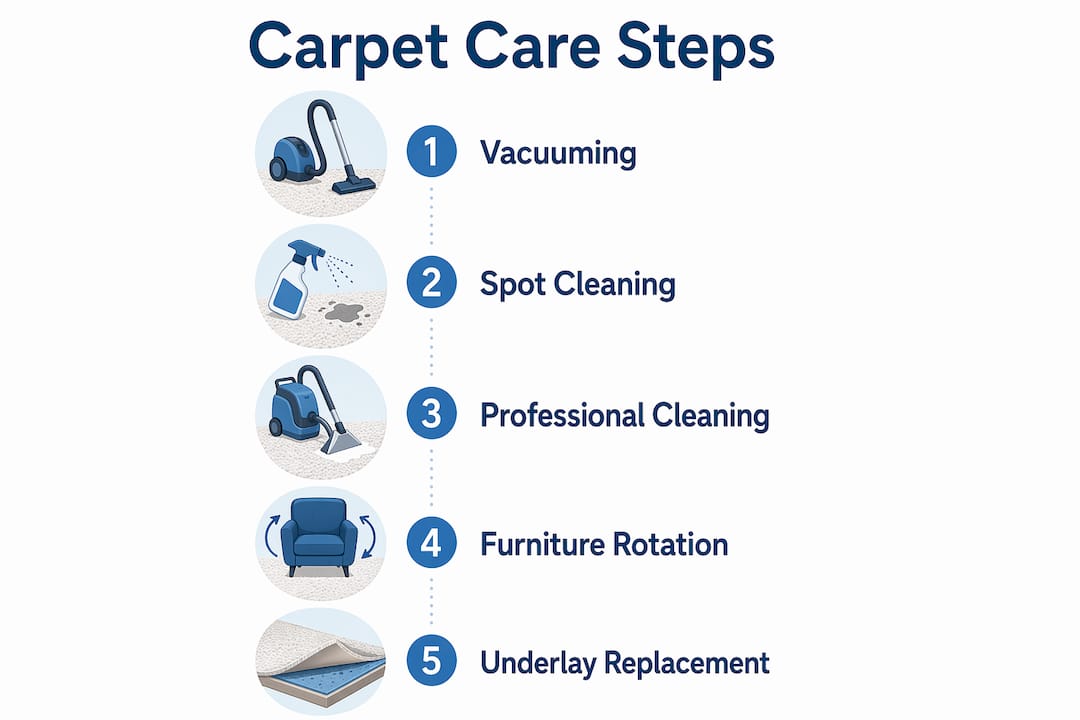
Carpet maintenance is defined as the routine of vacuuming, spot cleaning, professional extraction, and furniture management that preserves fibre integrity and extends carpet life. Knowing how to maintain carpets correctly prevents the kind of damage that shortens a carpet's lifespan by years and voids manufacturer warranties. The IICRC (Institute of Inspection, Cleaning and Restoration Certification) sets the recognised industry standard for professional carpet care, and its guidance forms the backbone of every recommendation here. Whether you rent a flat in Dublin or own a family home, the right habits protect your investment from day one.
What tools and products do you need for carpet care?
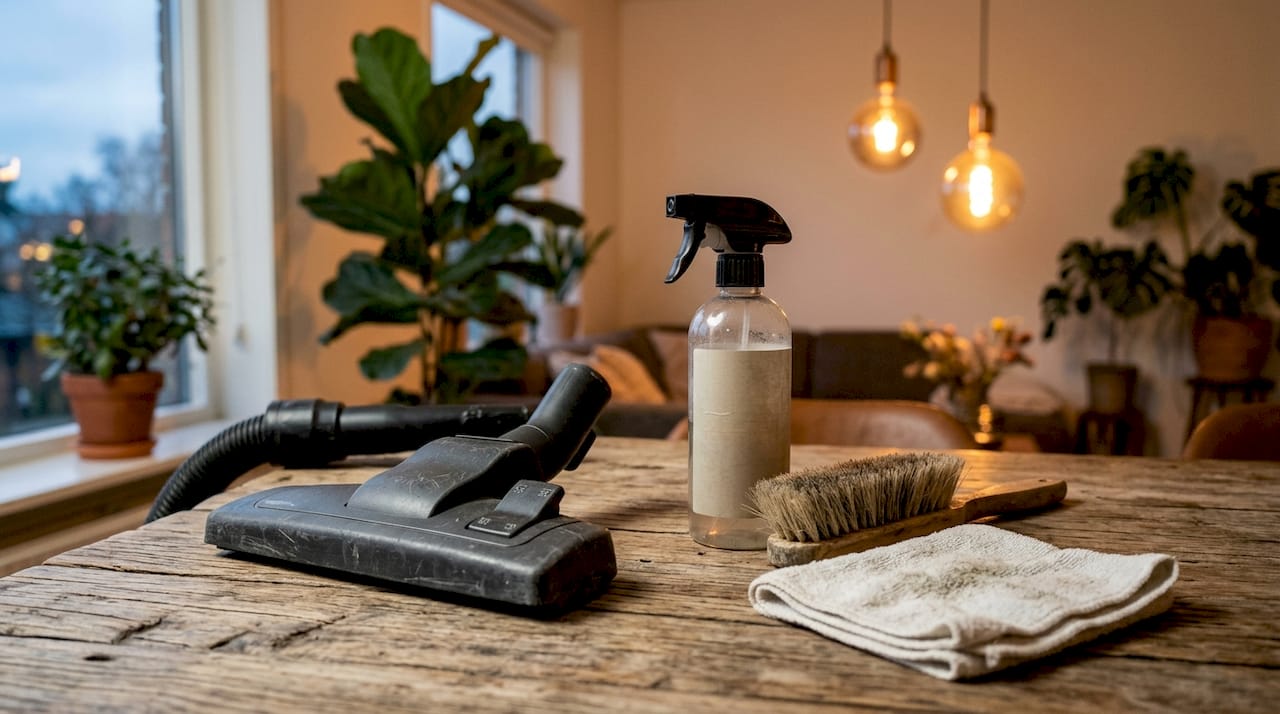
The right equipment makes carpet upkeep straightforward rather than a chore. A vacuum cleaner with adjustable height settings suits different carpet pile depths, from low-cut Berber to deep-pile wool. For spot cleaning, pH-neutral solutions with a pH of 5.5–7.5 lift stains gently without bleaching fibres or voiding warranties. WoolSafe-approved products are the correct choice for wool and wool-blend carpets specifically.
Beyond the vacuum and cleaning solutions, a few simple tools complete your kit.
- White cloths or kitchen roll for blotting spills without transferring dye
- A soft-bristle brush for working cleaning solution into the pile gently
- Doormats at every entrance to trap grit before it reaches the carpet
- Furniture coasters or felt pads to distribute the weight of heavy pieces
- A carpet rake to restore pile direction after cleaning or heavy use
| Tool | Purpose |
|---|---|
| Adjustable vacuum | Matches suction and height to carpet type |
| pH-neutral spotter | Removes stains without fibre or colour damage |
| White blotting cloth | Absorbs spills without dye transfer |
| Furniture coasters | Prevents permanent fibre compression |
| Doormat (both sides of entrance) | Reduces incoming grit by a significant margin |
Pro Tip: Empty your vacuum canister when it reaches half full. A full canister reduces suction and leaves abrasive grit in the pile, which cuts fibres with every footstep.
For a full breakdown of dependable equipment, the top carpet cleaning tools guide covers the best options available in 2026.
How often should you vacuum and professionally clean your carpets?
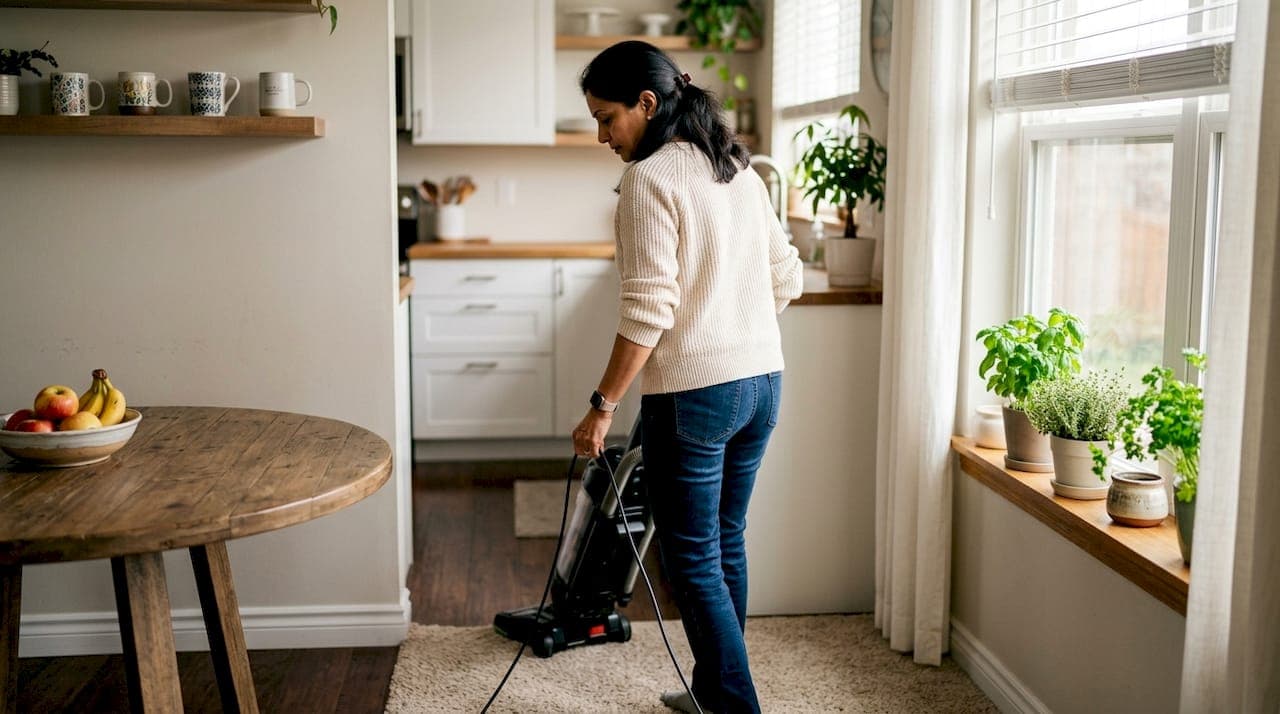
Frequency is the single most important factor in carpet upkeep. Vacuuming at least twice weekly in living areas and daily in hallways and on staircases prevents abrasive grit from grinding down carpet fibres with foot traffic. Doormats can catch a significant proportion of incoming dirt, so placing them at every entrance reduces the volume of soil that reaches your carpet in the first place.
Vacuuming technique matters as much as frequency. Slow, overlapping passes in multiple directions agitate and lift soil far more effectively than a single quick run. Speed is the main reason many vacuums miss embedded grit. A two-minute vacuum before any wet cleaning removes up to 79% of dry soil, which makes the wet stage far more effective.
Professional cleaning schedules depend on your household:
- Every 12–18 months for most homes with adults only and moderate foot traffic
- Every 6–12 months for homes with pets, children, or high foot traffic
- Every 6–9 months for households with both children and pets
Carpet warranties often require professional cleaning every 12–18 months by a certified company. Missing that documentation can void a 10-year warranty entirely. That is a costly oversight for what amounts to one appointment per year.
What is the correct method to clean spills and remove stains safely?
Acting fast is the single most effective stain prevention technique. Delaying spill cleanup beyond 60 seconds is a major contributor to permanent staining, as liquid wicks deeper into the pile and backing with every passing moment. The moment a spill happens, reach for a clean white cloth or kitchen roll.
Follow these steps in order:
- Blot immediately. Press a clean white cloth firmly onto the spill to absorb as much liquid as possible.
- Work from the outside inward. Start at the edge of the spill and move towards the centre to avoid spreading it further.
- Apply a pH-neutral cleaner. Spray a small amount onto the cloth, not directly onto the carpet, then blot again.
- Rinse with cold water. Dampen a fresh cloth with plain cold water and blot to remove any cleaning solution residue.
- Dry thoroughly. Place a dry towel over the area and weigh it down for 30 minutes to draw out remaining moisture.
Never rub a spill. Rubbing pushes liquid deeper into the pile, spreads the stain outward, and breaks down fibre structure. Blotting lifts the liquid upward and out. That single habit change prevents the majority of permanent stains in the home.
Pro Tip: For red wine or fruit juice, a small amount of cold sparkling water applied immediately can help lift the stain before it sets, because the carbonation agitates the liquid upward.
For stubborn or set-in stains, call a certified professional rather than escalating to harsh DIY chemicals. Aggressive products strip protective treatments and can permanently alter carpet colour. Understanding effective stain removal techniques applies the same principle across surfaces: act fast, use the right product, and avoid abrasion.
How does furniture arrangement and underlay quality influence carpet longevity?
Static furniture is one of the most overlooked causes of carpet damage. Permanent fibre compression results in visible indentations and changes in carpet texture that are difficult to reverse once set. Heavy sofas and beds concentrate enormous pressure on a small area of pile, and over months that pressure becomes permanent.
Rotating furniture every 3–6 months distributes wear evenly and gives compressed fibres time to recover. Placing furniture coasters or felt pads under legs spreads the load across a wider surface area. These two habits alone extend the visual life of a carpet by years.
Underlay quality is equally important and frequently ignored.
- Firm, supportive underlay cushions foot traffic and reduces fibre stress with every step
- Old, compressed underlay traps moisture and accelerates mould growth beneath the carpet
- Replacing underlay with new carpet is required by most manufacturers to maintain warranty validity
- Degraded underlay increases moisture retention, which creates the conditions for mould even in a dry room
| Factor | Good practice | Poor practice |
|---|---|---|
| Furniture position | Rotate every 3–6 months | Leave static for years |
| Furniture legs | Use coasters or felt pads | Direct contact with pile |
| Underlay condition | Replace with new carpet | Reuse old, compressed underlay |
| Underlay type | Firm and moisture-resistant | Thin foam that compresses quickly |
Old underlay must be replaced alongside the carpet to avoid warranty voids and poor performance. Reusing compressed underlay traps moisture and undermines even the best cleaning routine. This is one of the most common mistakes Dublin homeowners make when fitting new carpet on a budget.
What professional cleaning methods are recommended, and why is drying critical?
Hot Water Extraction is the industry-standard professional cleaning method. It injects water heated to 93–98°C into carpet fibres at high pressure and extracts the majority of moisture immediately. Professional hot water extraction removes 95% of moisture and residue in a single pass, which is why it outperforms supermarket hire machines consistently.
DIY hire machines and supermarket shampoos leave sticky residues in the pile. Those residues attract fresh soil faster than a clean carpet would, and using DIY shampoos can shorten carpet life by 3–10 years. That is a significant cost for a product that seems cheaper upfront.
Drying correctly after any wet cleaning is non-negotiable:
- Open windows and doors to maximise airflow through the room
- Use fans or a dehumidifier to accelerate moisture removal from the pile
- Avoid walking on damp carpet to prevent re-soiling and fibre distortion
- Allow 4–48 hours for full drying depending on pile depth and room ventilation
For a detailed breakdown of what affects drying time, the homeowner's drying guide explains the variables clearly. Over-wetting is the chief cause of long drying times and post-cleaning problems including mould and fibre shrinkage. Always choose IICRC or NCCA-certified professionals to avoid this risk.
Pro Tip: Place aluminium foil squares under furniture legs immediately after professional cleaning. This prevents rust or wood stain from transferring to the damp pile while it dries.
Key takeaways
Consistent carpet maintenance, combining daily vacuuming, immediate spill response, and certified professional cleaning every 12–18 months, is the most reliable way to protect carpet fibres and preserve warranty coverage.
| Point | Details |
|---|---|
| Vacuum frequently and slowly | Vacuum living areas twice weekly and hallways daily using slow, overlapping passes. |
| Act within 60 seconds on spills | Blot immediately with a white cloth, working from the outside inward to prevent spreading. |
| Schedule professional cleaning | Book a certified cleaner every 12–18 months, or every 6–12 months with pets or children. |
| Rotate furniture regularly | Move furniture every 3–6 months and use coasters to prevent permanent fibre compression. |
| Replace underlay with new carpet | Old underlay traps moisture and voids most manufacturer warranties if reused. |
What I have learned from years of watching carpets fail early
The most common mistake I see is homeowners treating their carpets like hard flooring. They scrub spills, use whatever cleaning product is under the sink, and assume a yearly hoover is enough. Carpets behave like textile filters. They trap soil, moisture, and bacteria in layers, and aggressive treatment breaks down the fibre structure from the top down.
The second mistake is ignoring the underlay. I have seen brand-new carpets laid over decade-old compressed foam, and within two years the carpet looks worn and feels flat. The underlay is not optional maintenance. It is structural support for the carpet above it.
What actually works is boring but consistent: vacuum slowly and often, blot spills immediately, use gentle products, and book a certified professional once a year. Furniture rotation takes ten minutes every few months and adds years to a carpet's appearance. These are not complicated steps. They are just easy to skip until the damage is already done.
The Dublin climate adds one more consideration. Damp air and wet footwear tracked indoors from rain mean moisture management matters more here than in drier climates. A good doormat, regular vacuuming, and proper drying after cleaning are not optional extras for Dublin homes. They are the baseline.
— gerard
Carpet care in Dublin: how Sherrypropertycare can help
Keeping carpets in good condition takes consistent effort, and sometimes you need a professional to reset the baseline.

Sherrypropertycare works with homeowners and renters across Dublin to provide property care that covers the details most people overlook. From advising on cleaning services for Dublin properties to connecting you with certified professionals who use moisture-controlled extraction and pH-neutral products, the team understands what Dublin homes need. If your carpets are due a professional clean or you want a tailored maintenance plan for your property, get in touch with Sherrypropertycare for a personalised quote. Send a photo of your space and the team will advise on the best approach for your home.
FAQ
How often should I vacuum my carpets?
Vacuum living areas at least twice a week and high-traffic hallways daily. Slow, overlapping passes in multiple directions remove significantly more soil than a single quick run.
What is the best way to remove a fresh carpet stain?
Blot the spill within 60 seconds using a clean white cloth, working from the outside of the stain inward. Apply a pH-neutral cleaner to the cloth rather than directly to the carpet, then rinse with cold water and blot dry.
How often do carpets need professional cleaning?
Most households need professional cleaning every 12–18 months. Homes with pets, children, or heavy foot traffic benefit from cleaning every 6–12 months to maintain fibre condition and warranty validity.
Does furniture damage carpets over time?
Static furniture causes permanent fibre compression that alters carpet texture and appearance. Rotating furniture every 3–6 months and using felt pads or coasters under legs prevents this damage.
Is Hot Water Extraction safe for all carpet types?
Hot Water Extraction is the IICRC-recommended method for most carpet types. It removes up to 95% of moisture in a single pass, reducing drying time and the risk of mould when performed by a certified professional.