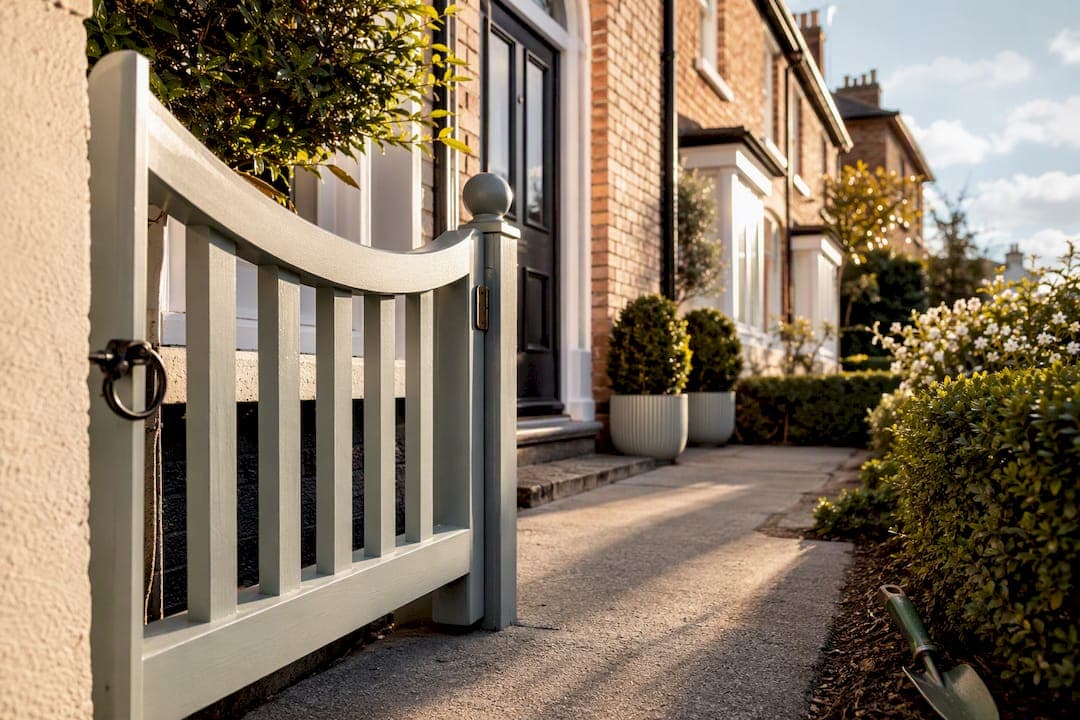
Clean it, paint it, plant it, hide it. That's the whole strategy behind the best kerb appeal ideas Ireland has to offer: power‑wash your paths and driveway, repaint the front door, add two matching pots either side of it, and screen off the wheelie bins. These four moves cost little, take a weekend, and consistently make Irish homes look cared for, whether you're selling or just tired of driving past a tired‑looking house every evening.
TL;DR:
- Power-washing driveways and paths twice a year is essential to prevent moss and algae buildup in Ireland's damp climate.
- Choosing dark, muted exterior paint colours like navy, black, or earthy greens helps maintain visual depth under Irish overcast skies.
- Regularly cleaning gutters, repairing fences, and updating hardware can significantly boost curb appeal without high costs or professional help.
- Timing exterior work around Irish weather is crucial; spring and summer offer the best conditions for painting and planting activities.
- Most improvements below €150, such as cleaning and painting, can be done DIY, but larger projects like driveway resurfacing may require professional intervention.
Table of Contents
- Kerb appeal ideas Ireland homeowners can finish in a weekend
- Routine maintenance that keeps kerb appeal year‑round
- Planting, pots and borders that suit Irish light and seasons
- Hard landscaping and the driveway: surfaces, drainage and security
- Doors, windows and exterior paint: getting the colour right in Irish light
- Lighting and security: low‑cost ways to lift evening appeal
- Budget, timescale and what actually adds value in Ireland
- Local expertise from gerard and how a professional service helps
- Repairing and repainting fences, gates and railings
- Planning kerb appeal work around Irish weather
- Enhancing kerb appeal with traditional Irish architectural features
- Council rules to check before starting exterior work
- Publisher perspective: why modest, well‑executed maintenance wins
- Sherrypropertycare: your local option for kerb appeal that lasts
- Sources
- FAQ
Kerb appeal ideas Ireland homeowners can finish in a weekend
You don't need a landscaper on speed dial to see a real difference by Sunday evening. Irish garden designer Alan Rudden's approach to transforming the outside of a house leans heavily on cleaning and small refreshes rather than big spending, and it holds up whether you're in a Dublin terrace or a detached house in Kildare.
Here's the order that gives you the most visible change for the least effort:
- Power‑wash the driveway and paths. Ireland's damp climate means algae and green staining build up fast, and a hire washer clears it in an afternoon.
- Clean the gutters and downpipes. Overflowing gutters leave streaks down render that scream neglect.
- Repaint or clean the front door. This is the single most noticed feature on any façade.
- Update the house number and door hardware. A tarnished knocker or faded number undoes a fresh coat of paint instantly.
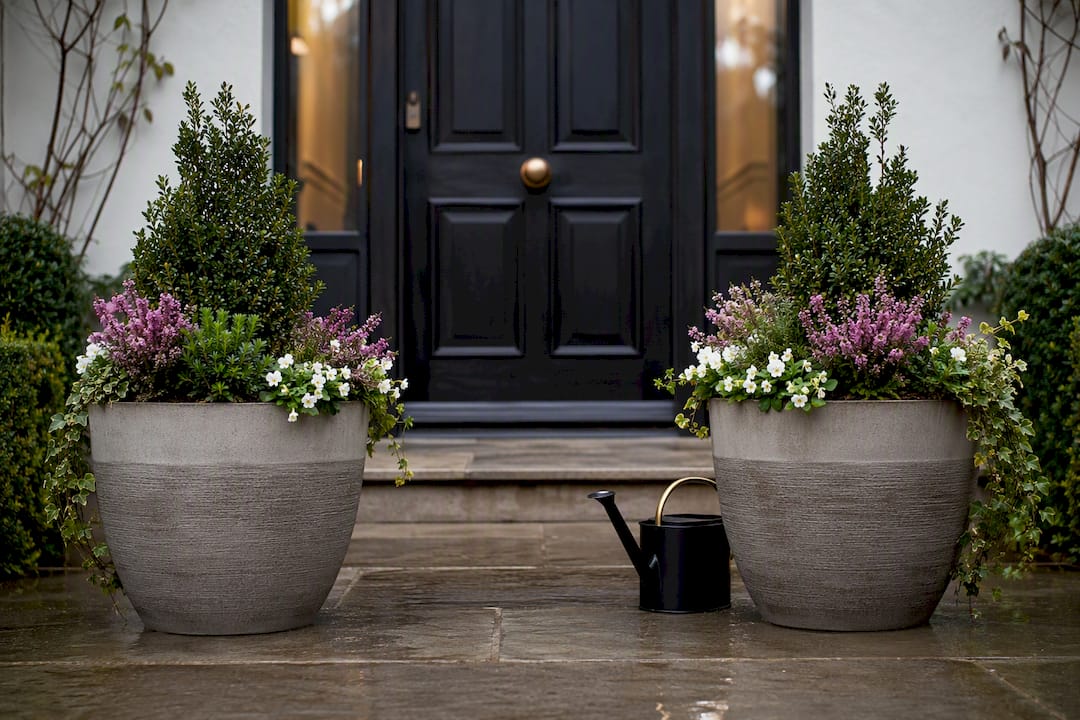
- Add two matching potted plants either side of the door. Symmetry reads as deliberate, even on a modest budget.
- Conceal wheelie bins behind a simple screen so they're not the first thing visitors see.
- Tidy stray garden tools, hoses and children's toys left against the wall or on the lawn.
- Edge the lawn, pull weeds and sweep moss off paths for a finished, mowed‑yesterday look.
None of this requires a professional crew. It requires a free Saturday, a hired pressure washer, and a tin of paint.
Routine maintenance that keeps kerb appeal year‑round
A weekend blitz fades fast without upkeep. Irish weather is the reason: rain, mild winters and long damp spells push moss and algae back within months, not years.
- Spring (March to May): mow regularly as growth accelerates, tackle moss on paths, and shape hedges before nesting season restricts cutting.
- Summer (June to August): deadhead bedding plants, keep lawn edges crisp, and check gutters after storms.
- Autumn (September to November): clear leaves before they block drains, do a final hedge trim, and check for loose fencing before winter winds arrive.
- Winter (December to February): keep paths clear of moss and leaf mulch, which turn dangerously slippery in frost.
Drainage deserves particular attention. Blocked gutters and poorly graded paths are a leading cause of damp patches on Irish render, and they're far cheaper to fix in October than after a January flood.
Hire a professional when a job involves height, power tools you don't own, or a hedge thick enough to need more than loppers. A step‑by‑step grounds keeping approach makes it obvious when a job has outgrown a weekend project. If you do go it alone, wear eye protection for hedge trimming, never lean a ladder on wet render, and keep a second person nearby for anything above head height.
Planting, pots and borders that suit Irish light and seasons
Front gardens in Ireland need plants that can shrug off wind, damp soil, and long stretches without direct sun. Evergreen structure planting, paired with seasonal bedding for colour, gives you a garden that never looks bare in February and never looks overgrown in July.
- Evergreen backbone: box, holly and hardy hebe hold their shape through winter and need only an annual trim.
- Reliable seasonal colour: pansies and violas for autumn through spring, then geraniums or bedding begonias for summer pots.
- Path softening: Heuchera and hardy ferns tolerate shade and damp, filling gaps along narrow borders without sprawling.
- Scale for narrow plots: keep border depth to 30 to 45cm on tight front gardens so paths stay walkable.
Winter wetness rots roots faster than cold does, so use free‑draining potting compost with added grit, and always choose pots with a drainage hole. For layout ideas suited to compact plots, a small garden design guide for Irish homes is worth a look before you buy plants.
Pro Tip: Buy your two matching front‑door pots slightly larger than you think you need. Bigger pots hold moisture longer between waterings and are far less likely to blow over in an autumn gale.
Hard landscaping and the driveway: surfaces, drainage and security
Gravel and paved surfaces each solve different problems. Gravel is cheaper to lay, drains well, and doubles as a low‑cost security measure since footsteps crunch loudly on approach. Block paving looks tidier and wears longer, but needs proper edging and re‑pointing every few years to stay level.
- Permeable surfaces reduce standing water and cut down on moss, a real advantage in Ireland's wetter counties.
- Sealed concrete or poorly laid paving traps water and grows algae fast, especially on shaded, north‑facing driveways.
- Re‑point loose block paving and top up gravel depth before winter rather than after it.
- A well‑drained, defined driveway edge signals a maintained property, something good landscaping design consistently supports for resale appeal.
Whichever surface you choose, moss removal twice a year keeps both the look and the safety underfoot in check.
Doors, windows and exterior paint: getting the colour right in Irish light
Front door colour is where good intentions go wrong most often. Peach and yellow tones that look warm on a paint chart tend to read flat and slightly dated under Irish grey skies, according to guidance on exterior paint colours for Irish homes. Navy, black, and earthy greens hold their depth in overcast light and still feel warm on a bright day.
- Always test a sample patch outside, and check it in both morning and evening light before committing to a full door.
- Muted, slightly darker shades tend to photograph and age better than pale pastels on Irish façades.
- Tired uPVC frames and sills often just need a thorough clean and a specialist uPVC paint, not full replacement.
- A full repaint of elevations makes sense when render is patchy or discoloured; spot repairs suit isolated damp staining or peeling near gutters.
Testing outdoors matters more than any colour chart: paint reads darker in real daylight than it does on a small swatch indoors.
Lighting and security: low‑cost ways to lift evening appeal
Irish evenings draw in early for much of the year, so lighting does real work on kerb appeal, not just decoration.
- Fit a porch light with a warm bulb, not a cold white one, for a welcoming glow at the door.
- Add low path lights along the driveway edge for safety and a finished look after dark.
- Install a sensor security light covering the driveway approach, ideally paired with energy‑efficient LED fittings.
- Match all hardware finishes, black or brushed steel, so lighting and door furniture look chosen rather than accumulated.
- Angle lights to highlight the door and house number rather than pointing outward, which avoids glaring at neighbours' windows.
Budget, timescale and what actually adds value in Ireland
Most kerb appeal work falls into three clear budget bands. Weekend DIY jobs, cleaning, painting the door, adding pots, tend to sit under €150. Small contractor jobs such as hedge reshaping, gutter clearing or a screen for bins usually run €150 to €1,500. Larger landscaping, resurfacing a driveway or redesigning borders, moves past €1,500.
- Do the cheap, visible jobs first: cleaning and painting change first impressions faster than any planting scheme.
- Surveys on garden features suggest buyers consistently respond to tidy, usable outdoor space, a mown lawn, simple seating, defined flower beds, more than elaborate or unusual designs.
- Move‑in‑ready gardens tend to outperform bespoke, high‑maintenance features when it comes to resale, since buyers weigh upkeep as much as looks.
- Avoid sinking money into a single showpiece feature and neglecting the basics; a manicured lawn beats an expensive water feature surrounded by weeds.
Work in this order: clean everything, fix anything broken or leaning, paint the door and trim, then plant.
Local expertise from gerard and how a professional service helps
Living and working around Dublin gardens for years teaches you which fixes actually hold up against Irish weather, and which ones look great for a fortnight before the rain undoes them. Bin screening is a good example: a simple timber or lattice screen, sized properly for two or three bins, solves a problem that no amount of planting nearby ever quite hides.
Seasonal planting timing matters more here than most guides admit. Bedding put in too early gets battered by a late frost, and hedges cut during nesting season create problems that have nothing to do with looks. These are the small judgement calls that separate a garden that looks tended from one that looks merely tidied.
Professional grounds maintenance earns its cost when a job involves scale, height, or specialist equipment, clearing a badly overgrown hedge safely, resurfacing a driveway, or maintaining several properties at once for a landlord. DIY suits the weekend jobs; hired expertise suits anything where a mistake is expensive or dangerous to undo. For ongoing upkeep ideas between bigger projects, a seasonal maintenance checklist for Dublin homes is a useful reference to keep on hand.
Repairing and repainting fences, gates and railings
A front garden can be perfectly planted and still look neglected if the fence around it is flaking or the gate hangs at an angle. Fences and railings take the worst of Irish weather because they're exposed on every side, and peeling paint or rust is one of the fastest visual signals that a property isn't being looked after.
Start with a proper inspection before reaching for a paintbrush. Check for rot at the base of timber posts, where they meet the ground and hold moisture longest. Wrought iron railings and gates need any rust spots wire‑brushed back to bare metal before a rust‑inhibiting primer goes on, otherwise the new paint just bubbles within months. Timber fences generally need a wash, a light sand on flaking areas, and one or two coats of exterior wood stain or paint rather than a full strip‑back unless the wood underneath is sound.
Match your fence and gate colour to your front door for a considered look rather than a patchwork of different tones down the boundary. Black or dark green ironwork tends to suit most Irish house styles, from Victorian terraces to modern semis, and it hides weather staining better than lighter colours. A sagging gate is usually a hinge problem, not a structural one, and tightening or replacing hinges is a ten‑minute fix that removes an obvious eyesore. Budget a weekend for a standard front garden's worth of fencing, longer if rot repairs are needed.
Planning kerb appeal work around Irish weather
Ireland's climate dictates timing more than most homeowners realise, and getting the season wrong wastes both money and effort. Exterior paint needs a dry spell of at least a few days to cure properly, which rules out large stretches of autumn and winter for door and fence painting. Late spring through late summer, roughly April to September, gives the most reliable run of dry, mild days for any exterior painting project.
Planting has its own calendar. Bedding plants go in after the last frost risk passes, typically mid to late spring, while hardier shrubs and evergreens establish best in autumn while soil is still warm from summer. Hedge cutting is restricted during the main nesting season, so schedule shaping for late summer or early autumn instead of a spring tidy‑up.
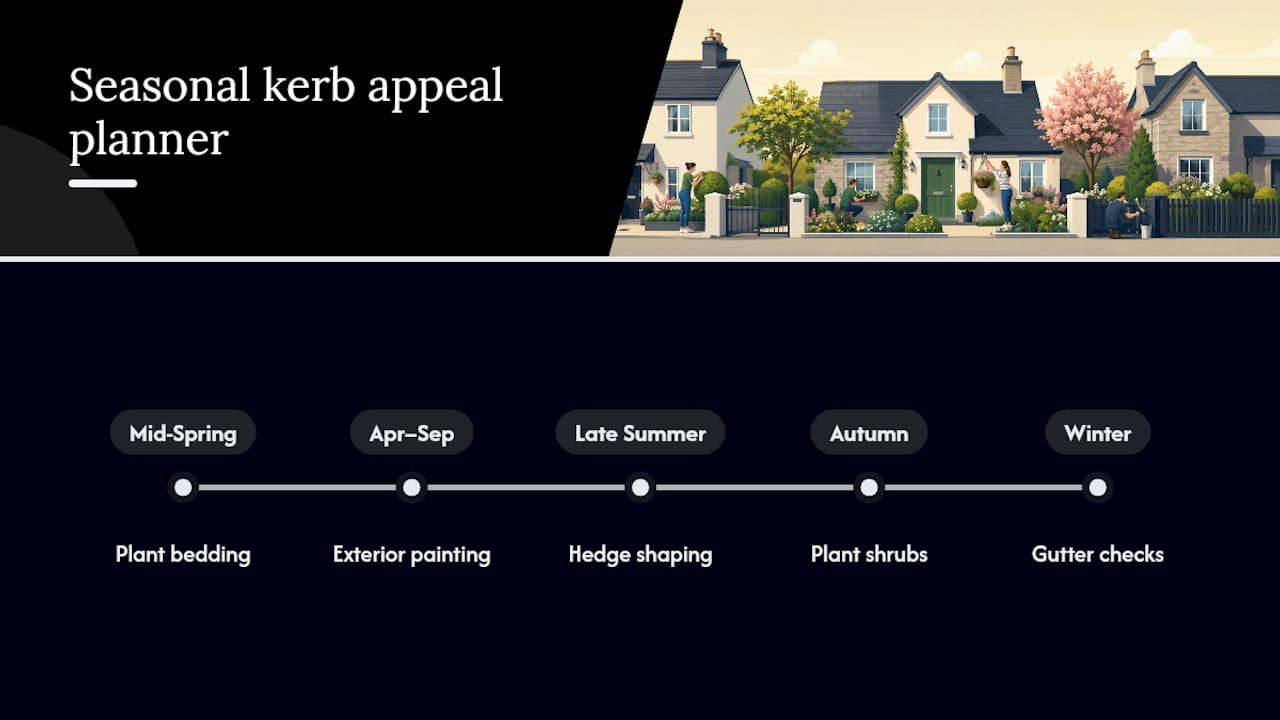
Power washing and cleaning jobs are more forgiving of timing, but a dry week makes the results last far longer since surfaces dry out and shed dirt more easily than when they're already damp. Winter is better spent on the maintenance jobs that don't need dry weather: clearing gutters, checking for storm damage, and planning what needs doing once spring arrives. Trying to rush a full exterior refresh into a single damp November weekend rarely gives lasting results, whereas spreading tasks across the year according to what the weather actually allows produces a far more durable finish.
Enhancing kerb appeal with traditional Irish architectural features
Irish homes often carry architectural details worth highlighting rather than hiding, and a kerb appeal refresh is the perfect moment to bring them forward. Sash windows, common on older terraces and period properties, look sharper with a fresh coat of paint on the frames in a colour that contrasts gently with the wall rather than blending into it.
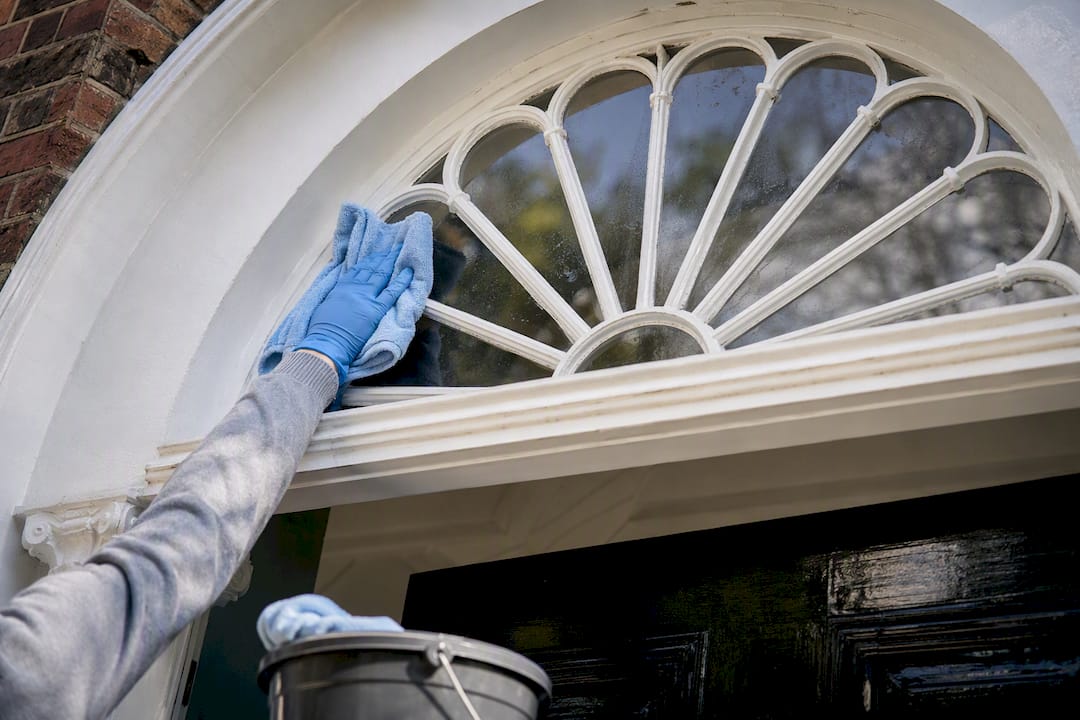
Fanlights above front doors, that half‑moon or rectangular window panel seen on many Georgian and Victorian‑influenced houses, deserve a clean rather than a cover‑up. Grime builds up on these more than homeowners expect, and a simple wash brings back light into the hallway as well as improving the exterior look. Cast‑iron boot scrapers and coal‑hole covers, still present on many older properties, are small period details worth cleaning up rather than removing.
Render finishes vary regionally, and matching any patch repairs to the existing texture avoids an obvious visual seam. Where a house has a natural stone surround or granite doorstep, a gentle clean rather than a paint job usually respects the material best. These details cost little to maintain but do a lot of work in making a house feel established and well cared for, rather than generic.
Council rules to check before starting exterior work
Most of the projects covered here, painting, planting, cleaning, don't need planning permission in Ireland. Where it gets more complicated is anything that changes the structure or appearance of the house itself, or work on a protected structure.
If your home is on a local authority's Record of Protected Structures, changes to windows, doors, render colour or boundary walls typically need consent from the local planning authority before you start, even for what feels like routine maintenance. This applies to a meaningful number of older properties in Dublin's inner suburbs and market towns around the country.
Boundary walls and fences also carry rules on height in many areas, generally lower limits near a road frontage than along side or rear boundaries. Check with your local county or city council's planning department before building a new wall or replacing an existing fence at a different height. Driveway alterations that affect access to a public road, widening an entrance or adding a new dropped kerb, usually need separate approval since they affect the footpath and road margin, not just your own property.
When in doubt, a quick call or email to your local authority's planning section before starting is faster and cheaper than reversing unauthorised work later.
Publisher perspective: why modest, well‑executed maintenance wins
The temptation with kerb appeal is always to reach for the dramatic gesture, a feature wall, an elaborate planting scheme, a striking gate. In practice, the properties that consistently look their best are the ones where the basics are done properly and repeated often: a clean path, a sound fence, a door that's actually been painted this decade.
If you take one thing from this guide, prioritise the low‑maintenance choices over the impressive‑looking ones. A garden that needs constant attention to stay presentable will eventually look neglected again, usually faster than you'd like.
If you'd rather hand the maintenance side to someone else, Sherrypropertycare is happy to give you a local quote based on your own garden.
— gerard
Sherrypropertycare: your local option for kerb appeal that lasts
Doing the work yourself is one route to a sharper‑looking front garden. Hiring someone who does this every week in Dublin gardens is the other, and it's usually the faster one when you want results without giving up three weekends in a row.

Sherrypropertycare handles the core jobs covered in this guide directly: grounds maintenance, hedge trimming, power washing of paths and driveways, and seasonal planting for properties across Dublin. Every quote is customised to the property rather than pulled from a standard price list, so you're not paying for work you don't need.
Getting a quote starts simply: send photos of your front garden or driveway and a short description of what's bothering you about it. From there, you'll get a clear, tailored quote before any work begins, with no obligation to commit to ongoing maintenance if you just want a one‑off tidy‑up. If your garden needs the kind of attention covered in this guide, checking a garden maintenance checklist first can help you decide exactly what to ask for.
Ready to see what a professional finish looks like on your own property? Request your quote through Sherrypropertycare and send over your photos today.
Sources
- Garden designer Alan Rudden's simple tips to transform the outside of your house
- Exterior paint colours guidance (Tony Painting)
- How much can your garden impact the value of your property and what features attract most buyers - Garden Guide Ireland
FAQ
What's the cheapest way to improve kerb appeal in Ireland?
Power‑washing your driveway and paths, then repainting the front door, delivers the biggest visible change for the smallest spend, usually under €150 for materials and a hired washer.
What colour front door works best in Irish light?
Navy, black and earthy greens tend to hold their depth under Irish grey skies, while pale yellows and peach tones often look flat by comparison.
How often should I power‑wash my driveway?
Once or twice a year is usually enough to control moss and algae build‑up, though shaded, north‑facing driveways may need it more often.
Do I need planning permission to repaint my house or fence?
Standard painting and planting rarely need permission, but properties on a Record of Protected Structures usually require local authority consent for changes to render colour, windows or boundary walls.
When should I hire a professional instead of doing kerb appeal work myself?
Hire help for anything involving height, heavy equipment, or overgrown hedges and drainage issues, situations where a professional grounds maintenance team regularly takes over from DIY attempts that have stalled.