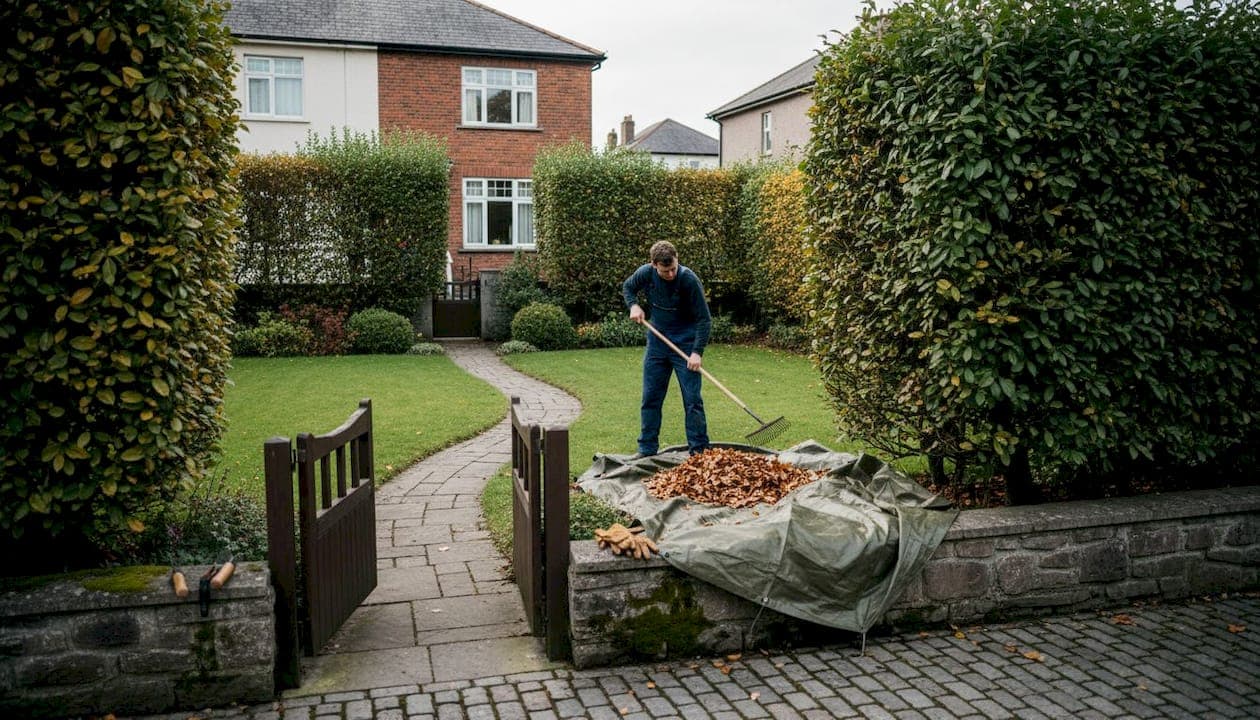
TL;DR:
- Well-maintained gardens can increase Dublin property values by 5 to 20%.
- Regular landscaping prevents costly structural and drainage issues in Dublin’s wet climate.
- Sustainable, consistent maintenance practices enhance curb appeal and long-term asset protection.
Many Dublin homeowners think landscaping maintenance is simply about keeping things tidy. It is not. Well-maintained gardens can boost property value by 5 to 20%, and regular upkeep prevents costly structural and drainage problems before they take hold. Whether you manage a single home or a portfolio of apartments, the condition of your outdoor spaces sends a clear signal to buyers, tenants, and neighbours alike. This guide covers the key methods, Dublin-specific best practices, and the real return on investment that professional landscaping maintenance delivers.
Table of Contents
- Why landscaping maintenance matters for Dublin properties
- Core elements of effective landscaping maintenance
- Expert approaches: Sustainable and compliant in Dublin
- Maximising value and avoiding common pitfalls
- A fresh perspective: What really elevates landscaping maintenance in Dublin
- Transform your property with professional care
- Frequently asked questions
Key Takeaways
| Point | Details |
|---|---|
| Boosts property value | Regular landscaping can raise your home’s value by 5-20 percent in Dublin. |
| Prevents costly issues | Routine maintenance stops problems like drainage failure and structural damage before they start. |
| Sustainable methods succeed | Integrated pest management and tailored local care deliver results and meet Dublin’s climate needs. |
| Simple routines outperform trends | Consistent, basic maintenance is more effective than elaborate landscaping gimmicks. |
Why landscaping maintenance matters for Dublin properties
Landscaping maintenance is not a luxury. For Dublin properties, it is a practical necessity with measurable financial returns. Landscaping maintenance enhances property aesthetics, prevents costly issues, and increases market value. That covers a lot of ground, so let us break it down.
First, consider aesthetics. A well-kept garden creates an immediate positive impression. For homeowners looking to sell or let, kerb appeal is often the deciding factor in whether a viewer even steps inside. For property managers, it sets the tone for the entire development.
Second, there is the financial case. The expert landscaping impact on sale price and rental yield is well documented. Properties with maintained grounds consistently achieve higher valuations than comparable homes with neglected gardens.
Third, and perhaps most underappreciated, is problem prevention. Dublin's climate is wet, mild, and unpredictable. That combination encourages rapid plant growth, moss, and fungal issues. Overgrown trees can damage gutters, block light, and even lift paving. Unchecked hedges can obscure sightlines and create security risks. Regular maintenance stops these problems before they become expensive repairs.
"A neglected garden does not just look bad. It actively costs you money in repairs, reduced valuations, and lost rental income."
Here is a quick summary of the core benefits:
- Increased sale and rental value through improved kerb appeal
- Prevention of structural damage from overgrown roots and branches
- Reduced pest and disease risk with regular inspection and care
- Legal compliance with local planning and boundary regulations
- Better tenant retention for managed properties with attractive grounds
The ability to increase property value through consistent outdoor upkeep is one of the strongest arguments for investing in professional landscaping maintenance. It is not just about looking good. It is about protecting and growing your asset.
Core elements of effective landscaping maintenance
Effective landscaping maintenance follows a clear structure. It is not random. Core mechanics include mowing, edging, pruning, weeding, mulching, seasonal cleanups, fertilisation, irrigation management, and integrated pest management (IPM) for pests. Each of these plays a specific role in keeping your grounds healthy and presentable.
Here is how a typical maintenance schedule looks for a Dublin property:
| Task | Frequency | Season |
|---|---|---|
| Lawn mowing | Weekly | Spring to autumn |
| Edging and trimming | Weekly | Spring to autumn |
| Weeding | Fortnightly | Year-round |
| Pruning and hedging | Monthly or as needed | Spring and summer |
| Mulching | Once or twice yearly | Spring and autumn |
| Fertilisation | Seasonally | Spring and late summer |
| Aeration | Annually | Autumn |
| Seasonal cleanup | Twice yearly | Spring and autumn |
Dublin's wet climate means lawns can grow quickly from March through October. Mowing frequency matters. Follow lawn care best practices and never cut grass when it is waterlogged. Wet mowing compacts soil and tears grass rather than cutting it cleanly.
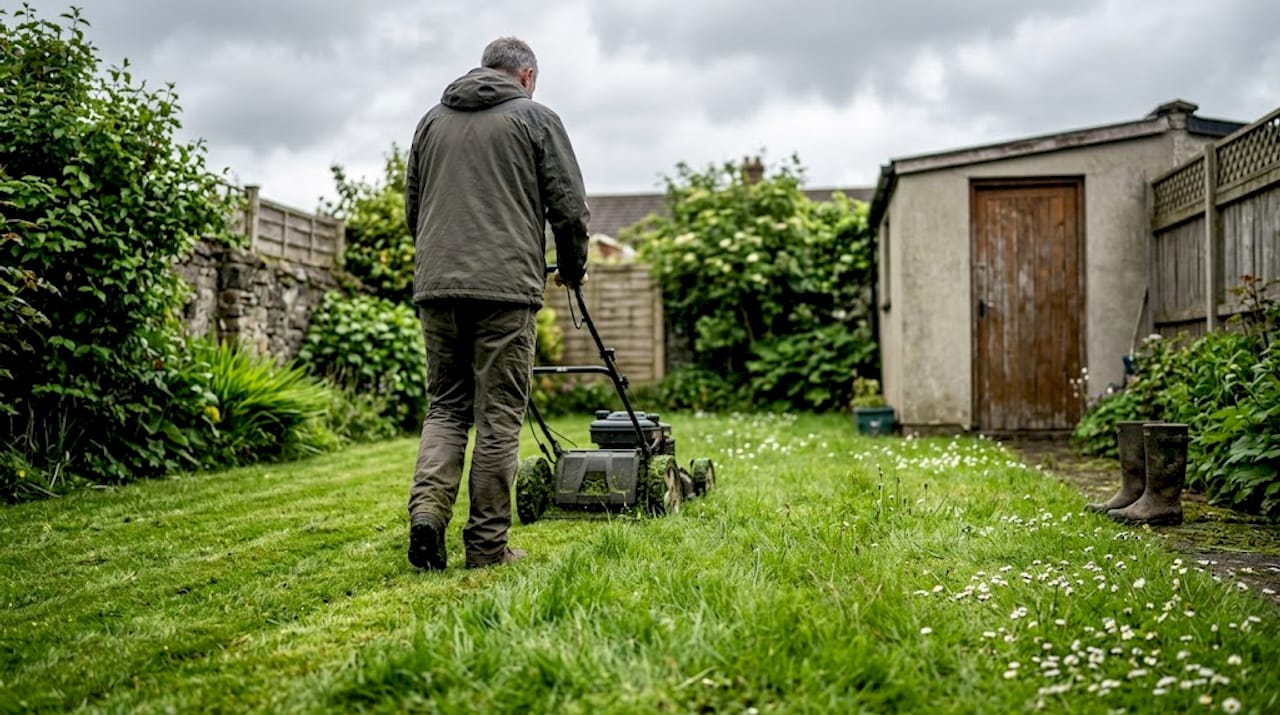
The one-third rule is essential. Never remove more than one-third of the grass blade in a single mow. Cutting too short stresses the lawn, encourages weeds, and makes recovery slower in wet conditions.
For pruning, the ANSI A300 standard provides a useful benchmark. It focuses on making clean cuts that promote healing and reduce disease entry points. This matters especially for trees and larger shrubs on Dublin properties.
Pro Tip: Keep a simple maintenance log. Recording what was done and when helps you spot patterns, plan ahead, and demonstrate care to buyers or tenants if needed.
The groundskeeping essentials that make the biggest difference are often the simplest: consistent mowing, timely pruning, and seasonal cleanups. Skipping these creates a backlog that costs more to fix later. A clear schedule helps you streamline maintenance and avoid reactive, expensive interventions.
Expert approaches: Sustainable and compliant in Dublin
Professional landscaping maintenance goes beyond showing up with a lawnmower. Experienced teams use standard operating procedures (SOPs) to ensure consistency across every visit. SOPs for consistency mean that sustainable IPM, which prioritises cultural and biological solutions first, delivers better long-term results than DIY approaches.
IPM stands for integrated pest management. It means monitoring for problems, using prevention first, and only reaching for chemical treatments as a last resort. This approach aligns well with Dublin's environmental regulations and the growing preference among property owners for sustainable care.
Here is a comparison of the main approaches:
| Approach | Cost | Sustainability | Long-term results |
|---|---|---|---|
| DIY basic care | Low | Variable | Inconsistent |
| Chemical-heavy treatment | Medium | Poor | Short-term only |
| Integrated pest management | Medium to high | Excellent | Strong and lasting |
| Professional SOP-led care | Higher upfront | Excellent | Best overall ROI |
The organic pest management approach confirms that chemical-heavy methods often create resistance over time, meaning you need more product for the same result. IPM avoids this cycle entirely.
For improving curb appeal and long-term value, low-maintenance garden designs tend to offer the best return. Native plants, simple lawn areas, and clean borders require less intervention and look good year-round. Extensive hardscaping, by contrast, often delivers lower ROI because it is expensive to install and can look dated quickly.
Pro Tip: Choose plants native to Ireland wherever possible. They are better adapted to Dublin's rainfall and soil, need less intervention, and support local biodiversity.
Local expertise also matters for compliance. Dublin has specific rules around tree preservation orders, boundary hedges, and planning permissions for significant landscaping changes. A professional team familiar with sustainable BMPs will keep your property on the right side of these regulations without you needing to research them yourself.
Maximising value and avoiding common pitfalls
Knowing what works is only half the battle. Avoiding common mistakes is equally important, especially in Dublin's wet climate.
Drainage is the single biggest issue for Dublin gardens. Dublin's wet climate demands a drainage focus. Waterlogged soil compacts easily, suffocates grass roots, and creates ideal conditions for moss and fungal disease. If your lawn stays soggy after rain, aeration and improved drainage should be your first priority.
"In Dublin, the biggest enemy of a healthy garden is not neglect alone. It is neglect combined with persistent moisture."
Here are the most common mistakes to avoid:
- Mowing wet grass, which tears blades and compacts soil
- Over-fertilising in autumn, which promotes soft growth vulnerable to frost
- Ignoring drainage, allowing waterlogging to damage roots and paving
- Cutting hedges at the wrong time, disturbing nesting birds and risking legal issues
- Skipping seasonal cleanups, which allows disease and pests to overwinter
For a practical action plan, follow these steps to add tangible market value to your property:
- Schedule a professional assessment to identify drainage or structural issues
- Set up a regular mowing and edging programme from March to October
- Plan spring and autumn cleanups with pruning and mulching
- Introduce native planting to reduce ongoing maintenance costs
- Keep records of all work carried out for valuation or letting purposes
Pro Tip: Before listing a property for sale or letting, invest in a single professional tidy-up. The return on that one visit, in terms of first impressions, almost always exceeds the cost.
Choosing a local expert matters. They understand Dublin's soil types, rainfall patterns, and local regulations. Following seasonal landscaping tips tailored to the Irish climate will always outperform generic advice. For boosting curb appeal specifically, consistent professional care beats one-off expensive interventions every time.
A fresh perspective: What really elevates landscaping maintenance in Dublin
Here is something that often surprises property owners: the most effective landscaping maintenance is rarely the most expensive or elaborate. In our experience working with Dublin properties, the biggest gains come from simple, consistent routines carried out well, not from costly redesigns or trend-driven planting schemes.
We see it regularly. A homeowner invests heavily in new paving or a feature garden, then neglects weekly mowing and seasonal pruning. Within a season, the property looks worse than before the investment. The expert landscaping results that genuinely move the needle come from reliable, evidence-based care repeated week after week.
In a wet climate like Dublin's, consistency is not just good practice. It is essential. Moss, weeds, and overgrowth move fast here. A two-week gap in care during peak growing season can set a garden back significantly. What truly elevates a property is not a grand gesture. It is a professional team that shows up, follows a clear plan, and adapts to what the season demands.
Transform your property with professional care
You now have a clear picture of what landscaping maintenance involves, why it matters for Dublin properties, and how to avoid the mistakes that cost homeowners and managers money. The next step is putting that knowledge into action.
At Sherry Property Care, we provide reliable, professional landscaping maintenance for homes and managed properties across Dublin. From weekly lawn care and seasonal cleanups to hedging, planting, and grounds management, we handle it all with attention to detail. Our team understands Dublin's climate, local regulations, and what it takes to keep your property looking its best year-round. Get in touch today for a free quote and find out how straightforward it is to protect and grow the value of your property.
Frequently asked questions
How often does a Dublin property need landscaping maintenance?
Most Dublin properties benefit from weekly basic tasks such as mowing, edging, and weeding, plus seasonal deep maintenance in spring and autumn for optimal results.
What is the one-third rule for mowing lawns?
The one-third mowing rule means you should never remove more than one-third of the grass height in a single mow, which keeps the lawn healthy and reduces stress on the roots.
Why is integrated pest management (IPM) preferred in Dublin?
IPM prioritises prevention over chemicals, using monitoring and biological solutions first, which suits Dublin's environmental regulations and delivers better long-term results.
How does Dublin's weather affect landscaping maintenance?
Frequent rain and heavy soils mean drainage and pruning are critical priorities, and choosing plants suited to Irish conditions is essential for long-term success.