TL;DR:
- Dublin landlords face key maintenance issues like damp, mould, heating failures, and plumbing leaks that require proactive management to avoid legal and financial risks. Regular inspections, compliance with SI 137/2019 standards, and thorough documentation are essential for protecting property value and tenant safety. Implementing scheduled maintenance routines helps prevent costly repairs and ensures legal compliance in Dublin's challenging climate.
The most common maintenance issues Dublin landlords face include damp and mould, heating system failures, plumbing leaks, and electrical faults. These are not minor inconveniences. Under SI 137/2019, Irish rental properties must meet minimum standards across structure, heating, ventilation, electrical safety, and sanitation. Failing to address these issues exposes you to RTB tribunal rulings, costly emergency repairs, and unhappy tenants. A Thumbtack 2026 study found that 94% of homeowners noticed maintenance issues in the past year, with roughly 25% dealing with repairs every single month. That figure tells you one thing clearly: reactive maintenance is the norm, and it costs far more than planned upkeep.
1. Structural cracks and subsidence
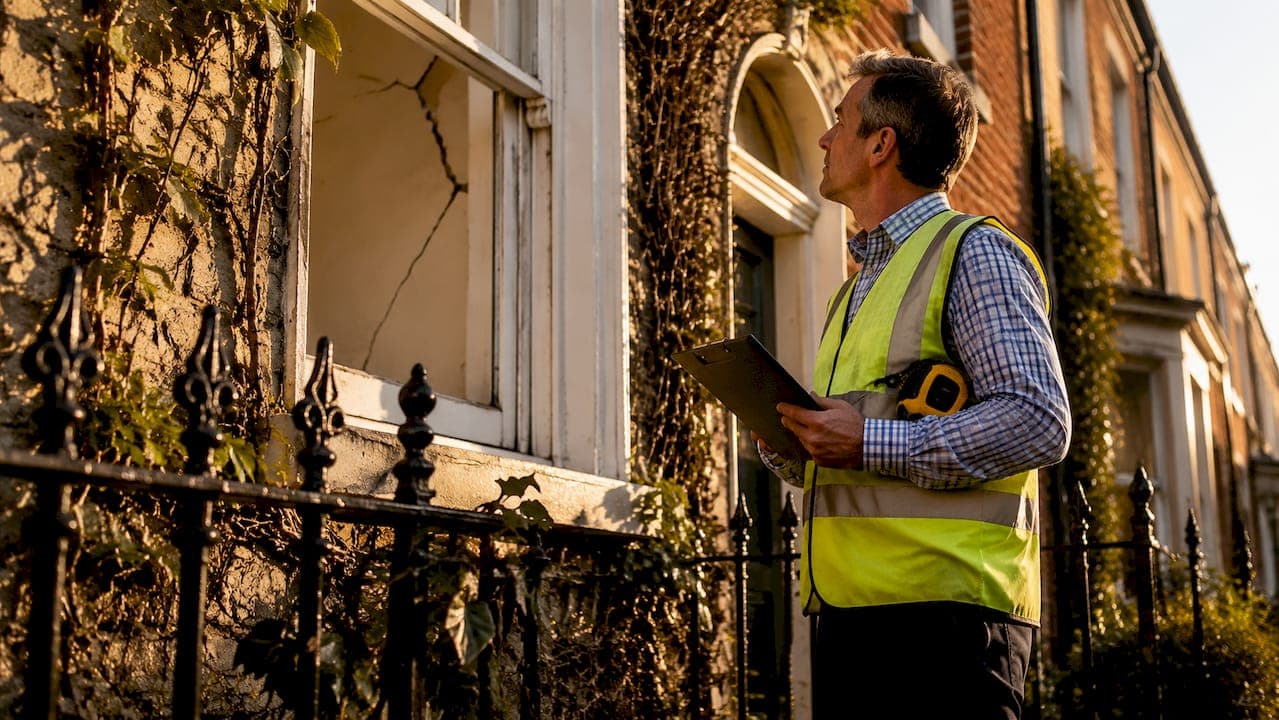
Structural integrity is the foundation of every landlord maintenance responsibility in Dublin. Cracks in walls, ceilings, or around window frames are often the first visible sign of movement in the building fabric. In Dublin, older terraced and semi-detached properties are particularly susceptible to subsidence caused by clay-rich soils that shrink during dry summers and expand in wet winters.
Not every crack signals a serious problem. Hairline cracks in plaster are common and cosmetic. Diagonal cracks running from window corners, or cracks wider than 5mm that grow over time, require a structural engineer's assessment. Ignoring them does not make them cheaper. Delaying repairs routinely turns a manageable fix into structural damage that costs multiples more to resolve.
2. Damp and mould
Damp and mould are the most litigated maintenance issues in the Irish rental sector. The RTB awarded tenants €5,000 in a 2025 Dublin case where a landlord failed to resolve persistent mould and damp over several years. That ruling underlines a clear principle: surface treatment is not remediation.
Damp enters properties through three routes: rising damp from the ground, penetrating damp through walls or roofs, and condensation caused by poor ventilation. Each requires a different fix. Rising damp needs a damp-proof course. Penetrating damp needs the external envelope repaired. Condensation needs improved airflow, not just a coat of anti-mould paint.
- Check external walls, window sills, and roof junctions for water ingress annually
- Inspect extractor fans in bathrooms and kitchens to confirm they are working
- Look for tide marks, peeling wallpaper, or a musty smell as early indicators
- Document all inspections and any remediation work carried out
Pro Tip: If mould reappears within weeks of treatment, the moisture source has not been fixed. Commission a professional damp survey before spending more on surface products. RTB tribunals expect documented diagnosis, not repeated cosmetic repairs.
3. Heating system failures
Heating is a statutory requirement under SI 137/2019. Every rental property in Dublin must have a fixed heating system capable of providing adequate warmth throughout the dwelling. A boiler that breaks down in January is not just an inconvenience. It is a legal obligation that must be resolved promptly.
Common heating faults include:
- No heat or hot water due to a failed boiler or faulty thermostat
- Cold radiators caused by air locks or sludge build-up in the system
- Pilot light failures on older gas boilers
- Pressure drops indicating a leak or expansion vessel fault
Plumbing and HVAC repairs are predominantly demand-led, meaning most landlords only call a contractor when something stops working. The smarter approach is an annual boiler service by a Registered Gas Installer (RGI), which catches faults before they become failures. Keep service records on file. They are evidence of compliance if a tenant raises a complaint with the RTB.
Pro Tip: Ask your heating contractor to flush the radiators and check system pressure at every annual service. Sludge build-up is the single most common cause of inefficient heating in Dublin's older housing stock, and it is cheap to prevent but expensive to fix once it causes pump failure.
4. Plumbing leaks and blocked drains
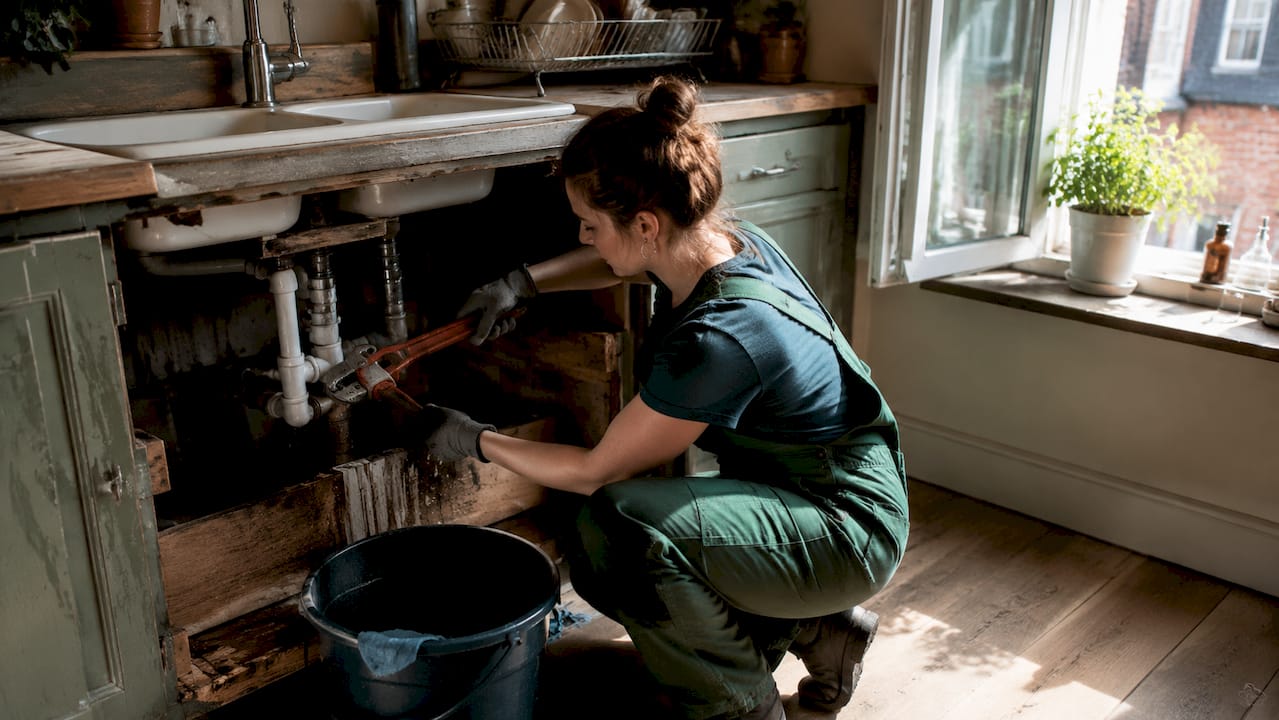
According to the Housecall Pro 2026 report, plumbing jobs are 87% repair work rather than installation. That ratio reflects how often plumbing problems are left until they become urgent. For Dublin landlords, the most frequent plumbing issues are leaking pipes, dripping taps, blocked drains, and faulty stop valves.
Here is a practical order of priority for routine plumbing upkeep:
- Inspect under-sink pipework and around toilet bases for slow leaks at every property visit
- Test the stop valve annually to confirm it turns off the water supply fully
- Clear external drain gullies before autumn to prevent blockages from leaf fall
- Check water pressure at taps and showers. Low pressure often signals a hidden leak or a failing pump
- Replace washers on dripping taps immediately. A dripping tap wastes thousands of litres per year and signals worn fittings that will fail completely
Landlords must promptly repair safety defects including persistent damp, no hot water, and dangerous plumbing. A small leak behind a wall can cause structural damage and mould growth within weeks. Catching it early is always the cheaper outcome.
5. Electrical faults and compliance
Electrical safety is non-negotiable in any maintenance checklist for Dublin landlords. Common electrical problems in rental properties include overloaded circuits, damaged sockets, outdated consumer units without RCD protection, and exposed or deteriorating wiring.
Electrical certificate renewal is one of the most common causes of failed property inspections in Ireland. SI 137/2019 requires that all fixed electrical installations are safe and in good repair. Only a qualified electrician registered with RECI (Register of Electrical Contractors of Ireland) or Safe Electric should carry out inspection and certification work.
Key electrical checks for landlords:
- Confirm the consumer unit has RCD protection on all circuits
- Check all sockets and switches for signs of scorching, cracking, or loose fittings
- Test smoke alarms and carbon monoxide detectors at every tenancy change
- Keep a copy of the current Periodic Inspection Report (PIR) on file
- Replace any round-pin sockets or rewirable fuses, which indicate pre-1980s wiring
Never allow tenants to use extension leads as permanent wiring solutions. It is a fire risk and a liability.
6. Ventilation deficiencies
Poor ventilation is the underlying cause of a large proportion of condensation and mould complaints in Dublin rental properties. SI 137/2019 requires adequate ventilation in all habitable rooms. In practice, this means working extractor fans in bathrooms and kitchens, trickle vents in windows, and sufficient air exchange throughout the dwelling.
Older Dublin properties, particularly Victorian and Edwardian terraces, were built with open fireplaces that provided natural ventilation. When those fireplaces are sealed without a replacement ventilation strategy, condensation levels rise sharply. Fitting a positive input ventilation (PIV) unit is a cost-effective solution for properties with persistent condensation problems.
7. Appliance maintenance
Appliances provided by the landlord are the landlord's responsibility to maintain. Cookers, fridges, washing machines, and dishwashers all require periodic attention. The Housecall Pro 2026 report shows that appliance jobs are 96% repair work, confirming that most landlords wait for failure rather than scheduling checks.
A practical approach is to inspect all provided appliances at the start and end of each tenancy. Check that cooker hobs ignite, oven thermostats function, and fridge seals are intact. A fridge with a broken seal runs continuously, increases electricity bills, and fails within months. These are small checks that prevent larger costs.
8. Fire safety equipment
Fire safety is a statutory requirement and a moral one. Every Dublin rental property must have working smoke alarms on each floor and a carbon monoxide detector in any room with a fuel-burning appliance. Fire blankets must be provided in kitchens. These items cost very little to maintain and replace. The consequences of neglecting them are severe.
Test alarms at every inspection visit. Replace batteries annually. Replace the units themselves every ten years, or immediately if they fail a test. Keep a written record of every test. If a fire occurs and you cannot demonstrate that alarms were maintained, your insurance position and legal liability are both compromised.
9. Grounds and exterior upkeep
The exterior of a property is the first thing tenants, neighbours, and inspectors see. Overgrown hedges, blocked gutters, cracked pathways, and deteriorating boundary walls all signal neglect and can cause real damage. Blocked gutters are a direct cause of damp penetration. Cracked pathways create trip hazards and liability. Overgrown vegetation against walls traps moisture and accelerates decay.
Seasonal maintenance of grounds and exterior surfaces is one of the most cost-effective ways to protect property value in Dublin. Clearing gutters twice a year, trimming hedges, and maintaining hard surfaces prevents the kind of compound damage that leads to expensive structural repairs.
Key takeaways
Proactive maintenance aligned with SI 137/2019 is the most cost-effective way for Dublin landlords to protect property value, retain good tenants, and avoid RTB liability.
| Point | Details |
|---|---|
| Damp and mould carry legal risk | RTB tribunals award compensation where landlords fail to diagnose and remediate properly. |
| Heating compliance is statutory | Annual RGI boiler servicing and documented records are required under SI 137/2019. |
| Plumbing repairs are mostly reactive | Scheduling routine inspections catches leaks before they cause structural or mould damage. |
| Electrical certification prevents failures | Keeping a current PIR on file and using RECI-registered electricians protects against inspection failures. |
| Grounds upkeep prevents structural damage | Blocked gutters and overgrown vegetation are direct causes of damp ingress and decay. |
What I have learned managing Dublin properties over the years
Most landlords I speak with in Dublin treat maintenance as something that happens to them rather than something they control. A boiler breaks, they call someone. A tenant reports mould, they send a painter. That reactive pattern is understandable, but it is also the most expensive way to manage a property.
The Synchrony 2026 study found that property owners underestimate lifetime maintenance costs by more than €250,000. That gap exists almost entirely because people do not account for the compounding effect of deferred repairs. A €200 gutter clearance prevents a €4,000 damp remediation. A €150 boiler service prevents a €2,500 emergency replacement in February.
What actually works is a structured schedule. I recommend Dublin landlords divide their maintenance checklist into three categories: annual checks (boiler service, electrical inspection, gutter clearance), biannual checks (appliance testing, drain inspection, exterior review), and tenancy-change checks (smoke alarms, stop valve, all fixtures and fittings). That structure means nothing is forgotten and everything is documented.
The RTB cases I have seen go badly for landlords share one common feature: no records. No inspection logs, no service receipts, no written responses to tenant complaints. Documentation is not bureaucracy. It is your defence. Start keeping it now if you are not already.
Dublin's wet climate makes this city harder on buildings than most. Water finds every weakness. The landlords who manage their properties well are the ones who treat water as the primary threat and build their maintenance routine around stopping it at every point of entry.
— gerard
How Sherrypropertycare supports Dublin landlords
If grounds maintenance and exterior upkeep are on your list of repairs to address, Sherrypropertycare is ready to help. Based in Dublin, Sherrypropertycare provides professional grounds maintenance for residential and commercial properties, covering lawn care, hedge trimming, landscaping, and general exterior upkeep.

Keeping the exterior of your rental property in good order protects the structure, improves kerb appeal, and signals to tenants that the property is well managed. Sherrypropertycare offers customised quotes tailored to your property's specific needs. Send a photo of your grounds and get a quote that fits your schedule and budget. Contact Sherrypropertycare today to get started.
FAQ
What are the most common maintenance issues in Dublin rental properties?
The most frequent issues are damp and mould, heating system failures, plumbing leaks, electrical faults, and poor ventilation. These categories align directly with the minimum standards set out in SI 137/2019.
How often should a landlord service a boiler in Ireland?
A boiler should be serviced annually by a Registered Gas Installer (RGI). Annual servicing is both a legal requirement under SI 137/2019 and the most reliable way to prevent emergency breakdowns.
What happens if a Dublin landlord ignores damp and mould complaints?
The RTB can award compensation to tenants where damp and mould are left unresolved. In one 2025 case, a Dublin landlord was ordered to pay tenants €5,000 in compensation for years of unaddressed mould.
How can landlords reduce long-term maintenance costs?
Scheduling proactive property upkeep rather than waiting for failures is the most effective cost-reduction strategy. Routine inspections catch small faults before they become expensive structural or safety problems.
Do landlords need to keep records of maintenance work?
Yes. Documented records of inspections, servicing, and repairs are your primary evidence of compliance if a tenant raises a complaint with the RTB or if a property inspection is carried out by a local authority.