TL;DR:
- Proper outdoor maintenance boosts Dublin property values by 10-15% through improved curb appeal.
- Regular, professional upkeep prevents costly repairs and enhances long-term property condition.
- Addressing Dublin-specific challenges like drainage and clay soils ensures outdoor spaces remain healthy and attractive.
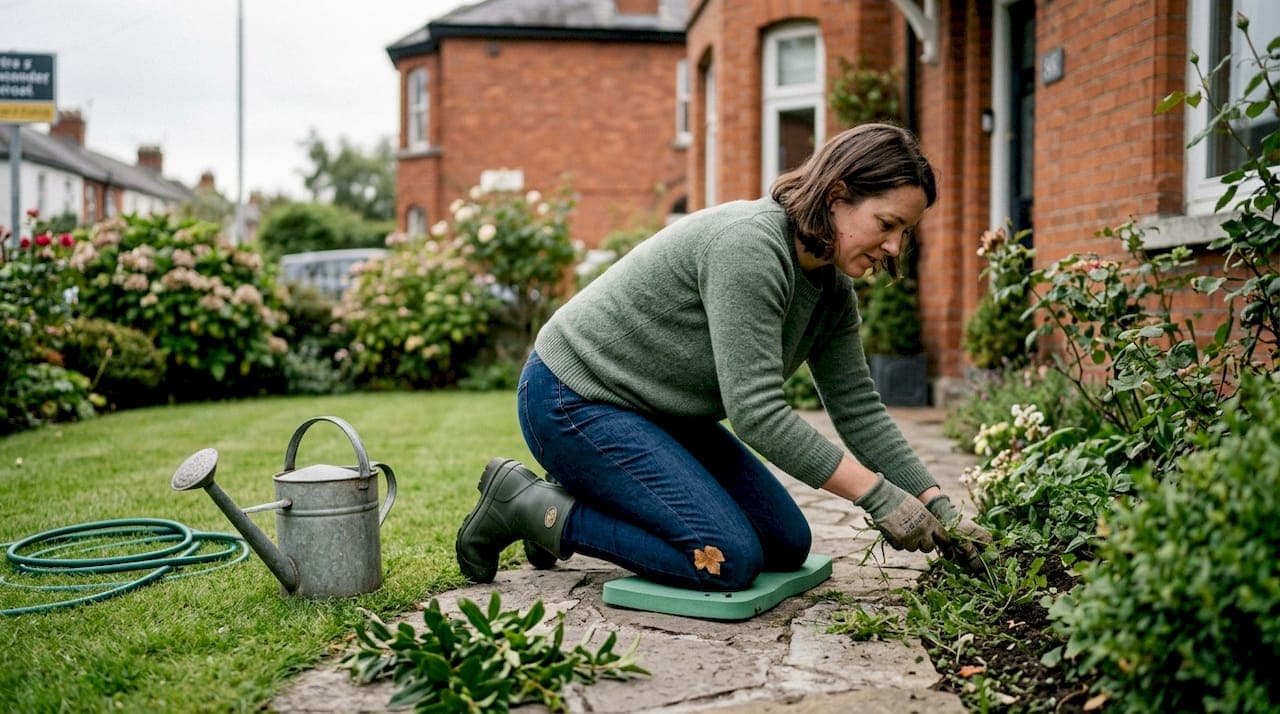
Most Dublin property owners spend money upgrading kitchens and bathrooms while their front gardens quietly drag down their property's value. That's a missed opportunity. Landscaping investment can yield a 10-15% increase in property value, yet outdoor upkeep is still treated as an afterthought by many homeowners and managers. A well-maintained exterior creates the first impression that buyers, tenants, and visitors form before they ever step inside. Professional outdoor maintenance is not just about appearances. It prevents costly problems, builds marketability, and keeps your property competitive in Dublin's active real estate market.
Table of Contents
- Why outdoor space upkeep matters for Dublin properties
- Core methodologies for effective outdoor maintenance
- Best practices: Smart planning and sustainable choices
- Addressing common Dublin-specific challenges
- What most property owners miss about professional upkeep
- Take the next step toward exceptional outdoor spaces
- Frequently asked questions
Key Takeaways
| Point | Details |
|---|---|
| Boosts property value | Regular outdoor upkeep can increase your Dublin home's value by up to 15 percent. |
| Prevents costly issues | Routine maintenance stops small exterior problems from turning into expensive repairs. |
| Requires smart planning | Using sustainable landscaping and professional SOPs delivers long-term savings and curb appeal. |
| Climate-specific solutions | Tailored strategies for drainage and plant selection are vital for Dublin's wet weather. |
Why outdoor space upkeep matters for Dublin properties
First impressions are formed in seconds. A tidy lawn, clean pathways, and well-trimmed hedges signal that a property is cared for. That signal matters to buyers, tenants, and neighbors alike. When the outside looks neglected, people assume the inside is too.
The financial case is just as strong. Consistent upkeep enhances resale value and reduces long-term costs by catching small issues before they become expensive repairs. A cracked path left untreated becomes a liability. Overgrown hedges blocking light reduce a property's appeal and can cause disputes with neighbors.
For property managers, the stakes are even higher. Consistent upkeep prevents costly fixes, boosts tenant morale, and reduces liability across managed sites. Tenants who feel proud of where they live stay longer. Lower turnover means fewer vacancy periods and less money spent on re-letting.
Dublin's wet climate adds another layer of urgency. Moss, algae, and waterlogging are real problems here. Without regular attention, surfaces deteriorate faster, soil becomes compacted, and drainage issues worsen over time. That is why professional care is not a luxury in Dublin. It is a practical investment.
Here is what well-maintained outdoor spaces deliver:
- Higher property value through improved curb appeal and long-term condition
- Lower repair costs by addressing minor issues before they escalate
- Better tenant retention through pride in the property's appearance
- Reduced liability by keeping paths, surfaces, and plantings safe
- Stronger marketability when listing or renting a property
"A property's exterior is its handshake. You only get one chance to make that first impression count, and outdoor upkeep is what keeps it strong year after year."
If you want to enhance property value or simply boost curb appeal, consistent outdoor maintenance is the most reliable path forward.
Core methodologies for effective outdoor maintenance
Professionals do not just show up and mow. They follow structured approaches that keep properties in top condition year-round. Understanding these methodologies helps you ask the right questions and set the right expectations.
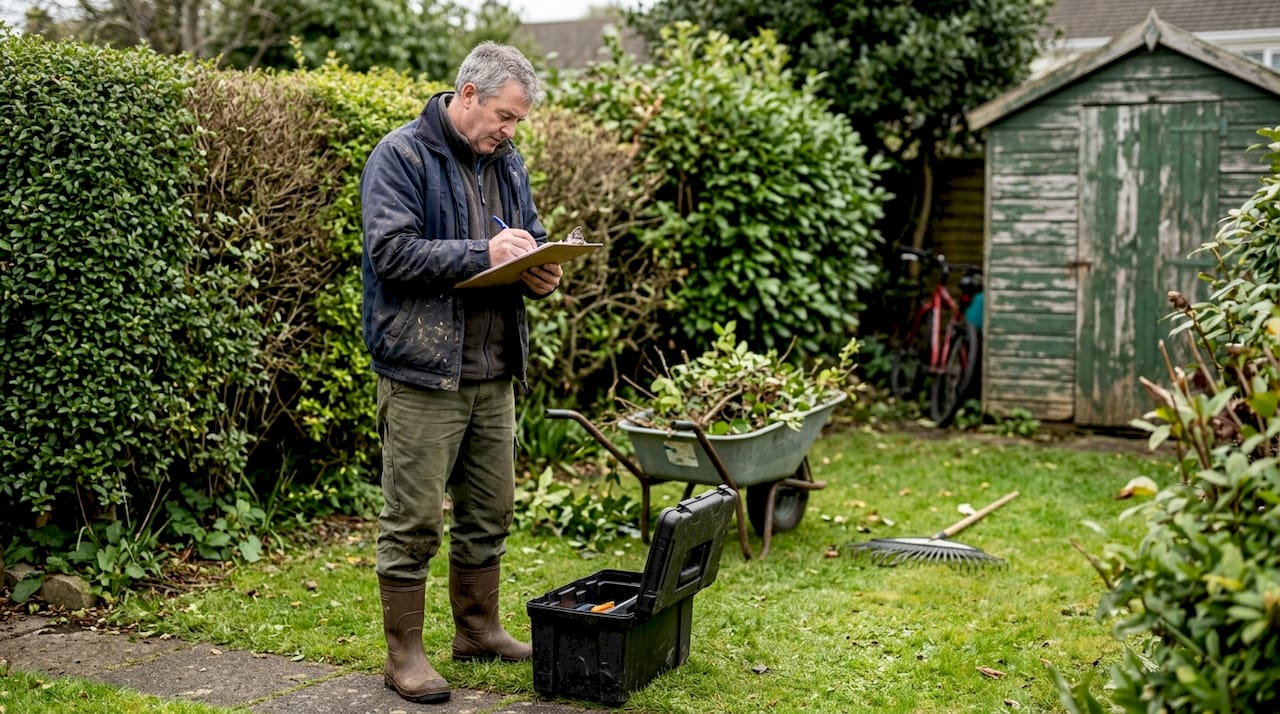
Key methodologies include preventive, corrective, condition-based, and predictive maintenance, each serving a different purpose in a well-run maintenance program.
| Methodology | What it means | Dublin example |
|---|---|---|
| Preventive | Regular tasks that stop problems forming | Monthly lawn mowing, seasonal pruning |
| Corrective | Fixing issues after they appear | Repairing a damaged hedge, clearing blocked drains |
| Predictive | Planning based on weather and season | Pre-winter mulching, post-storm cleanup |
| Condition-based | Acting when inspection reveals a need | Treating moss after a wet spell |
A typical seasonal schedule for Dublin properties looks like this:
- Spring: Lawn aeration, fertilizing, planting new beds, pruning winter-damaged shrubs
- Summer: Regular mowing, irrigation checks, weed control, hedge trimming
- Autumn: Leaf clearance, mulching, soil preparation, late planting
- Winter: Path safety checks, drainage monitoring, protective mulching for tender plants
Some property managers use CMMS tools (computerized maintenance management systems) to schedule and track outdoor tasks. These platforms log completed work, flag upcoming jobs, and keep records that are useful for insurance and property audits.
Pro Tip: Set a recurring calendar reminder for a seasonal walkthrough of your property. Even a 15-minute check every three months helps you spot issues before they become expensive.
Exploring preventive care explained in more detail gives you a clearer picture of what a professional service covers. For those managing multiple sites, maintenance scheduling strategies can help you build a system that works at scale.
Best practices: Smart planning and sustainable choices
Knowing the methods is one thing. Applying them well is another. The best outdoor maintenance programs share a few common traits: they are consistent, sustainable, and built around the specific needs of the property.
SOPs, audits, sustainable plant selection, and efficient irrigation are best practices that separate high-performing maintenance programs from reactive, costly ones. Standard operating procedures (SOPs) are written guides that ensure every team member performs tasks the same way, every time. They remove guesswork and make quality consistent.
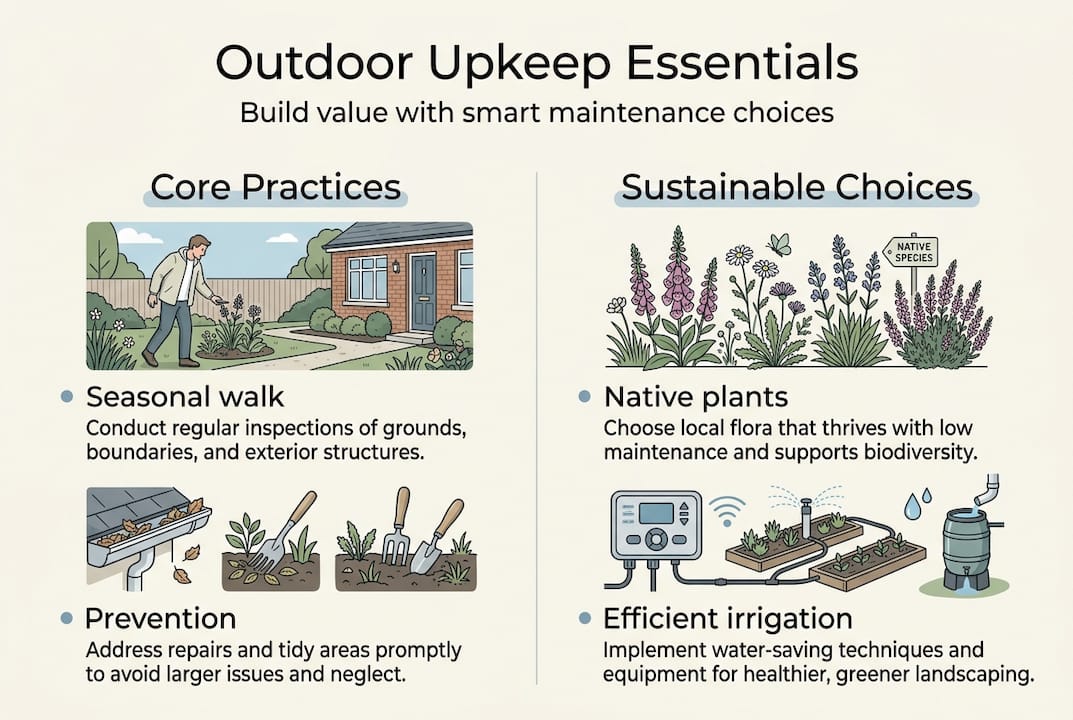
The "right plant, right place" principle is one of the most practical ideas in outdoor maintenance. Choosing plants suited to Dublin's soil and rainfall means less watering, less fertilizing, and fewer plant losses. Using native plants and efficient irrigation improves sustainability and ROI over the long term.
Here is a quick reference for smart plant and maintenance choices:
| Practice | Benefit | Dublin relevance |
|---|---|---|
| Native plant selection | Lower maintenance, better survival | Suited to wet, mild Irish climate |
| Drip irrigation | Reduces water waste | Useful during dry spells in summer |
| Mulching | Retains moisture, suppresses weeds | Cuts maintenance time significantly |
| Seasonal audits | Catches issues early | Essential after Dublin's wet winters |
Regular audits and checklists are underused tools. A simple monthly walkthrough with a checklist catches drainage problems, dead plants, surface damage, and safety hazards before they escalate.
- Use a checklist for every visit to ensure nothing is missed
- Document issues with photos for easy follow-up
- Review plant health at the start of each season
- Check irrigation systems before summer and winter
Pro Tip: Ask your maintenance provider for a written SOP for your property. It protects you if staff changes happen and ensures quality stays consistent.
To streamline garden workflow and get practical home exterior tips, building these habits early saves significant time and money.
Addressing common Dublin-specific challenges
Dublin's climate is mild but wet. That combination creates specific challenges that generic maintenance advice does not always address. Knowing what to watch for puts you ahead of most property owners.
Drainage and weed control are essential for Dublin's wet conditions and clay soils. Waterlogging is the most common problem. When water sits on the surface or pools near foundations, it damages roots, encourages moss, and can affect structural elements over time.
Clay soils are widespread across Dublin. They hold water well but drain poorly and become compacted easily. Plants that thrive in well-drained soil will struggle and die in heavy clay without proper preparation. Amending clay soil with grit or organic matter takes time but pays off.
Here are the most common Dublin-specific challenges and how to handle them:
- Waterlogging: Install soakaways or French drains to redirect excess water away from planted areas and paths
- Clay soil: Improve drainage by adding grit, sand, or compost before planting; avoid working wet clay soil
- Moss and algae: Power wash hard surfaces annually and treat affected lawn areas with appropriate products
- Invasive weeds: Hand-weed young beds regularly; mulching suppresses new growth effectively
- Wrong plant choices: Consult a local expert before planting; choosing the wrong species costs money and effort
Pro Tip: If you notice standing water after heavy rain, act within the same season. Waiting until the following year allows the problem to worsen and increases the cost of fixing it.
For properties with large volumes of overgrowth or debris, understanding garden waste clearing is a practical first step. If your current setup is not working, exploring Dublin garden alternatives can open up better options suited to your property type.
What most property owners miss about professional upkeep
Here is something most people do not consider: DIY outdoor maintenance often costs as much as professional service once you factor in your time, the tools you need, and the mistakes you make along the way. Contrasts between DIY and professional services highlight the real value of expertise and scheduled attention.
The real gap is not cost. It is quality and consistency. A professional team knows how to handle Dublin's drainage quirks, select plants that survive Irish winters, and follow SOPs that keep results predictable. A homeowner doing it themselves is learning as they go, often on a property they cannot afford to get wrong.
For property managers especially, formalizing outdoor maintenance into a scheduled, documented program changes everything. It reduces reactive spending, protects against liability, and gives tenants a reason to stay. The professional landscaping ROI is clearest when you compare a managed property to one that relies on ad hoc fixes. The managed property holds its value. The other one quietly loses it.
Take the next step toward exceptional outdoor spaces
You now have a clear picture of what outdoor space upkeep involves, why it matters in Dublin, and how to approach it strategically. The next step is putting that knowledge into action.
Sherry Property Care works with Dublin homeowners and property managers to deliver meticulous garden and grounds maintenance tailored to each property. From lawn mowing and hedge trimming to drainage solutions and seasonal planting, the team handles the full scope of outdoor upkeep. You get consistent results, a healthier outdoor space, and a property that stands out in the market. Reach out today for a free quote and see what professional care looks like for your specific property.
Frequently asked questions
How does outdoor space upkeep increase my Dublin property's value?
Landscaping can increase value by 10-15% through improved curb appeal and better long-term condition. Consistent, professional maintenance keeps that value from eroding over time.
What are common mistakes in outdoor upkeep for Dublin homes?
Neglecting drainage, choosing high-maintenance or non-native plants, and over-watering are frequent errors that raise costs and reduce success. Wrong plant selection leads to high costs, and poor drainage accelerates property deterioration in Dublin's wet climate.
How much should I budget for professional outdoor maintenance in Dublin?
Monthly maintenance costs typically range from €50 to €300, depending on property size and service scope. Larger or more complex properties with drainage or landscaping needs will fall toward the higher end.
Is professional service really better than DIY for outdoor space upkeep?
Professionals provide reliable quality, time savings, and solutions to complex climate-related issues in Dublin. Comparable costs DIY vs pro become clear when you factor in your time, tools, and the cost of fixing avoidable mistakes.