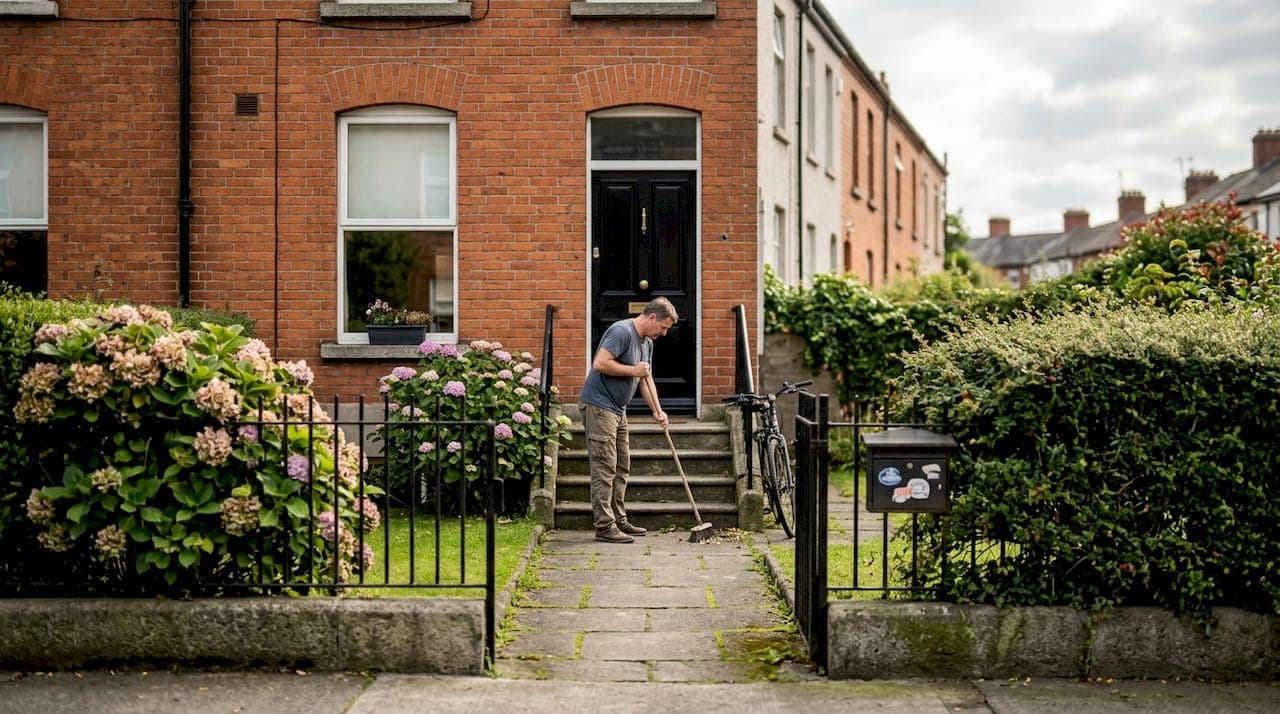
Most Dublin homeowners think property maintenance means calling a plumber when a pipe bursts or patching a fence after a storm. That narrow view costs money. Property maintenance is the ongoing care, repairs, and management that keeps properties functional, safe, visually appealing, and compliant with regulations. Done strategically, it does far more than prevent disasters. It actively builds property value, strengthens curb appeal, and protects your investment year after year. This article walks you through what property maintenance really covers, the types that matter most, how professionals manage it, and which outdoor projects deliver the strongest return.
Table of Contents
- What property maintenance really means
- Core types of property maintenance
- How professional property maintenance is managed
- Preventive vs. reactive maintenance: Cost, ROI, and property impact
- Boosting curb appeal and property value: Outdoor maintenance essentials
- Connecting with professional property maintenance services in Dublin
- Frequently asked questions
Key Takeaways
| Point | Details |
|---|---|
| Maintenance boosts property value | Strategic maintenance increases both safety and market appeal, driving higher ROI. |
| Preventive maintenance saves money | Prioritizing preventive tasks reduces emergency expenses and prolongs asset lifespan. |
| Outdoor upkeep maximizes curb appeal | Investing in landscaping and exterior care significantly enhances property value and attractiveness. |
| Professional service streamlines management | Expert help ensures efficient, compliant, and ongoing property maintenance tailored to Dublin needs. |
What property maintenance really means
Property maintenance is not a single task. It is a continuous cycle of care that touches every part of a building and its grounds. According to industry standards, property maintenance keeps properties functional, safe, visually appealing, and compliant with regulations. That definition covers a wide range of activities most people never connect to the term.
For Dublin homeowners and property managers, this includes:
- Routine cleaning of gutters, drains, and exterior surfaces
- Lawn mowing, hedge trimming, and garden upkeep
- Inspecting roofs, fencing, and paving for wear
- Power washing driveways, patios, and building facades
- Ensuring compliance with local safety and planning regulations
Dublin's wet, unpredictable climate makes this especially important. Moss builds up on paths, algae spreads across driveways, and soil erosion quietly damages garden edges. Ignoring these issues does not make them cheaper. It makes them worse.
"The difference between a property that holds its value and one that deteriorates is almost always the consistency of its maintenance program."
There is also an important distinction between operational maintenance and capital repairs. Operational maintenance covers recurring tasks like cleaning and servicing. Capital repairs are major one-off investments like replacing a roof. A solid property maintenance overview helps you understand where each task fits and how to budget accordingly. Predictive maintenance, which uses inspection data to anticipate failures before they happen, is the most advanced layer and is increasingly used by professional property managers. You can explore more in this rental property maintenance guide for a broader perspective on managing upkeep effectively.
Core types of property maintenance
Not all maintenance is the same. Routine, preventive, corrective, and emergency maintenance cover all property upkeep needs, and each plays a different role in keeping your property in top shape.
Here is how the four types break down:
- Routine maintenance covers regular, scheduled tasks like cleaning common areas, mowing lawns, and inspecting gutters. These happen on a fixed cycle regardless of whether anything looks wrong.
- Preventive maintenance is planned servicing designed to stop problems before they start. Think annual boiler checks, seasonal gutter clearing, and scheduled power washing.
- Corrective maintenance addresses issues discovered during inspections or reported by occupants. A cracked paving slab or a broken gate latch falls into this category.
- Emergency maintenance is urgent intervention when something fails suddenly, like a burst pipe, a fallen tree, or a collapsed fence panel after a storm.
| Maintenance type | Timing | Goal | Example |
|---|---|---|---|
| Routine | Fixed schedule | Consistency | Weekly lawn mowing |
| Preventive | Planned intervals | Prevent failure | Annual gutter clearing |
| Corrective | After discovery | Fix known issues | Repairing cracked paving |
| Emergency | Immediate | Limit damage | Storm damage response |
The ideal balance, according to BOMA benchmarks, is 65 to 80% preventive maintenance and 20 to 35% reactive. Most Dublin properties run this ratio in reverse, which is why unexpected repair bills feel so common. Shifting toward preventive maintenance scheduling is the single most effective change most property owners can make.
How professional property maintenance is managed
Professional property maintenance is not just about showing up with a lawnmower. It involves structured processes that ensure nothing gets missed and every task is prioritized correctly.
Assessment cycles, work order prioritization, PM scheduling, vendor management, and KPI tracking form the backbone of any professional maintenance operation. Here is what that looks like in practice.
Inspections happen on a regular cycle, typically monthly for exterior checks and quarterly for more detailed assessments. Work orders are then categorized by urgency: emergency tasks get same-day attention, urgent issues are addressed within 48 hours, and routine tasks are scheduled into the next available slot.
| Priority level | Response time | Example task |
|---|---|---|
| Emergency | Same day | Fallen tree on property |
| Urgent | Within 48 hours | Broken gate or damaged fence |
| Routine | Scheduled slot | Hedge trimming, lawn care |
Many professional firms use CMMS (Computerized Maintenance Management Systems) to automate scheduling, track work orders, and generate performance reports. CMMS automation and KPI tracking allow Dublin property managers to monitor completion rates, identify recurring issues, and demonstrate compliance to landlords or tenants. You can track PM completion over time to see exactly where your maintenance program is performing and where it needs attention.
Pro Tip: If you manage multiple properties, even a simple shared spreadsheet tracking inspection dates, task status, and vendor contacts will dramatically reduce missed maintenance and surprise costs. A structured urgent maintenance workflow ensures nothing urgent slips through the cracks.
For vendor management, the choice between outsourcing and in-house teams depends on property size and task complexity. Smaller Dublin properties typically benefit from outsourcing to specialists who bring the right equipment and expertise without the overhead. Learn more about best practices for preventive maintenance to see how professional firms structure their programs.
Preventive vs. reactive maintenance: Cost, ROI, and property impact
Here is where the numbers get interesting. Most property owners default to reactive maintenance because it feels cheaper. You only spend money when something breaks. But the data tells a very different story.
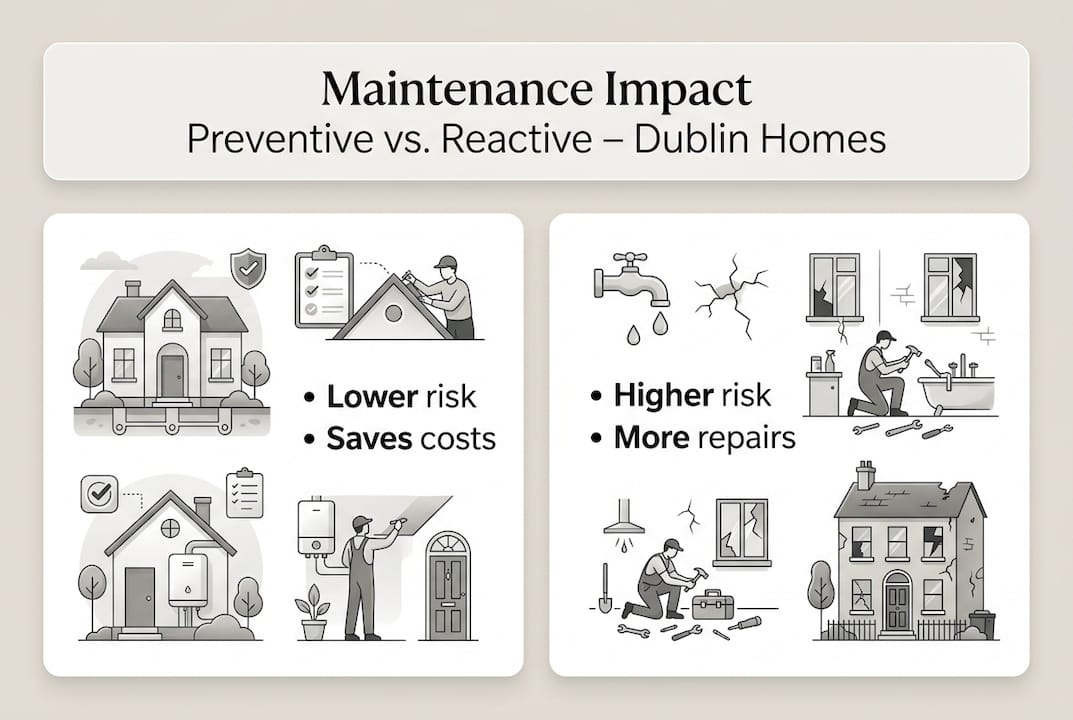
Preventive maintenance reduces costs 12 to 18%, delivers ROI up to 400%, extends asset life 25 to 40%, and cuts emergencies 40 to 60%. Reactive maintenance costs 25 to 30% more per repair on average. That gap compounds over time.
| Approach | Short-term cost | Long-term cost | Emergency risk |
|---|---|---|---|
| Preventive | Higher upfront | Significantly lower | Reduced by up to 60% |
| Reactive | Lower upfront | 25 to 30% higher per repair | Frequent and unpredictable |
For Dublin properties specifically, the weather argument is hard to ignore. Rain, wind, and temperature swings accelerate wear on gutters, roofing, paving, and garden structures. A preventive approach catches small issues, like a loose fence post or a blocked drain, before a winter storm turns them into expensive emergencies.
The recommended annual maintenance budget is 1 to 2% of your property's value. For a property worth €400,000, that is €4,000 to €8,000 per year. Spread across routine, preventive, and corrective tasks, that budget is very manageable and far less than a single major reactive repair.
Pro Tip: Track your cost savings comparison over 12 months by logging every repair cost and categorizing it as preventive or reactive. Most property owners are surprised to find reactive costs dominate their spending. Shifting even 20% of that budget to preventive tasks produces measurable savings within a year. For a deeper look at the numbers, this preventive maintenance ROI analysis breaks down the financial case clearly.
Boosting curb appeal and property value: Outdoor maintenance essentials
Outdoor maintenance is where property care becomes visible. It is the first thing buyers, tenants, and neighbors notice, and it has a direct, measurable impact on property value.
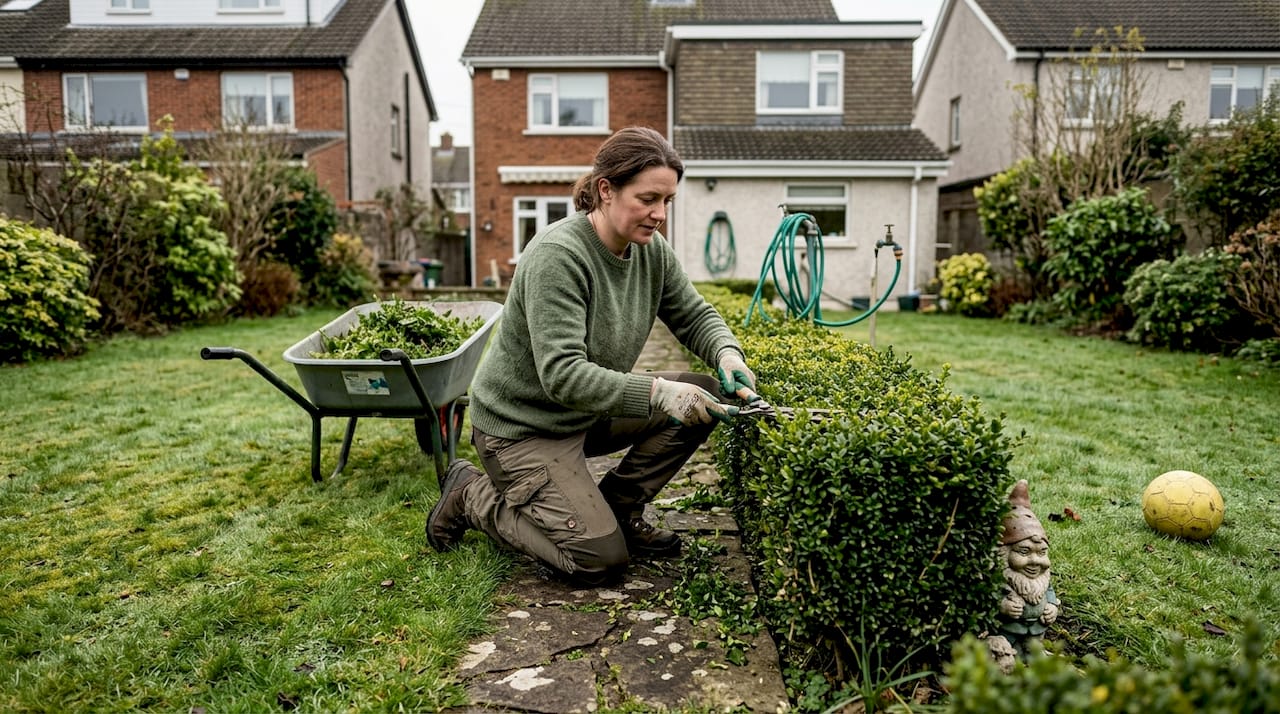
Landscaping boosts property value 10 to 20%, well-maintained exteriors add 7%, and lawn care delivers a 217% ROI. Those are not small numbers. They reflect how powerfully first impressions shape perceived value.
The highest-ROI outdoor projects for Dublin properties include:
- Lawn care and edging: Regular mowing, fertilizing, and edging keeps grass dense and green, which is the single highest-return outdoor investment.
- Hedge and shrub trimming: Neat, shaped hedges signal a well-managed property and frame the home attractively.
- Fencing repair and painting: A clean, solid fence adds privacy, security, and visual structure to any garden.
- Exterior lighting: Low-cost lighting along paths and entrances dramatically improves evening appeal and safety.
- Patio and driveway cleaning: Power washing removes moss, algae, and staining, instantly refreshing the look of hard surfaces.
- Planting and seasonal color: Strategic planting of hardy, weather-resilient species adds year-round visual interest.
Dublin's climate favors plants and surfaces that handle moisture well. Choosing the right species and materials from the start reduces long-term maintenance costs and keeps your property looking sharp through every season. Our exterior maintenance tips cover the most impactful upgrades for Dublin homes, and our groundskeeping details explain exactly what professional grounds care involves. For a practical look at how garden workflows are structured locally, the Dublin garden workflow guide is a useful resource.
Connecting with professional property maintenance services in Dublin
Understanding property maintenance is one thing. Executing it consistently, especially across a busy schedule or multiple properties, is another challenge entirely. That is where professional support makes a real difference.
At Sherry Property Care, we work with Dublin homeowners and property managers to deliver structured, reliable maintenance programs that protect property value and keep outdoor spaces looking their best. From lawn mowing and hedge trimming to power washing and surface preparation, our team handles the full range of grounds and exterior maintenance. We understand Dublin's climate, local regulations, and what buyers and tenants respond to. Whether you manage a single home or a portfolio of apartment complexes, we offer free quotes and flexible scheduling to fit your needs. Reach out today and let us build a maintenance plan that works for your property.
Frequently asked questions
What qualifies as property maintenance?
Property maintenance includes cleaning, repairs, inspections, landscaping, and ensuring compliance with local regulations for safety and appeal. It covers both interior and exterior upkeep on a continuous basis.
How often should preventive maintenance be performed?
Preventive maintenance should make up 65 to 80% of total activity, with monthly, quarterly, and annual tasks scheduled based on property type and condition. Consistency matters more than frequency alone.
What are the cost savings of preventive maintenance?
Preventive maintenance cuts costs 12 to 18%, extends asset life by 25 to 40%, and reduces emergency incidents by up to 60% compared to a purely reactive approach.
Which outdoor projects offer the best ROI on property value?
Lawn care leads with a 217% ROI, followed by landscaping, fencing, and exterior lighting. Buyers consistently pay more for properties with strong curb appeal and well-maintained outdoor spaces.