
TL;DR:
- Effective Dublin property maintenance requires organized systems and scheduled inspections to prevent costly repairs. Regular checks of interior and exterior elements, along with critical building systems, are essential for compliance and tenant satisfaction. Adopting a documented, proactive workflow and seasonal schedule protects investments and minimizes reactive costs.
Staying on top of property maintenance in Dublin is harder than it looks. The city's damp Atlantic climate accelerates wear on gutters, roofing, and exterior masonry at a rate most landlords underestimate until the repair bill arrives. A well-structured property maintenance checklist changes that. It shifts you from reacting to problems to preventing them, protects your investment, supports legal compliance, and keeps tenants satisfied. This guide gives you the practical, Dublin-focused framework you need to build and run an effective regular property maintenance checklist for both residential and commercial properties.
Table of Contents
- Key takeaways
- 1. What makes a property maintenance checklist effective
- 2. Interior maintenance tasks for Dublin properties
- 3. Exterior and grounds maintenance tasks
- 4. Building systems: fire, heating, drainage, and security
- 5. Reactive vs preventive vs routine: choosing the right approach
- 6. Building an effective property maintenance workflow
- 7. Seasonal maintenance schedule for Dublin properties
- My honest take on property maintenance checklists in Dublin
- How Sherrypropertycare supports Dublin property owners
- FAQ
Key takeaways
| Point | Details |
|---|---|
| Prevention beats reaction | Deferred maintenance costs 3 to 4 times more to fix than scheduled upkeep. |
| Organise by system and frequency | Grouping tasks by building system and time interval prevents anything slipping through. |
| Document everything | Timestamped records protect you during insurance claims and compliance audits. |
| Use digital tools | Facilities using dedicated maintenance software report completion rates above 90%. |
| Tailor to Dublin's seasons | Heating, insulation, gutters, and landscaping all need scheduling around Irish weather patterns. |
1. What makes a property maintenance checklist effective
Most landlords have some form of checklist. The problem is usually that it is either too vague or too rigid to be useful in practice. An effective property maintenance checklist explained properly is one that is organised by system, layered by frequency, and built with clear pass or fail criteria.
Grouping tasks by building system means you cover HVAC, plumbing, electrical, structural, and exterior as distinct categories rather than one long list. This matters because different tradespeople own different systems. Combining frequency and system-focused organisation ensures nothing falls through the gap between seasonal check-ins.
Layering tasks by frequency is equally important. Daily walkthroughs catch obvious hazards. Weekly checks monitor high-use areas. Monthly, quarterly, and annual tasks address deeper system inspections. Each level feeds into the next. A monthly plumbing check may flag a slow leak that, caught early, costs far less than the same leak discovered at an annual inspection.
Pass or fail criteria matter too. Vague instructions like "check gutters" leave too much to judgement. Specific criteria such as "gutter must drain within 60 seconds of a one-litre pour" remove subjectivity and make it easier to escalate when something fails.
Pro Tip: Build a simple escalation path into your checklist: every failed item should have a linked action, such as "log emergency request" or "schedule contractor within 48 hours". Without this, failed checks often just sit on a list.
2. Interior maintenance tasks for Dublin properties
The interior of any property carries the highest day-to-day risk for both tenant safety and landlord liability. Your interior property maintenance tasks list should cover the following at appropriate intervals.
- Test smoke and carbon monoxide detectors monthly. Replace batteries annually and units every ten years.
- Inspect all plumbing visible under sinks and around appliances quarterly. Look for discolouration, slow drains, and soft flooring around pipe connections.
- Replace HVAC filters every one to three months depending on usage and occupancy.
- Check all electrical outlets, switches, and visible wiring for scorch marks, flickering, or unusual warmth every six months.
- Inspect circuit breakers annually and arrange a certified electrical safety check every few years for compliance.
- Check attic insulation and roof void for moisture or pest activity each autumn before the heating season starts.
Daily quick-check walkthroughs that catch obvious hazards improve tenant satisfaction when done consistently. This does not need to be lengthy. A five-minute walkthrough of common areas and stairwells is enough for most residential properties.
Pro Tip: Keep a simple logbook for each property, either physical or digital, and record the date, result, and any follow-up for every interior check. This takes under two minutes per visit and protects you significantly during insurance disputes.
3. Exterior and grounds maintenance tasks
Dublin's weather is unforgiving on exterior finishes. Rain, wind, and temperature variation from season to season mean exterior maintenance cannot be left to chance. Your exterior tasks list should include the following.
- Inspect the roof after any significant storm and formally twice per year, in spring and late autumn.
- Clear gutters and downpipes fully in October and again in March to prevent blockages from leaf fall and winter debris.
- Maintain vegetation at least 12 inches from siding and 2 metres from rooflines to prevent physical damage and water ingress.
- Check exterior paint and masonry every spring for cracking, flaking, or signs of damp penetration.
- Inspect boundary walls, fences, and gates each year. Repair any movement or damage before winter.
- Clear pathways and driveways of moss, algae, and debris regularly to prevent slip hazards.
For commercial properties in Dublin, a strong exterior maintenance approach also covers car park lighting, drainage channels, and any shared boundary areas covered under lease agreements.
4. Building systems: fire, heating, drainage, and security
Systems maintenance tends to get deferred because it is invisible until something fails. These tasks are the highest-risk items on any property maintenance checklist 2026 and should never be treated as optional.
Fire safety systems require annual testing by a certified engineer. This includes fire alarms, emergency lighting, fire suppression systems, and extinguisher servicing. Irish fire safety regulations require records to be kept and made available on request.
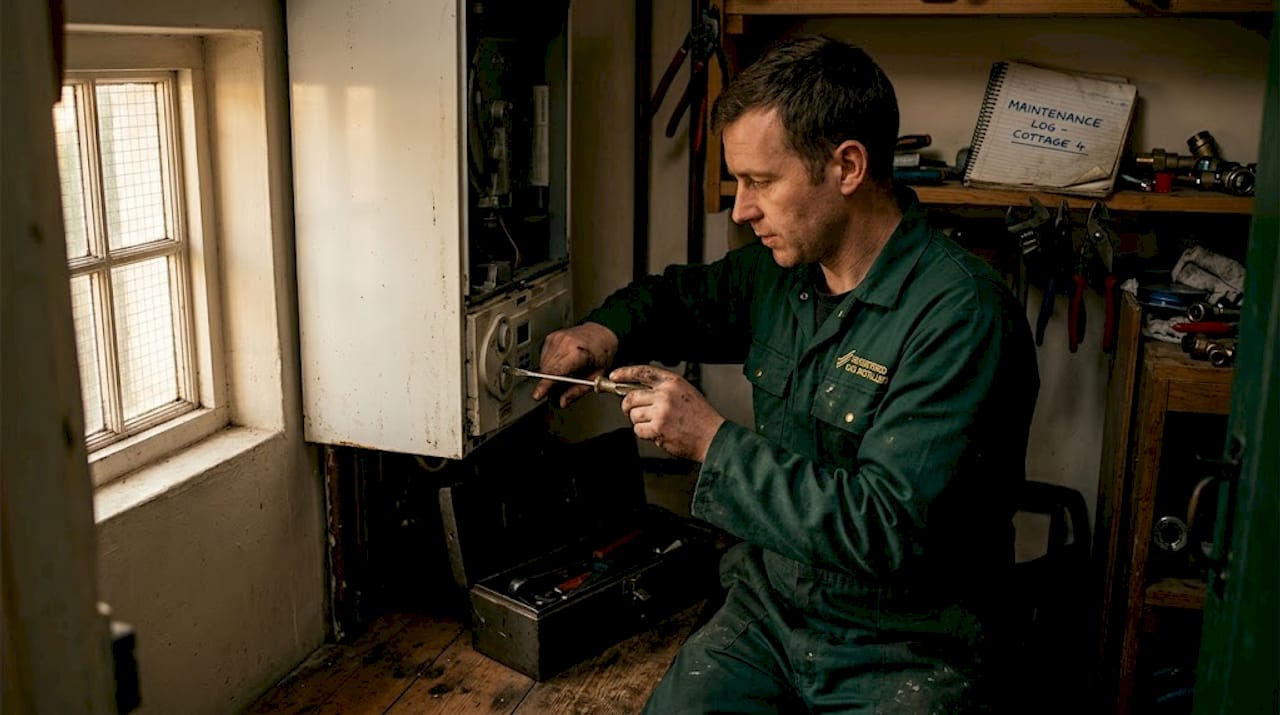
Heating systems should be serviced by a registered gas or oil technician every 12 months. In Dublin, this typically means before October. A boiler that has not been serviced heading into a cold winter is both a safety risk and a common cause of emergency callouts.
Drainage checks matter more in Dublin than many landlords realise. The city's ageing pipe infrastructure and heavy rainfall periods mean blocked drains escalate quickly. Check all external drain covers and gullies twice per year. Arrange a professional drain inspection if you notice pooling water or slow clearing after rain.
Security system checks, including access controls, CCTV, and alarm panels, should be tested quarterly and serviced annually.
5. Reactive vs preventive vs routine: choosing the right approach
Understanding the differences between maintenance approaches helps you build a genuinely useful property maintenance workflow rather than a reactive one.
| Approach | Definition | Cost implication | Best use case |
|---|---|---|---|
| Reactive | Fix it when it breaks | High. Emergency rates apply and damage compounds. | Minor cosmetic issues only. |
| Preventive | Scheduled inspections and servicing | Reduces repair costs by 12 to 18% annually and 40 to 60% over ten years. | All critical systems. |
| Routine | Regular small tasks for upkeep | Low to moderate. Spreads cost evenly. | Grounds, cleaning, lubrication. |
Reactive maintenance is a false economy. Every deferred maintenance dollar can cost three to four times as much in emergency repairs later. Most Dublin landlords who rely solely on reactive maintenance will have experienced this at least once, often with a boiler in January or a roof leak during a heavy autumn downpour.
Preventive maintenance, done properly, pays for itself. It extends the lifespan of expensive systems, reduces tenant complaints, and keeps your property in compliance with Irish rental standards. Combined with a routine maintenance programme for grounds and general upkeep, it forms the backbone of best practices for property upkeep.
6. Building an effective property maintenance workflow
A checklist without a workflow is just a list. The property maintenance workflow is how work actually gets done, tracked, and closed out properly. Effective workflows follow six stages: intake, triage, assignment, execution, verification, and closure.
- Intake. All requests, whether from tenants, inspections, or scheduled checks, must enter through a single channel. A dedicated email address, a tenant portal, or a digital form all work. Mixed channels, such as text messages, verbal reports, and emails, create gaps.
- Triage. Classify each incoming request: emergency (heating failure in winter), urgent (leak), standard (door mechanism), or scheduled (routine inspection). This shapes response times.
- Assignment. Match the task to the right person or contractor. Keep a current list of vetted tradespeople for each trade category relevant to your Dublin properties.
- Execution. The work gets done. At this stage, the person completing the work should photograph the before and after state and log any observations.
- Verification. Check that the work was completed to the required standard. For larger jobs, this may mean a separate inspection. For routine tasks, a signed off checklist entry is usually sufficient.
- Closure. Close the request formally with a timestamp and any supporting documents. This record becomes part of your maintenance history.
Centralised maintenance intake via a single digital channel reduces missed tasks and improves accountability across your portfolio. Timestamped photos and notes at every stage also improve dispute resolution and are invaluable during insurance or tenancy deposit disputes.
Pro Tip: Even if you manage only two or three properties, treat your workflow as if you manage twenty. The habits you build early save enormous time and stress as your portfolio grows.
7. Seasonal maintenance schedule for Dublin properties
Dublin's climate makes seasonal scheduling non-negotiable. The following breakdown gives you a clear regular property maintenance checklist by season.
| Season | Key tasks |
|---|---|
| Spring | Roof inspection, gutter clearing, exterior paint check, landscaping restart, HVAC service |
| Summer | Pest control, garden maintenance, pathway treatment, fence repairs, window seals check |
| Autumn | Heating service, insulation check, draught sealing, leaf clearance, drain inspection |
| Winter | Pipe lagging check, gutter monitoring, salt/grit pathways, boiler monitoring, security lighting check |
Seasonal tasks such as gutter cleaning, roof inspection, and heating servicing prepare Dublin properties specifically for the variable Irish climate and reduce weather-related damage significantly. Planning these tasks in advance, ideally on a fixed annual schedule, prevents the bottleneck of every landlord calling the same contractors at the same time in October.
For more detailed guidance on seasonal Dublin property care, structured month-by-month advice is available to help you plan across the full year.
Compliance-related inspections also have seasonal triggers. Fire alarm testing, electrical safety checks, and backflow preventer testing all need to appear in your calendar as fixed annual items. A maintenance checklist used as a risk management tool can prevent denied insurance claims and regulatory fines when records are kept consistently.
My honest take on property maintenance checklists in Dublin
I have worked with and observed property management across Dublin for long enough to say this plainly: most landlords are still running on a reactive model and telling themselves it is working. It is not. What they are actually doing is deferring risk, not managing it.
In my experience, the landlords who keep their costs under control are not necessarily the ones spending the most. They are the ones who have a documented system. They know when the boiler was last serviced. They have photographs from every inspection. They have a contractor list that is current. That structure is what separates a stressful portfolio from a manageable one.
I have also seen the damage that mixed communication channels cause. One tenant sends a text. Another emails. A third mentions something verbally during a visit. Six weeks later, one of those requests has been forgotten and the problem has tripled in cost. A single intake channel fixes this entirely.
The one thing I would add that most guides skip: view your checklist as a legal document as much as a task list. Proper documentation prevents insurance claim denials and protects you during tenancy disputes. In Dublin's current rental market, that protection is not optional.
— gerard
How Sherrypropertycare supports Dublin property owners

Keeping on top of grounds and exterior maintenance is often the first thing that falls behind when landlords are busy. Sherrypropertycare works with residential and commercial property owners across Dublin to take that off your plate entirely. From lawn care and hedge trimming to full grounds upkeep programmes, the team provides scheduled, high-quality maintenance tailored to each property.
If you want exterior maintenance that actually runs to a plan, rather than being fitted in when time allows, Sherrypropertycare offers customised quotes based on your property's specific needs. Take a look at the full range of property maintenance services available in Dublin and get in touch to discuss what works for you.
FAQ
What should a property maintenance checklist include?
A property maintenance checklist should cover interior systems (plumbing, electrical, HVAC, fire safety), exterior elements (roof, gutters, masonry, landscaping), and all compliance-related inspections. Tasks should be organised by frequency and building system.
How often should landlords carry out property maintenance checks?
Some checks are daily or weekly (walkthroughs, obvious hazards), others are monthly or quarterly (plumbing, detectors), and critical systems such as heating and fire safety require annual professional servicing.
What is the difference between reactive and preventive maintenance?
Reactive maintenance fixes problems after they occur, which typically costs three to four times more than scheduled preventive maintenance. Preventive maintenance uses regular inspections to catch issues early and reduce annual repair costs by 12 to 18%.
Why is documentation important in property maintenance?
Consistent maintenance records protect landlords during insurance claims, tenancy disputes, and regulatory inspections. Timestamped photos and notes at each stage provide a clear audit trail.
What seasonal maintenance tasks matter most in Dublin?
In autumn and winter, heating servicing, insulation checks, and gutter clearing are the highest priorities. In spring and summer, roof inspection, landscaping, and exterior paint checks keep properties in good condition ahead of the wetter months.