TL;DR:
- Reliable property care in Dublin requires consistent scheduling, local expertise, and proactive problem-solving to maintain soil health and drainage. Addressing unique climate and soil challenges through tailored routines prevents issues like moss, waterlogging, and compaction, thus preserving property value. Professional grounds maintenance enhances curb appeal, attracts tenants, and ensures long-term sustainability for your property investment.
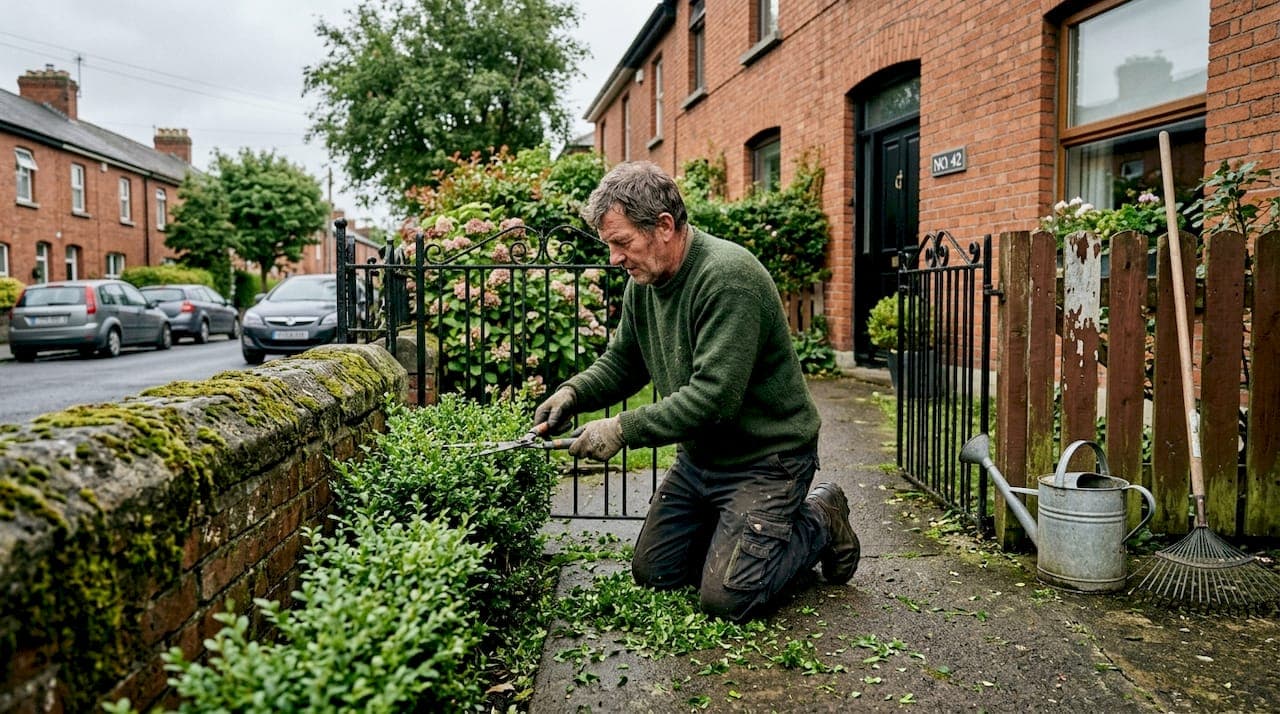
Most property owners assume that grounds maintenance is purely about appearances. Keep the lawn tidy, trim the hedges, and the job is done. But that thinking costs landlords money. Neglected soil health, poor drainage, and inconsistent routines quietly erode property value over time, make rentals harder to let, and create expensive repair bills down the line. Reliable property care goes much deeper than surface-level tidying. This guide walks you through what genuine, dependable grounds maintenance looks like in Dublin, covering best practices, local challenges, and what separates truly reliable care from a basic cut-and-go service.
Table of Contents
- Understanding reliable property care in Dublin
- Essential maintenance routines for Dublin properties
- Managing Dublin's unique property challenges
- How reliable property care increases value and appeal
- Why true reliability means moving beyond the basics
- Achieve reliability with professional property care
- Frequently asked questions
Key Takeaways
| Point | Details |
|---|---|
| Routine ensures reliability | Following scheduled maintenance tasks and checks delivers consistent results and reduces surprises. |
| Dublin-specific challenges | Moss, waterlogging, and clay soil issues require tailored approaches for effective property care. |
| Proactive care preserves value | Investing in reliable grounds care maximises a property’s kerb appeal and long-term value. |
| Expertise matters | Professional knowledge and adaptability help prevent costly mistakes and solve problems quickly. |
Understanding reliable property care in Dublin
Dublin has a climate that keeps property owners on their toes. Mild, wet winters followed by unpredictable summers mean your grounds face constant pressure from moisture, clay soils, and seasonal growth surges. Reliable property care in this context means more than just turning up regularly. It means showing up with the right knowledge, the right tools, and a plan tailored to your property.
So what does reliable actually mean here? It comes down to four core standards.
- Consistency: Tasks are carried out on a fixed schedule, not when it happens to be convenient.
- Quality checks: Each visit includes a visual inspection for emerging problems, not just the scheduled tasks.
- Communication: Your maintenance provider keeps you informed about issues they spot and solutions they recommend.
- Local expertise: Understanding Dublin-specific conditions, such as clay soil compaction and moss risk, and knowing how to handle them properly.
A reliable care routine covers groundskeeping explained in full: lawn mowing, edging, fertilisation, weed control, hedge and shrub trimming, seasonal clearance, and soil health management. Each element feeds into the next. For instance, scheduled landscaping ensures that tasks like aeration and fertilisation happen at the right time of year, not as an afterthought.
"Reliable care is not about doing more tasks. It is about doing the right tasks at the right time, with an eye on what your specific property needs."
Dublin lawn best practices include mowing weekly at 4 to 5 cm height, deep watering early morning or evening, slow-release nitrogen-rich fertilisers post-mowing, aeration for compacted soil, and seasonal treatments for weeds and moss. These are not optional extras. They are the foundation of a property that holds its value and stays attractive to tenants and buyers alike.
Essential maintenance routines for Dublin properties
With a clear understanding of what reliable property care entails, let us explore the specific routines every Dublin property should follow throughout the year.
The most common mistake landlords make is treating lawn care as a single task rather than a series of interconnected routines. Mowing incorrectly stresses the grass and opens the door to weeds. Skipping fertilisation leaves the soil nutrient-poor. Missing aeration on clay-heavy ground leads to surface waterlogging. Each gap creates a knock-on problem.
Here is a simple breakdown of essential tasks by frequency:
- Weekly (growing season, April to October): Mow at 4 to 5 cm height, edge lawn borders, remove surface debris.
- Fortnightly: Inspect hedges and shrubs for overgrowth, spot-treat visible weeds.
- Monthly: Apply slow-release nitrogen fertiliser post-mowing, check soil moisture levels, inspect drainage channels.
- Twice yearly (spring and autumn): Carry out full lawn aeration, overseed thin or bare patches, apply moss treatment as needed.
- Seasonally: Clear fallen leaves and organic debris, apply winter protection where relevant, complete a full grounds inspection before and after the wet season.
Understanding proper mowing height is particularly important in Dublin. Cutting too short stresses the grass and encourages moss to establish itself in weakened patches. The seasonal maintenance tips for each quarter of the year differ significantly, which is why a one-size-fits-all schedule rarely works.
Pro Tip: Never remove more than one-third of the grass blade in a single mow. Cutting more than this shocks the plant, weakens root systems, and creates thin, patchy growth that is harder to recover. If the lawn has been left to grow long, reduce height gradually over two or three mowing sessions.
Here is a quick reference table to help you plan your routine:
| Task | Frequency | Best season |
|---|---|---|
| Lawn mowing | Weekly | Spring to autumn |
| Edging and borders | Weekly | Spring to autumn |
| Fertilising | Monthly | Spring and summer |
| Aeration | Twice yearly | Spring and autumn |
| Moss treatment | As needed | Autumn and spring |
| Hedge trimming | Monthly to quarterly | Spring to autumn |
| Leaf clearance | Weekly | Autumn |
| Drainage check | Quarterly | Year-round |
Dublin lawn care guidance confirms that deep watering early in the morning or evening reduces evaporation and encourages deeper root growth. Shallow, frequent watering does the opposite. It keeps roots near the surface, making the lawn more vulnerable to dry spells and frost damage in winter.
Managing Dublin's unique property challenges
Routine maintenance covers the basics, but addressing Dublin's unique challenges is where reliability truly counts. The city's climate and soil conditions create a specific set of recurring problems that catch many property owners off guard.
The most common issues you will encounter in Dublin gardens include:
- Moss growth: Caused by excess moisture, shade, compacted soil, or a combination of all three.
- Waterlogging: Heavy rainfall saturates clay-based soils quickly, leaving standing water that kills grass roots.
- Clay compaction: Foot traffic and wet conditions press Dublin's clay soils together, blocking air and water movement.
- Shade-induced thin patches: Trees and tall hedges cast heavy shade, weakening grass beneath them.
- Rapid weed spread: Damp conditions accelerate weed germination, particularly during mild springs.
Here is a side-by-side comparison of each common problem and its reliable solution:
| Problem | Cause | Reliable solution |
|---|---|---|
| Moss growth | Excess moisture, poor drainage | Aeration, scarification, drainage improvement |
| Waterlogging | Clay soil, heavy rain | French drains, aeration, raised planting |
| Clay compaction | Foot traffic, wet soil | Annual core aeration, top dressing with sand |
| Shade-thin patches | Tree or hedge canopy | Shade-tolerant overseeding, selective pruning |
| Weed surges | Damp soil, bare patches | Pre-emergent herbicide, thick healthy turf |
Dublin-specific lawn care highlights that moss and waterlogging are among the most persistent challenges for Dublin homeowners and landlords, with effective management requiring a combination of drainage improvement, overseeding, and proper pruning rather than a single treatment.
Preventive actions during key risk periods make a significant difference. Here are the periods where you need to be most vigilant:
- Late autumn: Clear debris, reduce moss risk before winter waterlogging begins.
- Late winter to early spring: Aerate before the growing season starts, particularly on compacted areas.
- Early summer: Apply selective herbicide to weed-prone areas before warm weather triggers a surge.
- Post-summer drought: Overseed any thin or bare patches before autumn rains arrive.
Alternative solutions for Dublin gardens can also be worth considering where traditional grass lawn is consistently struggling. Ground cover plants, gravel borders, or mixed planting schemes can reduce the maintenance burden and add visual interest without the constant battle against compaction or shade.
Pro Tip: Test your soil pH annually. Dublin's clay soils can become acidic over time, particularly in areas with heavy rainfall. An acidic pH locks out nutrients even when fertiliser is applied, leaving grass yellow and weak. A simple soil test kit from any garden centre will tell you whether you need to apply lime to bring the pH back to the ideal range of 6.0 to 7.0.
If you are starting from scratch or reassessing your current approach, a step-by-step grounds keeping plan is a practical place to begin.
How reliable property care increases value and appeal
With challenges tackled, the real question is: what measurable benefits does consistent, reliable care deliver for your property?
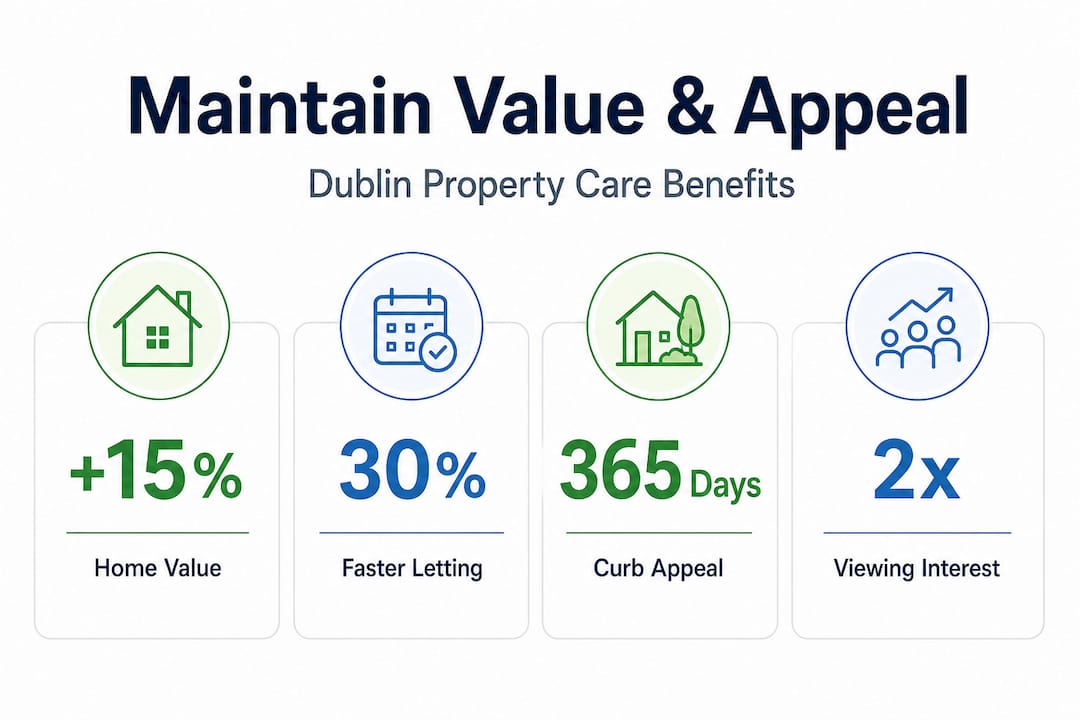
First impressions carry real financial weight in property. Whether a prospective tenant is walking up to a rental viewing or a buyer is doing a first drive-by, the exterior of a property shapes their perception before they have even stepped inside. Poorly maintained grounds signal neglect. Well-maintained grounds signal care, quality, and pride.

The financial case is straightforward. Properties with professionally maintained grounds attract better quality tenants, command higher rents, and sell faster. Landlords who invest in regular grounds care report fewer void periods, because tenants are more inclined to stay in a property that looks and feels well looked-after. The cost of routine maintenance is consistently lower than the cost of trying to rescue a property that has been left unmanaged for months.
Here are the key ways reliable grounds maintenance adds value to your property:
- Higher rental appeal: Clean, tidy, well-maintained outdoor spaces are among the top factors tenants cite when choosing a rental property.
- Reduced risk of structural issues: Overgrown vegetation can damage walls, block drains, and undermine surfaces. Regular trimming and clearance prevents costly structural repairs.
- Improved pest resistance: Unmaintained grounds attract pests. Dense weed growth, piled debris, and waterlogged areas are breeding grounds for rodents and insects. Consistent maintenance removes those habitats.
- Better market positioning: A property with attractive, healthy grounds stands out in listings and at viewings, giving you negotiating power on price or terms.
- Tenant retention: Tenants who feel their home is well cared for are more likely to renew leases and treat the property respectfully.
Dublin lawn care and property value research confirms that proactive maintenance strategies, including regular mowing, soil management, and drainage upkeep, have a direct and measurable effect on how a property is perceived in the market.
"A property that is maintained consistently communicates to potential tenants and buyers that the owner takes their responsibilities seriously. That perception alone can set your property apart in a competitive market."
If you are looking to boost property value through a structured approach, scheduled maintenance is one of the most cost-effective tools available to any landlord or property owner in Dublin.
Why true reliability means moving beyond the basics
Here is something that standard maintenance checklists rarely address. Reliability is not just about frequency. A contractor who mows every Thursday in dry weather but disappears after a storm is not a reliable maintenance partner. And that distinction matters more than most property owners realise until they have been left with a waterlogged lawn and no response to calls.
Real reliability in property care comes from three things that go beyond the tick-box routine. First, proactive problem-solving. A good maintenance team does not just carry out the scheduled tasks. They notice the patch of turf that is starting to thin, the drain that is beginning to slow, or the hedge that is creating too much shade for the grass below. They flag it before it becomes expensive.
Second, adaptability to seasonal unpredictability. Dublin's weather does not follow neat seasonal boundaries. An unusually wet October or a dry June can completely change what your property needs. Rigid schedules that do not account for this create gaps. Your maintenance plan should have flexibility built in, with the ability to add an aeration session or a drainage clearance at short notice if conditions demand it.
Third, communication. This is the element most owners undervalue. When a contractor arrives, does something useful, leaves, and never reports back, you have no visibility into what is happening on your grounds. You need regular updates, photos if the contractor cannot always meet with you, and a clear protocol for emergencies such as storm damage or sudden pest activity.
A practical way to build this in: ask your maintenance provider to set up a simple end-of-visit report, even just a brief message or photograph confirming what was done and anything notable they observed. It takes two minutes and creates a record that protects both parties.
Think about your garden maintenance workflow as a living plan, not a static list. Review it each season. Ask your contractor what adjustments they would recommend based on what they are seeing on the ground. The properties that hold their value best over time are the ones where the maintenance approach evolves alongside the property's needs.
Achieve reliability with professional property care
If you are a Dublin landlord or property owner ready to take a more structured approach to your grounds, working with a trusted local specialist makes a genuine difference.

At Sherry Property Care, we provide high-quality, meticulous grounds maintenance for residential and commercial properties across Dublin. From weekly lawn care and seasonal aeration to hedge trimming and full grounds upkeep, we tailor every service to your property's specific needs. We know Dublin's soils, climate, and property types well, and we bring that local knowledge to every visit. Getting started is simple. Send us a few photos of your property and we will put together a personalised quote. No obligation, no generic pricing, just a straightforward plan built around your grounds.
Frequently asked questions
What does reliable property care include for Dublin homes?
Reliable property care covers regular mowing, deep watering schedules, seasonal fertilisation, weed and moss control, soil aeration, and routine inspections. Dublin lawn best practices confirm that all of these elements work together to maintain a healthy, attractive property year-round.
How can I address moss and drainage issues in my Dublin property?
Aeration, drainage improvement, and targeted overseeding are the most effective approaches. Moss and waterlogging solutions for Dublin properties combine these treatments rather than relying on a single fix.
How often should lawns be mowed in Dublin?
Lawns should be mowed weekly during the growing season at a height of 4 to 5 cm, and you should avoid removing more than one-third of the grass blade length at any one time.
Why is soil aeration important for Dublin gardens?
Dublin's clay soils compact easily under foot traffic and wet conditions, blocking air and water from reaching grass roots. Annual aeration for Dublin clay improves drainage, supports root health, and prevents the nutrient lockout that weakens lawns over time.
What is the best way to boost property value with maintenance?
A consistent, scheduled routine that covers mowing, soil health, drainage management, and prompt issue resolution is the most reliable way to protect and grow your property's market value. Regular mowing and fertilisation combined with seasonal treatments deliver both aesthetic appeal and long-term structural benefits.