TL;DR:
- Regular biannual roof inspections and consistent gutter maintenance are essential for Dublin homeowners to prevent water damage caused by the region's wet climate. Proper care of flashing, moss removal, and attic ventilation significantly extends roof lifespan and avoids costly repairs. Integrating these tasks into seasonal property maintenance ensures early detection of issues and preserves structural integrity year-round.
Roof maintenance essentials are the practical, recurring tasks that protect your property from water damage, structural decay, and costly emergency repairs. For Dublin homeowners and property managers, these tasks carry extra weight. The city's wet winters, Atlantic winds, and damp autumns accelerate wear on roofing materials faster than in drier climates. A roof that receives no attention for two or three years in Dublin is a roof heading towards serious trouble. The good news is that a consistent upkeep checklist, covering inspections, gutters, flashing, moss removal, and attic ventilation, can add years to your roof's lifespan and save you thousands in the process.
1. How often should you inspect your roof?
Biannual roof inspections, scheduled in spring and autumn, form the backbone of any sound roof upkeep checklist. Spring checks catch damage left by winter storms. Autumn checks prepare the roof for the wet months ahead. You should also inspect after any significant storm, particularly one involving high winds or hail.
When checking your roof, look for these specific warning signs:
- Cracked, lifted, or missing slates and tiles
- Granule loss on asphalt shingles, visible as bare patches
- Rust or gaps around flashing at chimneys, vents, and skylights
- Sagging sections or visible dips in the roofline
- Moss, algae, or lichen growth on the surface
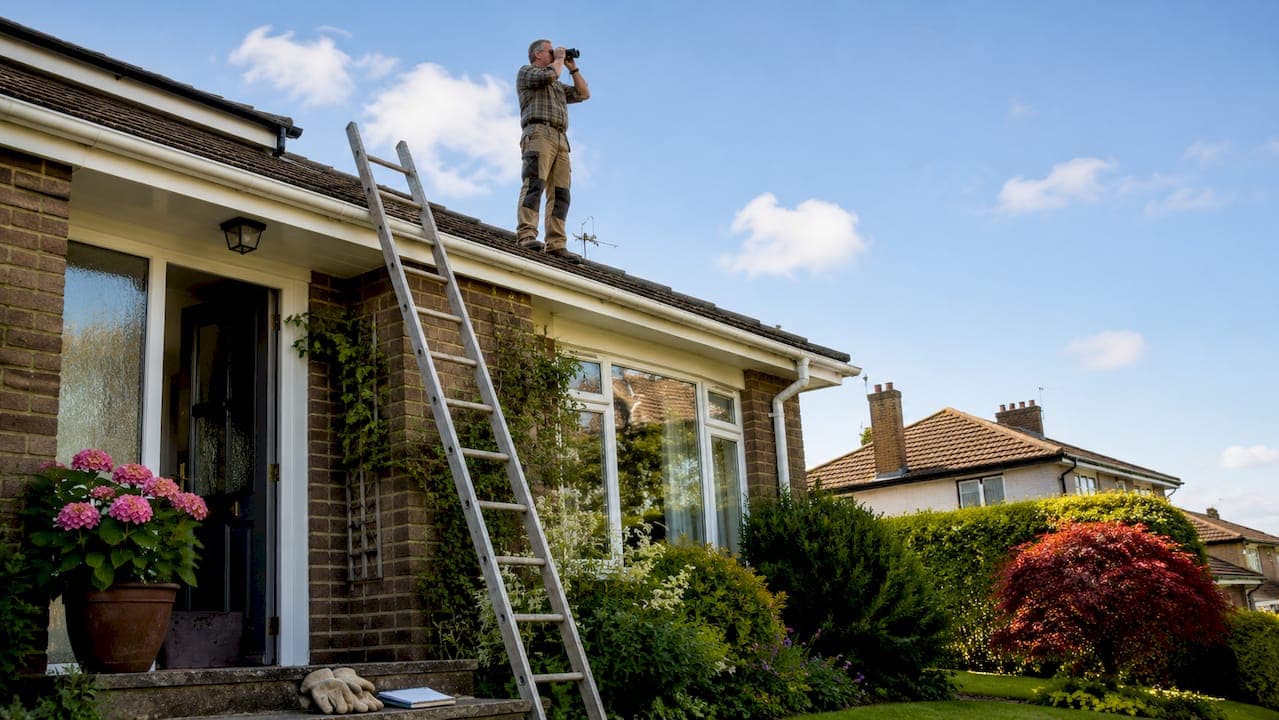
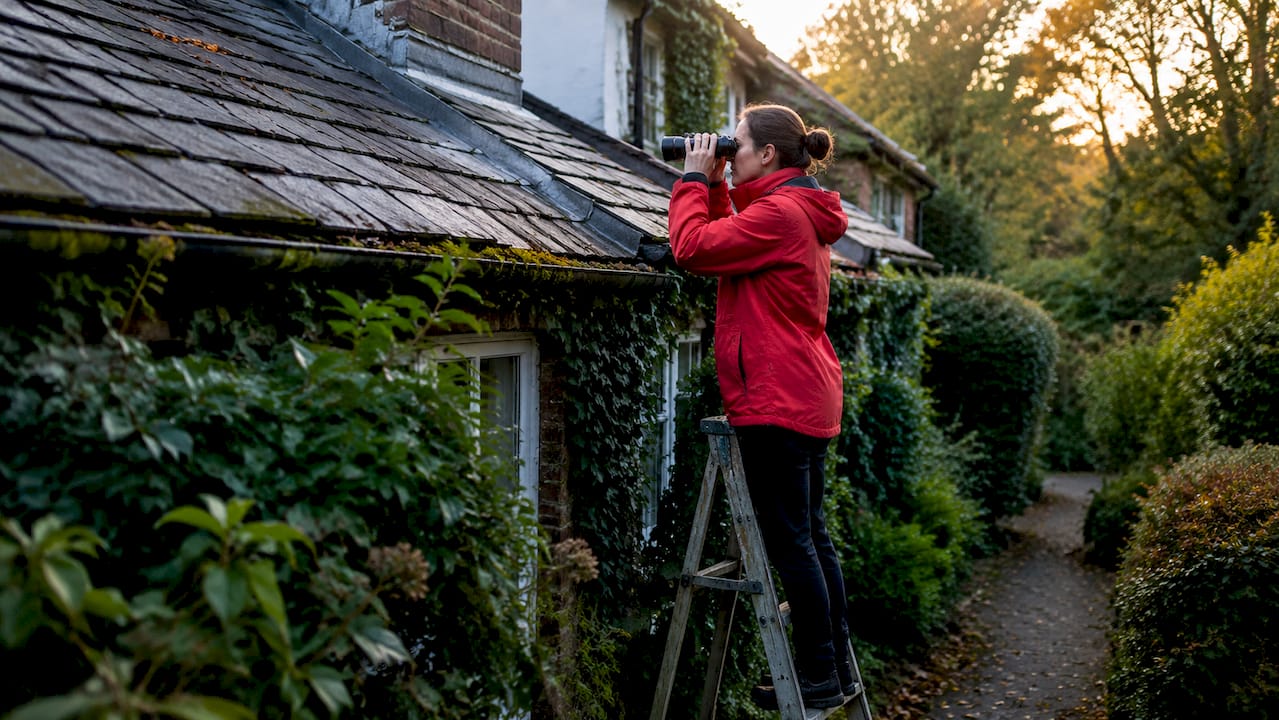
Walking on roofs damages shingles and poses real safety risks. Use binoculars from the ground or a ladder positioned safely at the eaves. For a thorough assessment, a professional inspection is the most reliable option. Delaying inspections can turn a loose tile into a full roof replacement costing upwards of €12,000. A professional inspection costs roughly €190 to €210, which is a fraction of what emergency repairs demand.
Pro Tip: Book your autumn inspection before October. Dublin's storm season typically arrives in November, and catching weak points before the rain sets in gives you time to arrange repairs without urgency pricing.
2. Why gutter and downspout maintenance cannot be skipped
Gutters are the drainage system for your entire roof. When they fail, water backs up under tiles, saturates fascia boards, and eventually finds its way into your walls and foundations. Regular gutter cleaning prevents water backup that leads to ice dams and fascia rot, and gutters must be properly sloped and securely fastened to function correctly.
Clean your gutters at least twice a year: once in late spring after tree pollen and seeds have fallen, and again in late autumn after the leaves have dropped. During each clean, check for:
- Sagging sections or gutters pulling away from the fascia
- Debris blockages in downspouts
- Overflow marks or staining on exterior walls below the gutter line
- Rust or cracks in metal gutters
Downspouts should direct water at least 1.5 metres away from your foundation. Anything less risks soil saturation and basement flooding, both of which are expensive to remediate. For a full breakdown of what to look for, the homeowner's gutter guide from Sherrypropertycare covers the process in detail.
Pro Tip: Fit a gutter guard mesh over your gutters if you have large trees nearby. It reduces cleaning frequency and prevents the heavy blockages that cause overflow damage during Dublin's autumn downpours.
3. How to maintain flashing and stop leaks at vulnerable junctions
Flashing failures around chimneys, vents, and skylights are the most common cause of roof leaks. Flashing is the thin metal strip, typically aluminium or lead, that seals the joints between your roof surface and any vertical structure passing through it. When it fails, water enters directly into the roof structure.
Inspect flashing annually and look for:
- Rust or corrosion on the metal surface
- Cracked, dried, or missing sealant along the edges
- Gaps where the flashing has lifted away from the surface
- Water staining on ceilings or walls directly below flashing locations
Flashing sealant deteriorates faster than the metal itself. Annual resealing with a roofing-grade sealant is a straightforward task that prevents significant water damage. Do not use general-purpose silicone. Use a product rated specifically for roofing applications and temperature extremes.
Avoid high-pressure washing near flashing areas. The force strips sealant and can lift the metal, creating the very gaps you are trying to prevent.
Pro Tip: If you notice a damp patch on an interior ceiling and cannot identify a broken tile above it, check the nearest flashing first. In the majority of cases, that is the source.
4. Managing moss, algae, and debris on your roof
Moss retains moisture against shingles and tiles, causing gradual deterioration. Algae signals an existing moisture problem and accelerates shingle decay. Both are common on Dublin roofs due to the damp climate and frequent overcast conditions that limit drying time. Left untreated, biological growth shortens roof life considerably.
Safe removal methods include:
- Applying a purpose-made moss and algae treatment solution, available from most builders' merchants in Dublin
- Using a low-pressure garden hose to rinse, working from the ridge downward
- Brushing gently with a soft-bristle brush for stubborn patches
High-pressure washing strips protective granules from asphalt shingles and should never be used on a roof surface. The short-term visual improvement is not worth the long-term damage to the material.
For prevention, zinc or copper strips installed along the ridge line release trace amounts of metal when it rains. This runoff inhibits moss and algae growth across the surface below. Timing matters too. Treat in early spring or late autumn when growth is active but temperatures are moderate. Clear leaves, twigs, and debris from the roof surface regularly. Debris holds moisture and creates the damp conditions that moss thrives in.
5. The role of attic ventilation in roof health
Inadequate attic ventilation causes heat to accumulate, which shortens shingle lifespan and leads to internal roofing damage. In winter, poor ventilation traps warm, moist air from the living space below. That moisture condenses on the cold underside of the roof deck, causing rot and mould that is invisible from outside the property.
Signs that your attic ventilation needs attention:
- Unusually high attic temperatures in summer
- Condensation or frost on the underside of the roof deck in winter
- Mould or dark staining on rafters or insulation
- Shingles that are ageing faster than expected
Check that soffit vents at the eaves are clear of insulation. A common mistake during loft insulation upgrades is blocking soffit vents, which cuts off the airflow the entire system depends on. Ridge vents at the apex of the roof should also be unobstructed.
Poor attic ventilation can mimic the symptoms of an external leak by causing moisture buildup and rot inside the roof sheathing. Before spending money on surface treatments, check the attic first. The fix is often improved ventilation or repositioned insulation rather than new roofing materials.
Pro Tip: If your energy bills have increased noticeably and your attic feels excessively warm in summer, poor roof ventilation is likely a contributing factor. Addressing it improves both roof longevity and household energy efficiency.
Key takeaways
Consistent roof maintenance across inspections, gutters, flashing, biological growth, and attic ventilation is the most cost-effective way to protect a Dublin property from water damage and structural deterioration.
| Point | Details |
|---|---|
| Inspect twice yearly | Schedule checks in spring and autumn, plus after any significant storm. |
| Clean gutters regularly | Clear gutters twice a year and direct downspout water 1.5m from the foundation. |
| Reseal flashing annually | Flashing sealant fails before the metal does; annual resealing prevents the most common leak source. |
| Remove moss safely | Use low-pressure methods and purpose-made treatments; avoid pressure washers on roof surfaces. |
| Check attic ventilation | Clear soffit and ridge vents to prevent moisture buildup and hidden structural rot. |
What I have learned about roof care in Dublin
I have seen the same pattern repeat itself more times than I can count. A homeowner notices a damp patch on a bedroom ceiling in January. They call a roofer, who finds not one problem but four: blocked gutters, failed flashing sealant, moss lifting tiles, and a soffit vent blocked by insulation. None of these issues appeared overnight. Each one developed quietly over two or three years of missed maintenance.
The conventional advice is to inspect your roof once a year. In Dublin, that is not enough. The combination of wet winters, Atlantic gales, and damp autumns means your roof faces more stress than a property in the south of England or continental Europe. Twice a year is the minimum, and a post-storm check is not optional.
What most guides underplay is the attic. Homeowners focus on the visible surface and ignore what is happening underneath. I have seen roofs that looked fine from the street but had significant rot in the decking because soffit vents were blocked during a loft conversion three years earlier. The damage was entirely preventable.
My practical recommendation is to integrate your roof checks into a broader seasonal maintenance schedule for your property. When you are clearing the garden in autumn, check the gutters. When you are opening the house up in spring, look at the roof. Maintenance done in context gets done consistently. Maintenance treated as a separate annual project gets postponed.
— gerard
Professional roof care for Dublin properties

Sherrypropertycare works with homeowners and property managers across Dublin to keep properties in excellent condition year-round. If you are unsure about the state of your roof or simply want a professional set of eyes on it before the winter season arrives, getting a tailored assessment is the most reliable next step. From gutter clearing to grounds upkeep, Sherrypropertycare offers property care services built around your specific property needs. Send a photo of your property and get a customised quote with no obligation. Staying ahead of roof problems is always less expensive than reacting to them.
FAQ
How often should Dublin homeowners inspect their roof?
Inspect your roof twice a year, in spring and autumn, plus after any significant storm. Biannual inspections catch damage early and prevent minor issues from escalating into costly replacements.
What is the most common cause of roof leaks?
Flashing failures around chimneys, vents, and skylights are the most common cause of roof leaks. Annual resealing with roofing-grade sealant is the most direct way to prevent them.
Is it safe to walk on my roof to inspect it?
Walking on a roof damages shingles and carries real safety risks. Use binoculars from the ground, inspect from a ladder at the eaves, or hire a professional for a thorough assessment.
How do I stop moss growing on my roof?
Remove existing moss with a low-pressure rinse and a purpose-made treatment solution, then install zinc or copper strips along the ridge line. These release trace metals when it rains, inhibiting regrowth across the surface below.
Why does my attic feel damp even when the roof looks intact?
Poor attic ventilation causes moisture to condense on the underside of the roof deck, producing damp and rot that has nothing to do with the external surface. Check that soffit and ridge vents are clear before assuming you have a leak.