
TL;DR:
- Routine property inspections are essential for Dublin landlords to ensure compliance, detect issues early, and maintain good tenant relations. Following a structured process of notice, preparation, inspection, documentation, and follow-up helps prevent legal risks and costly repairs. Regular scheduling, respectful communication, thorough documentation, and prompt repairs support effective property management.
A routine property inspection is a scheduled visit by a landlord to assess a rental property's condition, identify maintenance issues, and confirm legal compliance. For Dublin landlords, these visits are not optional extras. They are the primary tool for protecting your investment, meeting Housing Health and Safety Rating System (HHSRS) standards, and maintaining a positive relationship with your tenants. The NRLA confirms that landlords retain full responsibility for HHSRS compliance even when agents manage properties on their behalf. Getting your routine property inspection steps right from the start saves money, prevents disputes, and keeps you on the right side of the law.
What are the routine property inspection steps Dublin landlords should follow?
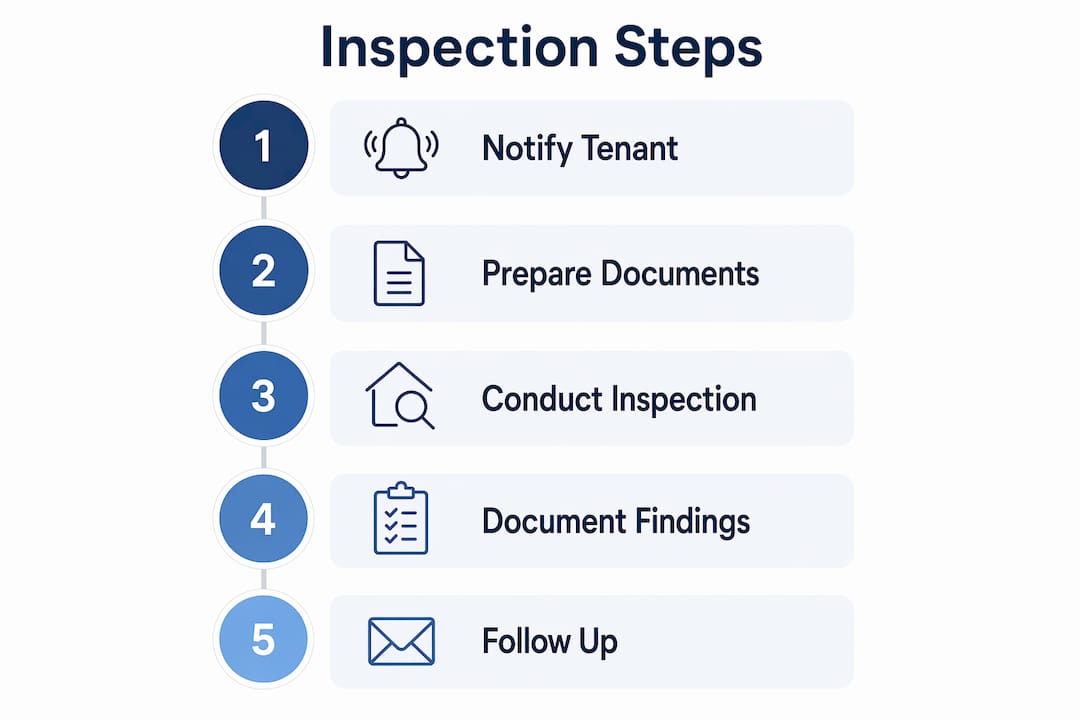
Routine property inspections follow a structured process: notify, prepare, inspect, document, and follow up. Each step builds on the last, and skipping any one of them creates gaps in your compliance record. The industry standard for inspection frequency is once every 3–6 months, with additional visits at the one-month and three-month marks for new tenancies. That early-visit approach catches problems before they become expensive and sets clear expectations with new tenants.
The primary purpose of these visits is early identification of issues such as damp, leaks, and ventilation faults. Catching these problems early prevents costly structural damage that can run into thousands of euros. Treating inspections as a proactive maintenance tool, rather than a policing exercise, is what separates effective Dublin landlords from reactive ones.
How often should landlords conduct routine inspections in Dublin?
Quarterly inspections are the widely accepted standard for well-managed tenancies. That said, the right frequency depends on the property's age, condition, and tenancy history.
Recommended inspection schedule:
- Month 1: First visit after a new tenancy begins. Checks that the tenant has settled in and flags any immediate issues.
- Month 3: Second early visit. Confirms no emerging problems have been missed.
- Every 3–6 months thereafter: Standard ongoing schedule for established tenancies.
- After reported issues: An additional visit following a repair or complaint is good practice.
- Before tenancy end: A pre-checkout inspection helps both parties agree on the property's condition.
Scheduling too frequently creates friction and can constitute harassment. Scheduling too rarely leaves maintenance issues undetected. The 3–6 month window balances both risks effectively.
Pro Tip: Always schedule inspections at a reasonable time of day, typically between 8:00 AM and 6:00 PM on weekdays, and confirm the appointment in writing at least 24 hours in advance.
Tenants have a legal right to quiet enjoyment of their home. Inspections that feel intrusive or unannounced breach that right. A consistent, predictable schedule builds trust and makes tenants more cooperative during visits.
How to prepare effectively for a property inspection
Good preparation prevents wasted visits and protects you legally. The steps below apply to every inspection, whether it is the first or the fifteenth.
- Send written notice. Provide at least 24 hours' written notice via email or formal letter. Email creates a clear audit trail. Written notice is a legal requirement under the Landlord and Tenant Act 1985, and a tenancy agreement clause does not override it.
- Gather your documents. Bring the Gas Safety Certificate, Energy Performance Certificate (EPC), Electrical Installation Condition Report (EICR), and any previous inspection reports. The NRLA notes that HHSRS enforcement now includes on-the-spot visits where failure to produce these documents can result in significant fines.
- Prepare your checklist. Use a room-by-room property inspection checklist tailored to the property. Generic checklists miss property-specific risks.
- Brief your tenant. Let the tenant know what you will be checking and why. Transparency reduces anxiety and improves cooperation.
- Plan the next inspection date. Setting the next visit at the end of the current inspection formalises your schedule and minimises friction.
Pro Tip: Keep a dedicated inspection folder, physical or digital, containing all certificates, previous reports, and correspondence. You can produce it immediately if enforcement officers arrive unannounced.
Step-by-step guide to conducting the physical inspection
The physical inspection follows a systematic room-by-room process. Rushing through it defeats the purpose. Work from the outside in, and from top to bottom within each room.
External structure
Check the roof, gutters, downpipes, external walls, windows, and doors. Look for missing tiles, blocked gutters, cracked render, and damaged seals around window frames. Dublin's wet climate makes gutters and drainage a priority. Blocked gutters cause damp penetration, which is a Category 1 hazard under HHSRS.
Interior rooms
Move through each room methodically. Check ceilings and walls for damp patches, mould, or staining. Test windows open and close properly. Check that ventilation is adequate, particularly in bathrooms and kitchens. Poor ventilation is one of the most common maintenance issues detected during inspections in Dublin properties.
Utilities and safety systems
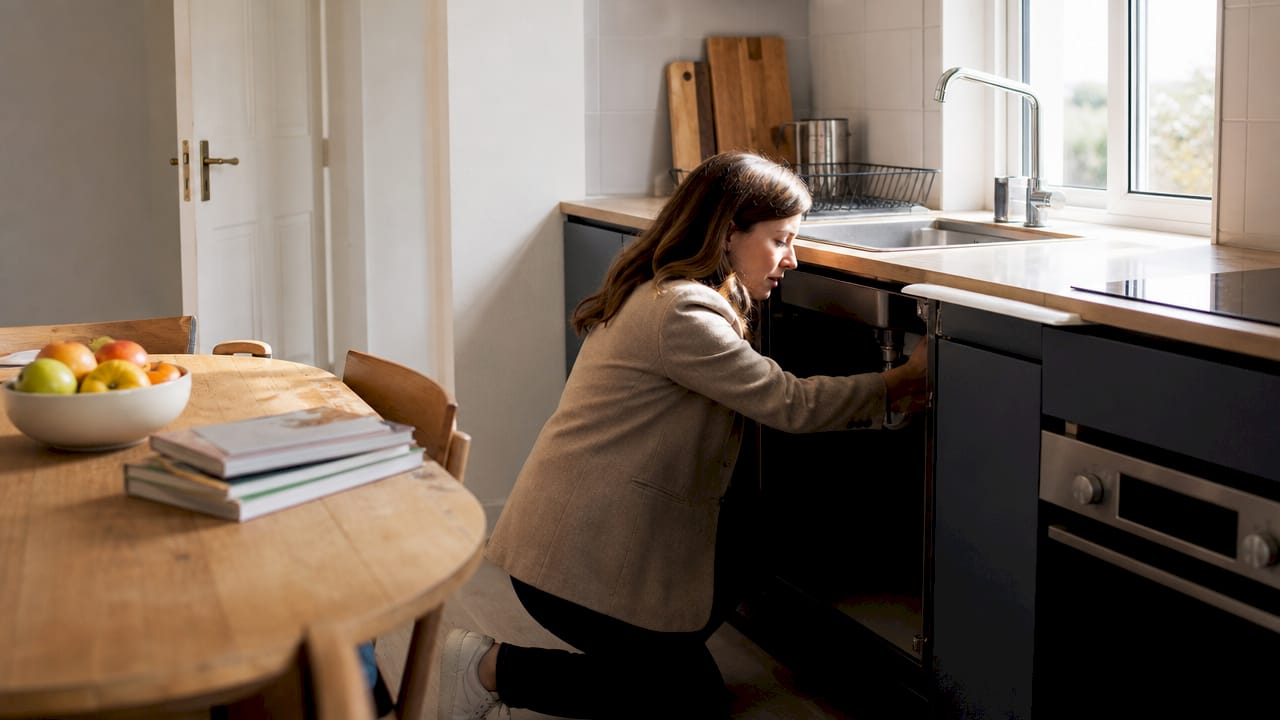
Test smoke alarms and carbon monoxide detectors. Check that the boiler is serviced and that the Gas Safety Certificate is current. Inspect visible electrical fittings for damage. Under the 2026 updated HHSRS, Category 1 hazard violations can result in on-the-spot fines of up to £7,000. That figure makes a thorough utilities check non-negotiable.
Key areas to cover during the physical inspection:
- Roof, gutters, and external drainage
- External walls, windows, and door frames
- Damp, mould, and condensation in all rooms
- Ventilation in kitchens, bathrooms, and utility areas
- Smoke alarms, carbon monoxide detectors, and fire doors
- Boiler, heating system, and hot water supply
- Electrical sockets, switches, and visible wiring
- Tenant alterations or unauthorised changes
- Garden, grounds, and external access points
Photograph every issue you find. Images with timestamps serve as evidence in deposit disputes and compliance checks. Record tenant alterations factually, without judgement. Neutral, factual recording centred on property condition produces better dispute outcomes than subjective notes.
Pro Tip: Use a consistent photo-naming convention, such as room name and date, so images are easy to locate months later when a dispute arises.
Interact respectfully with tenants throughout the visit. Ask if they have noticed any issues you should know about. Tenants who feel like partners in property care, rather than subjects of an audit, report problems earlier and cooperate more readily. This approach to tenant involvement in property upkeep consistently produces better outcomes for landlords.
Post-inspection actions: reporting, communication, and maintenance follow-up
The inspection visit is only half the job. What you do afterwards determines whether the process actually protects you.
- Complete the inspection report promptly. Write up your findings the same day while details are fresh. Reference the previous report to identify whether issues are new or recurring. Detailed, systematic reports are invaluable during deposit disputes and legal proceedings.
- Share findings with your tenant within 7 days. Send a written summary of what you found, what action you will take, and the expected timeline. This keeps tenants informed and creates a paper trail.
- Prioritise repairs by risk level. Categorise every issue as immediate (safety hazard), urgent (risk of worsening within days), or routine (cosmetic or low-risk). Address immediate hazards within 24 hours.
- Coordinate with contractors. Book trusted tradespeople promptly. Delays in addressing hazards can constitute a legal breach. The landlord maintenance responsibilities framework in Dublin is clear: identified hazards must be resolved, not deferred.
- File all records securely. Store the completed report, photographs, tenant communication, and contractor invoices together. These records support your position in any future dispute or enforcement visit.
Pro Tip: Use a simple traffic-light system in your report: red for immediate, amber for urgent, green for routine. It makes prioritisation clear at a glance and demonstrates a professional approach to any enforcement officer.
Inspection reports also serve as evidence for deposit protection, allowing like-for-like comparisons between check-in and check-out conditions. A landlord with six months of consistent reports is in a far stronger position than one relying on memory.
Common pitfalls landlords should avoid during inspections
Most inspection mistakes fall into a small number of categories. Recognising them in advance is the simplest way to avoid them.
- Entering without proper notice. An inspection without at least 24 hours' written notice is unlawful, even if the tenancy agreement permits inspections. Tenants can seek an injunction or damages.
- Focusing on tenant lifestyle. Commenting on how a tenant lives, rather than the property's condition, is both unprofessional and legally risky. Record facts about the property, not opinions about the occupant.
- Failing to document findings. An undocumented inspection provides no protection. If it is not written down and photographed, it did not happen in legal terms.
- Ignoring updated HHSRS regulations. The 2026 updates carry real financial penalties. Landlords who rely on older checklists risk missing new compliance requirements.
- Over-relying on tenancy agreement clauses. Statutory tenant rights override contractual terms. The right to quiet enjoyment is not negotiable.
- Not treating tenants as partners. Inspections conducted with a collaborative tone produce better results than adversarial ones.
"Routine inspections are most effective when tenants feel like partners in property care, not subjects of policing. That shift in approach improves compliance, cooperation, and the long-term condition of the property."
The proactive property maintenance mindset is what separates landlords who avoid costly disputes from those who encounter them repeatedly.
Key takeaways
Effective property inspections require consistent scheduling, thorough documentation, and prompt follow-up action to meet 2026 HHSRS standards and protect your investment.
| Point | Details |
|---|---|
| Inspection frequency | Inspect every 3–6 months, with additional visits at months 1 and 3 for new tenants. |
| Written notice is mandatory | Provide at least 24 hours' written notice before every visit; verbal notice is not sufficient. |
| Document everything | Photograph all issues and file reports promptly to support deposit and compliance cases. |
| Prioritise repairs by risk | Categorise findings as immediate, urgent, or routine and act on hazards within 24 hours. |
| Tenant collaboration | Treat inspections as a shared property care exercise to improve cooperation and early reporting. |
Why I think most landlords are inspecting their properties the wrong way
After working with Dublin landlords across a wide range of property types, I have noticed a consistent pattern. Most landlords treat inspections as a box-ticking exercise. They walk through a property, note a few things, and leave without a structured record or a clear plan. That approach protects no one.
The landlords who avoid disputes and enforcement notices are the ones who treat every inspection as a formal business process. They arrive with documents, they leave with a completed report, and they follow up in writing within the week. That discipline is not complicated. It just requires consistency.
The other shift I advocate for is tone. Tenants who feel respected during inspections report problems earlier. That early reporting is worth more than any checklist. A tenant who tells you about a slow leak in october saves you a structural repair bill in february. Build that relationship deliberately, and your inspections will become genuinely useful rather than merely compliant.
Stay current with HHSRS updates. The 2026 changes are not minor adjustments. They carry real financial consequences, and landlords who rely on older practices will find themselves exposed. If you are new to the inspection process, start with a scheduled maintenance framework and build your checklist from there.
— gerard
How Sherrypropertycare helps Dublin landlords stay on top of property care
Keeping a rental property in good condition between inspections is where many landlords lose ground. Grounds maintenance, garden upkeep, and external presentation are often the first things to slip, and they are the first things tenants and enforcement officers notice.

Sherrypropertycare works with property owners and landlords across Dublin to keep grounds and gardens in excellent condition year-round. From lawn care and hedge trimming to full grounds maintenance programmes, the team provides reliable, meticulous upkeep that supports your inspection outcomes and protects your property's value. A well-maintained exterior signals a well-managed property. Visit Sherrypropertycare to request a customised quote based on your property's specific needs.
FAQ
How much notice must a Dublin landlord give before an inspection?
A landlord must provide at least 24 hours' written notice before entering a rental property. Verbal notice is not sufficient, and a tenancy agreement clause does not override this legal requirement.
What documents should a landlord bring to a routine inspection?
Bring the Gas Safety Certificate, EPC, EICR, and all previous inspection reports. HHSRS enforcement officers can request these documents on the spot, and failure to produce them may result in fines.
What hazards does HHSRS require landlords to check during inspections?
HHSRS requires landlords to check for damp, mould, poor ventilation, electrical faults, fire safety deficiencies, and structural issues. Category 1 hazards carry on-the-spot fines of up to £7,000 under 2026 regulations.
How soon should a landlord act after identifying a repair during an inspection?
Immediate safety hazards require action within 24 hours. Urgent issues should be addressed within a few days, and routine repairs should be scheduled promptly to prevent deterioration.
Can a tenant refuse a landlord's inspection?
A tenant can refuse entry if proper notice has not been given. If lawful notice has been provided and the tenant still refuses, the landlord should seek legal advice rather than entering without consent.