
Maintaining a beautiful garden in Dublin demands consistent effort, but without a clear workflow, it quickly becomes overwhelming for homeowners and property managers. Whether you manage a small residential lawn or oversee multiple commercial landscapes, an efficient garden maintenance approach saves time, reduces stress, and enhances property aesthetics. This guide walks you through preparation, execution, troubleshooting, and verification steps tailored specifically for Dublin's climate, helping you create a sustainable maintenance routine that delivers consistent results year-round.
Table of Contents
- Key Takeaways
- Preparing for an efficient garden maintenance workflow
- Step-by-step execution of your garden maintenance workflow
- Troubleshooting common garden maintenance challenges
- Verifying and optimizing your garden maintenance workflow
- Discover expert garden care services in Dublin
- FAQ
Key Takeaways
| Point | Details |
|---|---|
| Clear maintenance workflow | Having a defined maintenance workflow reduces effort and yields consistent results throughout the year. |
| Preparation essentials | Assemble a core toolkit, establish a schedule, and assess garden needs to tailor tasks. |
| Seasonal scheduling | Create a seasonal calendar that maps Dublin weather patterns to weekly and monthly tasks. |
| Structured weekly execution | Follow a repeatable weekly routine with seasonal deep work to maintain garden health. |
Preparing for an efficient garden maintenance workflow
Successful garden maintenance starts long before you touch a single plant. Proper preparation reduces wasted effort and improves workflow efficiency in garden maintenance, setting you up for consistent results throughout the year.
Start by assembling your essential toolkit. Every Dublin garden needs core equipment that handles routine tasks efficiently:
- Lawn mower with adjustable height settings for different grass types
- Hand pruners and loppers for trimming shrubs and small branches
- Garden hose or irrigation system with timers for consistent watering
- Rake and leaf blower for debris management
- Spade and fork for soil work and planting
- Wheelbarrow for transporting materials and waste
- Safety gear including gloves, eye protection, and sturdy footwear
Pro Tip: Store tools in a dedicated shed or garage zone organized by task frequency. Keep weekly items like mowers and pruners at eye level, while seasonal tools like aerators can go on higher shelves.
Dublin's temperate maritime climate brings distinct seasonal patterns that directly impact your maintenance schedule. Spring typically arrives with increased rainfall and rapid growth, requiring more frequent mowing and pruning. Summer demands consistent watering despite occasional dry spells. Autumn focuses on leaf management and preparing beds for winter dormancy. Winter maintenance shifts to protective measures and planning for the next growing season.
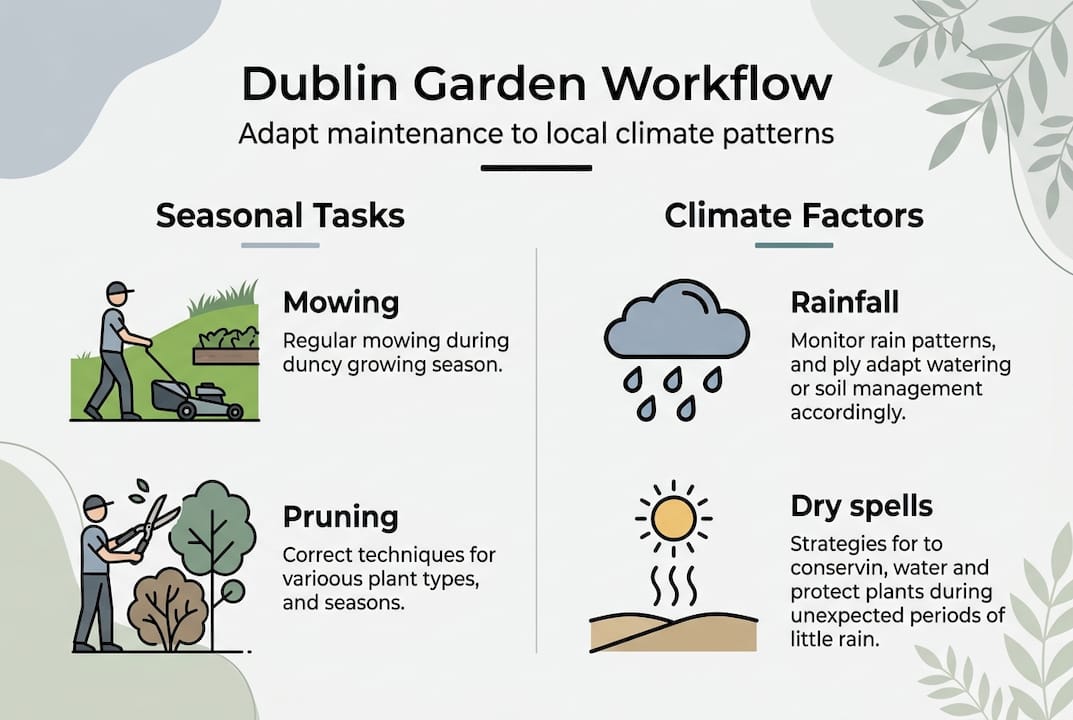
Create a seasonal calendar that maps tasks to Dublin's weather patterns. Mark weekly activities like mowing and watering alongside monthly jobs such as fertilizing or pest checks. This visual reference keeps you ahead of seasonal transitions rather than reacting after problems appear.
Assess your specific garden characteristics before finalizing your schedule. Different plant types, soil conditions, and sun exposure levels require tailored approaches. A shaded garden with moisture-loving plants needs different watering frequency than a sunny bed filled with Mediterranean species. Commercial properties with high visibility standards may require twice-weekly attention, while residential gardens often thrive with weekly care.
| Tool | Primary use | Peak season | Maintenance frequency |
|---|---|---|---|
| Lawn mower | Grass cutting | April to September | Weekly blade sharpening |
| Pruners | Trimming and shaping | March to October | Monthly cleaning and oiling |
| Irrigation system | Watering | May to August | Seasonal inspection |
| Leaf blower | Debris removal | October to November | Annual filter replacement |
| Spade and fork | Soil preparation | February to April | Yearly handle check |
Document your garden's unique needs in a simple notebook or digital file. Record plant locations, special care requirements, and any problem areas that need extra attention. This reference becomes invaluable when adjusting your workflow or delegating tasks to others.
Step-by-step execution of your garden maintenance workflow
With preparation complete, executing your maintenance workflow becomes straightforward when you follow a structured approach that enhances garden health and reduces overlooked tasks. Break your routine into weekly core activities and seasonal deep work.
Your weekly workflow should follow this sequence:
- Walk the entire property first, noting any immediate concerns like broken branches, pest damage, or irrigation issues before starting physical work
- Mow lawns when grass reaches one-third above your target height, typically 2.5 to 3 inches for Dublin's common grass varieties
- Edge borders and pathways to maintain clean lines and prevent grass encroachment into beds
- Water early morning or evening to minimize evaporation, adjusting frequency based on recent rainfall and temperature
- Deadhead spent flowers and remove any diseased or damaged foliage to promote continued blooming and prevent disease spread
- Check for weeds in beds and borders, removing them while small to prevent establishment
- Sweep or blow debris from hard surfaces to maintain appearance and prevent slip hazards
Pro Tip: Group tasks by area rather than type when managing larger properties. Complete all work in one zone before moving to the next, reducing travel time and ensuring nothing gets missed.
Seasonal tasks layer onto your weekly routine, intensifying during growth periods and easing during dormancy:
- Spring brings heavy pruning, mulch application, fertilizer spreading, and bed preparation for new plantings
- Summer focuses on consistent watering, pest monitoring, continued deadheading, and managing rapid growth
- Autumn requires leaf removal, final fertilization, bulb planting, and protecting tender plants before frost
- Winter shifts to tool maintenance, planning next year's improvements, and protecting vulnerable areas from harsh weather
Safety checks before and during work prevent injuries and equipment damage. Always inspect tools for loose handles or dull blades before use. Verify that power equipment has adequate fuel and oil levels. Check weather forecasts to avoid working during storms or extreme heat. Wear appropriate protective gear for each task, especially when using power tools or handling chemicals.
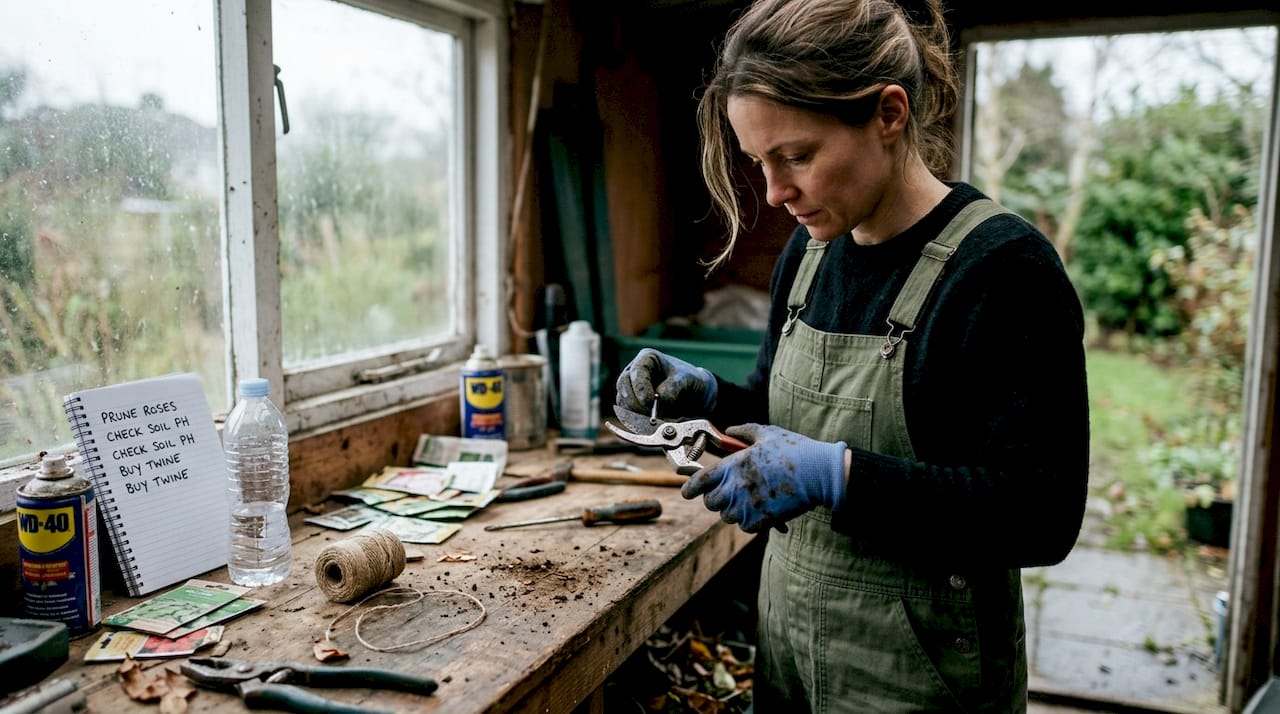
Dublin's weather creates narrow windows for certain tasks. When a dry spell appears during typically wet months, prioritize activities that require dry conditions like applying granular fertilizers or aerating lawns. Conversely, use rainy periods for planning, tool maintenance, or indoor tasks like reviewing your calendar and ordering supplies.
Commercial properties demand higher frequency and stricter standards than residential gardens. A corporate campus or retail center may require daily litter removal, twice-weekly mowing during peak growth, and immediate response to any aesthetic issues. Residential gardens typically thrive with weekly attention and flexible timing. Adjust your workflow intensity based on property visibility and client expectations rather than applying a one-size-fits-all approach.
Troubleshooting common garden maintenance challenges
Even well-planned workflows encounter disruptions. Awareness of common garden maintenance errors leads to more sustainable and successful outcomes, helping you address issues before they escalate into major problems.
The most frequent workflow disruptions include missed tasks during busy periods, improper watering that either drowns or stresses plants, inconsistent mowing that scalps grass or allows it to become overgrown, and delayed responses to pest or disease outbreaks. Each creates cascading effects that require extra effort to correct.
Plant stress signals appear before serious damage occurs if you know what to watch for. Wilting during cool weather indicates overwatering or root problems, while wilting in heat suggests insufficient water or damaged roots. Yellowing leaves may signal nutrient deficiency, poor drainage, or pest damage depending on the pattern. Brown leaf tips often result from inconsistent watering or fertilizer burn. Stunted growth indicates nutrient shortage, compacted soil, or root competition.
Pest infestations start small but multiply rapidly without intervention. Check undersides of leaves weekly for aphids, spider mites, or whiteflies. Look for chewed leaf edges indicating caterpillars or beetles. Notice trails of slime pointing to slug or snail activity. Early detection allows targeted treatment before populations explode.
When your workflow gets disrupted, take these corrective actions to regain control:
- Prioritize tasks by impact, addressing visible problems and health threats before aesthetic improvements
- Break catch-up work into manageable chunks spread over several days rather than attempting everything at once
- Adjust your schedule temporarily, adding extra sessions until you're back on track
- Delegate or outsource specific tasks if you're consistently falling behind on certain activities
- Simplify maintenance requirements by replacing high-need plants with more forgiving alternatives in problem areas
Consistent monitoring and quick responses to early warning signs prevent small issues from becoming expensive, time-consuming repairs that disrupt your entire maintenance workflow and compromise garden health.
Weather extremes challenge even experienced gardeners. Extended dry periods require supplemental irrigation and mulch replenishment to conserve moisture. Prolonged wet spells demand improved drainage solutions and fungicide applications to prevent disease. Unexpected frosts necessitate emergency protection for tender plants. Build flexibility into your workflow to accommodate Dublin's variable conditions.
Verifying and optimizing your garden maintenance workflow
Maintaining an effective workflow requires ongoing assessment and refinement. Regular verification and optimization of maintenance workflows increase garden resilience and property appeal, ensuring your efforts deliver maximum results with minimum wasted time.
Tracking progress provides objective evidence of what's working and what needs adjustment. Take photos from consistent locations monthly, creating a visual timeline that reveals gradual changes invisible during daily work. Maintain a simple garden log noting tasks completed, weather conditions, problems encountered, and observations about plant performance. These records become invaluable when diagnosing recurring issues or planning future improvements.
Different verification methods suit different situations and budgets:
| Method | Best for | Frequency | Cost |
|---|---|---|---|
| Visual inspection | Overall health and aesthetics | Weekly | Free |
| Soil testing | Nutrient levels and pH balance | Annually | Low to moderate |
| Professional consultation | Complex problems or optimization | Quarterly or as needed | Moderate to high |
| Growth measurements | Tracking plant development | Monthly | Free |
| Pest and disease monitoring | Early problem detection | Weekly during growing season | Free to low |
Key indicators reveal workflow effectiveness at a glance:
- Plant growth rate and vigor compared to typical expectations for each species
- Pest and disease presence, noting whether problems are increasing, stable, or declining
- Soil condition including texture, moisture retention, and visible organic matter
- Lawn density and color uniformity across the entire area
- Weed pressure in beds and borders, tracking whether control efforts are succeeding
- Overall aesthetic appeal and how it compares to your goals and property standards
Pro Tip: Schedule quarterly workflow reviews during seasonal transitions. Assess what worked well during the ending season, identify challenges that arose, and adjust your plan for the upcoming months based on lessons learned.
Optimization balances effort against results, finding the sweet spot where you achieve desired outcomes without overinvesting time or resources. If you're spending hours on tasks that produce minimal visible improvement, redirect that energy toward higher-impact activities. Conversely, if certain areas consistently underperform despite attention, investigate whether plant selection, soil conditions, or environmental factors need addressing rather than simply increasing maintenance intensity.
Sustaining motivation over months and years requires celebrating progress and maintaining reasonable expectations. Gardens evolve slowly, with many improvements taking full seasons to manifest. Focus on incremental gains rather than perfection. Share successes with family, colleagues, or neighbors who appreciate the transformation. Consider your garden an ongoing project rather than a finished product, embracing the continuous learning and adaptation that effective maintenance requires.
For commercial properties, tie verification to business objectives. Measure how garden appearance correlates with customer feedback, tenant satisfaction, or property valuations. Demonstrate return on investment by documenting maintenance costs against aesthetic improvements and reduced emergency repairs. This data justifies continued investment in proper garden care and supports budget requests for equipment or professional services.
Discover expert garden care services in Dublin
While a solid workflow handles routine maintenance, some situations benefit from professional expertise and equipment. Sherry Property Maintenance Limited specializes in comprehensive garden care for Dublin's residential and commercial properties, offering customized maintenance plans that complement your existing efforts or provide complete hands-off solutions.
Our experienced team understands Dublin's unique climate challenges and local plant varieties, delivering services that enhance property aesthetics while respecting your budget and schedule. Whether you need seasonal cleanups, regular maintenance visits, or specialized treatments for specific problems, we provide reliable support that keeps your landscape looking its best year-round.

Popular services include weekly mowing and edging, seasonal pruning and shaping, irrigation system management, pest and disease treatment, mulching and bed maintenance, and comprehensive property walkthroughs with detailed recommendations. We work with you to identify priorities and create a service schedule that fits your needs.
Contact us today to discuss how professional garden maintenance services can save you time while improving your property's curb appeal and value. We offer free consultations and customized quotes for properties of all sizes across Dublin.
FAQ
What is the best frequency for garden maintenance in Dublin?
Most Dublin gardens thrive with weekly maintenance during the growing season from April through September, adjusting to biweekly visits during slower growth periods in spring and autumn. Winter typically requires only monthly checks for storm damage and protective measures. Regular attention prevents small issues from becoming major problems while maintaining consistent appearance.
Which tools are essential for an efficient garden workflow?
Essential tools include a quality lawn mower with adjustable height, hand pruners and loppers for trimming, a reliable watering system or hose, rake and leaf blower for debris management, spade and fork for soil work, and proper safety equipment. Invest in durable versions of frequently used items, as quality tools last years longer than budget alternatives. Keep blades sharp and moving parts lubricated to extend tool life and improve performance.
How can I prevent common maintenance mistakes?
Stick to a consistent schedule rather than waiting until problems become obvious, and monitor plant health weekly during growing season to catch issues early. Adjust watering and feeding based on weather conditions and seasonal plant needs rather than following rigid routines. Document what works and what doesn't in a simple log, using those insights to refine your approach over time.
What indicators show my garden workflow needs adjustment?
Warning signs include poor plant growth despite adequate care, increasing pest or disease problems, uneven lawn appearance with patchy areas, persistent weed pressure despite control efforts, and finding yourself consistently behind schedule on routine tasks. Regular verification through photos and notes helps catch these patterns before they become serious. When multiple indicators appear simultaneously, step back and reassess your entire approach rather than just intensifying existing efforts.