TL;DR:
- Proactive pest control using Integrated Pest Management (IPM) is essential for long-term property protection in Dublin, preventing costly damage and health risks. It involves routine inspections, structural maintenance, and data-driven decisions to address root causes rather than react to visible pests. Integrating pest management into regular upkeep enhances safety, preserves property value, and reduces overall treatment costs.
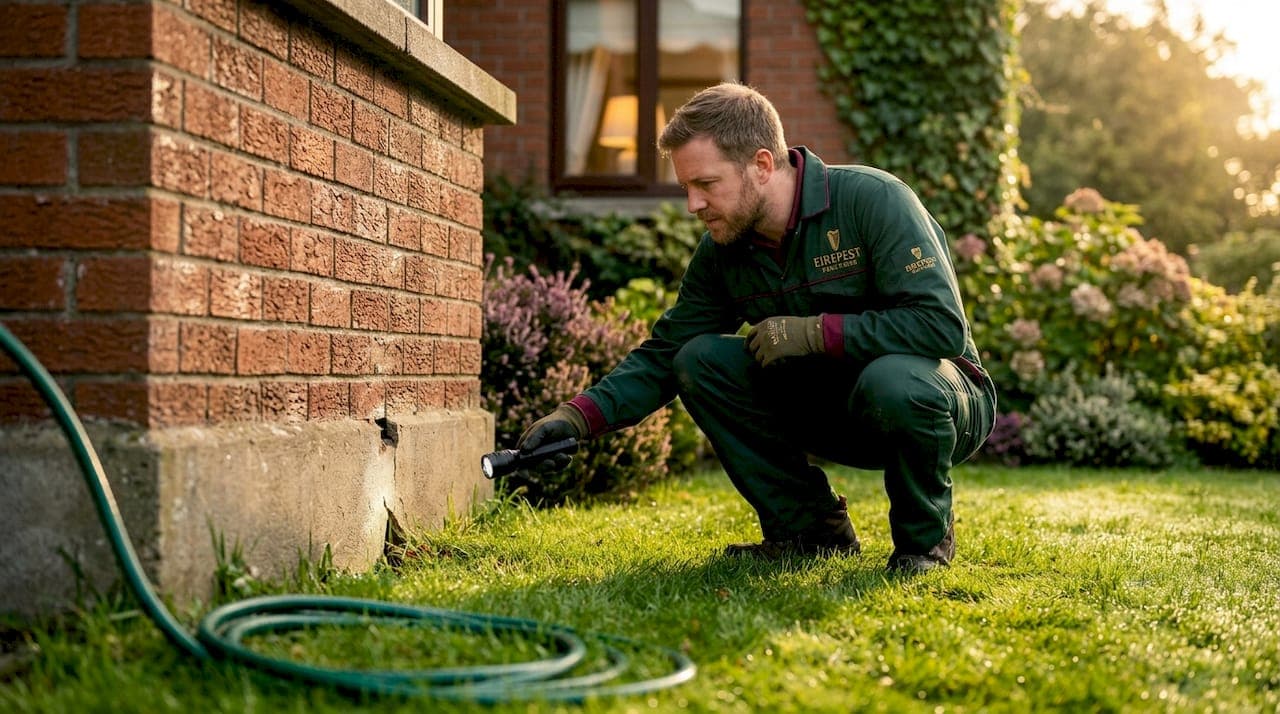
Most homeowners and property managers in Dublin treat pest control as something you do after you spot a problem. That thinking costs money, damages property, and creates health risks that could have been avoided. The role of pest control in upkeep is far broader than calling someone when you see a mouse. It is an ongoing, preventive discipline, and the industry term for the modern approach is Integrated Pest Management (IPM). Understanding both the reactive and proactive sides of pest control is the first step to protecting your property long term.
Key takeaways
| Point | Details |
|---|---|
| Pest control is preventive | Treating pest management as routine upkeep prevents costly infestations and structural damage. |
| IPM outperforms reactive methods | Science-based IPM uses monitoring and exclusion to reduce pests more sustainably than calendar spraying. |
| Health and safety benefits | Reducing pests lowers allergen exposure and disease risk for residents and occupants. |
| Financial case is clear | Upfront pest-proofing investments reduce long-term treatment costs and protect property value. |
| Whole-property coordination matters | Effective pest control requires collaboration across residents, staff, and professional contractors. |
The role of pest control in upkeep
Pest control, in the context of property maintenance, covers far more than extermination. It includes inspection, monitoring, exclusion, sanitation, and structural repairs, all working together to keep a property free from rodents, insects, and other unwanted organisms. In Dublin, the most common culprits are house mice, rats, cluster flies, cockroaches, and silverfish, each with the potential to damage buildings, contaminate food supplies, and create unhealthy living conditions.

The connection between pest control and property integrity is direct. Rodents gnaw through electrical cables, insulation, and timber. Dampwood termites and certain beetles weaken structural timbers over time. Cockroaches damage stored goods and leave behind allergens. Left unchecked, any of these can turn a minor nuisance into a costly repair job.
Integrated Pest Management is the science-based answer to these challenges. Rather than spraying on a fixed calendar schedule, IPM uses monitoring and whole-building assessment to understand why pests are present and what conditions are allowing them to thrive. It then addresses those root causes, whether that means sealing a gap under a door, fixing a leaking pipe, or adjusting waste storage. The table below shows how IPM compares to the conventional calendar-based approach.
| Approach | Method | Focus | Long-term outcome |
|---|---|---|---|
| Conventional pest control | Scheduled chemical treatments | Eliminating visible pests | Repeated infestations likely |
| Integrated Pest Management | Monitoring, exclusion, environmental correction | Root cause prevention | Fewer infestations, lower costs over time |
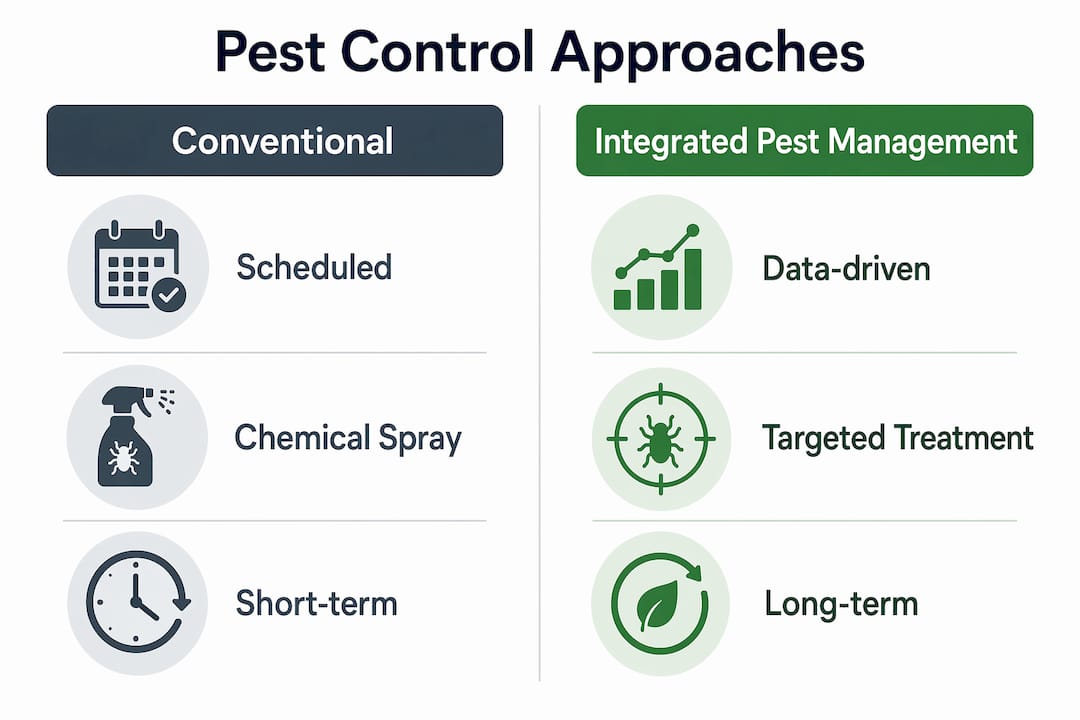
IPM prioritises data. Records of pest sightings, inspection results, and treatment outcomes inform every decision. This is not a one-off fix. It is an ongoing process that sits squarely within your broader property maintenance programme. Proactive property maintenance in Dublin and pest management belong in the same conversation.
Health, safety, and environmental wellbeing
Pests are more than a nuisance. They carry disease and trigger serious health conditions. Rodents spread pathogens through droppings, urine, and contact with contaminated surfaces. Structural and sanitation gaps can undermine even the most carefully planned pest control efforts, as hantavirus outbreaks linked to rodent populations have demonstrated. Cockroach allergens are a well-documented trigger for asthma, particularly in children.
The good news is that the health benefits of effective pest management compound over time. When you combine sanitation, structural maintenance, and targeted treatment, you reduce chemical use too. Reduced pesticide exposure from IPM programmes leads to measurably better indoor air quality and improved health outcomes for residents.
Here are the key health and safety reasons to treat pest control as part of routine upkeep:
- Rodents and cockroaches carry bacteria including salmonella and leptospirosis
- Pest allergens worsen asthma and respiratory conditions for occupants
- Decaying pest matter contaminates food preparation surfaces and storage areas
- Structural pest damage can compromise fire safety through gnawed wiring
- Reduced pesticide use under IPM lowers chemical exposure for residents and children
Waste management and moisture control are practical, non-chemical ways to cut pest risk significantly. Fixing leaks, removing standing water, and keeping bins sealed are maintenance tasks, yes, but they are also pest control measures. For a broader look at how cleaning habits tie into this, the guide on cleaning and maintenance in Dublin is worth reading.
Pro Tip: Inspect the area around bin storage every fortnight. Gaps in bin lids and spilled food residue are among the most common entry triggers for urban rodents in Dublin.
Financial benefits of proactive pest control
Here is something most property owners do not consider until they are already dealing with a serious infestation: the cost of prevention is almost always lower than the cost of cure. A professional IPM programme requires upfront investment in inspection, monitoring, and pest-proofing work. That investment pays back through avoided repairs, fewer treatment call-outs, and reduced risk of structural damage.
Upfront pest-proofing investment consistently shows lower lifetime expenses compared to repeated reactive treatments, according to UC IPM's own programme analysis. This is particularly relevant for landlords and property managers in Dublin managing multiple units, where a single unchecked infestation can spread across the building.
The financial argument for incorporating pest control into your upkeep budget comes down to these five points:
- Prevention avoids expensive treatments. Emergency pest removal and structural repair bills are significantly higher than scheduled inspection and monitoring.
- Pest damage reduces property value. Evidence of rodent activity or insect damage will surface during surveys and valuations, often at the worst possible moment.
- Fewer tenant complaints mean lower turnover. In rental properties, pest problems are among the most common reasons tenants leave, increasing your void costs.
- Proofing work serves double duty. Sealing gaps and fixing drainage improves energy efficiency and weatherproofing at the same time.
- Recordkeeping supports insurance claims. Documented pest control maintenance can support claims related to property damage.
A 2026 study found that only 44.5% of municipalities surveyed have formal rodent control infrastructure, meaning individual property owners bear the greatest responsibility for managing pest risk. You cannot rely on the council to fix your problem. For a detailed look at how prevention compares financially to repair costs, the article on maintenance versus repairs breaks down the numbers clearly.
Practical steps for incorporating pest control
Knowing the benefits of pest control maintenance is one thing. Building it into your regular upkeep routine is another. The good news is that the practical steps are manageable, and most of them connect directly to tasks you are probably already doing or should be doing as part of general property care.
Professional pest control should be treated as a routine budget item, not a crisis response. University of Florida IFAS guidance advises homeowners explicitly to plan for pest management costs the same way they plan for boiler servicing or roof maintenance. That framing matters, because it shifts your mindset from reactive to preventive.
Here are the practical steps to get your pest control programme working properly:
- Schedule inspections at least twice yearly. Spring and autumn are optimal in Dublin, ahead of the seasons when rodent and insect pressure peaks.
- Use an IPM-aligned pest management professional. Ask directly whether they use monitoring and exclusion first before recommending chemical treatments.
- Keep detailed records. Log every complaint, inspection visit, treatment, and observed pest activity. This data is how you track trends and catch problems before they escalate.
- Coordinate with residents or tenants. In multifamily buildings, whole-building coordination is not optional. Unit-by-unit treatment fails because pests simply move to untreated areas.
- Address structural issues promptly. Cracks in foundations, gaps around pipes, broken air bricks, and damaged soffits are all pest entry points.
- Manage moisture actively. Fix leaks fast and keep guttering clear. Damp conditions attract a wide range of insects and support rodent activity.
Eco-friendly pest prevention also includes simple habits like rotating stored goods, cleaning behind appliances regularly, and not leaving food waste out overnight.
Pro Tip: Ask your pest control professional to walk you through their monitoring findings after each visit. Understanding what they found and where gives you much better insight into how your property maintenance decisions are affecting pest risk.
My perspective on pest control and property longevity
I have seen properties in Dublin that were beautifully maintained on the surface but quietly suffering underneath. Gnawed joists, damaged insulation, contaminated subfloor spaces. All of it traceable back to the same root cause: pest control treated as an afterthought.
In my experience, the biggest shift a property owner can make is accepting that pest management is maintenance, not intervention. The moment you start scheduling inspections the same way you schedule a boiler service, your thinking changes. You stop chasing problems and start preventing them.
What I have found consistently is that properties with ongoing pest monitoring as part of their upkeep routine spend less overall. The upfront cost of proofing work and scheduled visits is offset within a few years by avoided treatments and avoided repairs. The maths is straightforward.
The part that surprises most property managers is how much tenant behaviour and staff coordination matter. You can have the best pest management professional in Dublin visiting every quarter, but if residents are leaving food waste beside the bins or ignoring a blocked drain, the infestation will return. Pest control success depends on everyone taking it seriously. Deferred maintenance and sanitation gaps are among the most common causes of pest control failures, and those gaps are almost always within the property owner's control.
My advice is simple. Get a proper IPM programme in place, keep records, and treat pest control as a fixed line in your maintenance budget. The peace of mind alone is worth it.
— gerard
Protect your Dublin property with professional care
If you are a homeowner or property manager in Dublin looking to get your pest control and grounds maintenance working together as one plan, Sherrypropertycare can help. Grounds that are well maintained, with clear drainage, managed vegetation, and tidy waste storage, are significantly less hospitable to pests. Sherrypropertycare provides high-quality, meticulous property care tailored to your specific needs.
From lawn care and hedge trimming to full grounds upkeep, Sherrypropertycare works with property owners across Dublin to keep their properties in top condition year round. A well-kept exterior reduces pest pressure and adds real kerb appeal. Getting started is straightforward. Visit Sherrypropertycare to request a customised quote, or send a photo of your grounds and get a tailored plan put together for you. Professional, reliable property care in Dublin is one call away.
Common questions
What is the role of pest control in property upkeep?
Pest control in property upkeep covers inspection, monitoring, exclusion, and treatment to prevent pests from damaging the building or harming occupants. Proactive pest management, particularly using Integrated Pest Management, is a core part of any thorough maintenance plan.
How does IPM differ from conventional pest control?
IPM uses monitoring, data, and environmental corrections to address the root causes of pest problems rather than applying scheduled chemical treatments. It reduces repeat infestations and lowers long-term costs compared to conventional calendar-based methods.
Why is pest control important for property value in Dublin?
Evidence of pest activity such as rodent damage or insect infestation affects property valuations and can deter buyers or tenants. Professional pest control protects both the structural integrity and the market value of your home.
How often should a property in Dublin be inspected for pests?
Most professionals recommend at least two inspections per year, ideally in spring and autumn, to catch seasonal pest activity before it becomes an infestation. Properties with a history of pest problems may benefit from quarterly visits.
Can maintenance tasks replace professional pest control?
Maintenance tasks such as sealing gaps, managing moisture, and keeping waste areas clean reduce pest risk significantly but do not replace professional monitoring and treatment. The two work best together as part of a coordinated pest management programme.