TL;DR:
- Property cleaning services fall into four categories: routine maintenance, deep cleaning, specialised cleaning, and property turnover cleaning. Selecting the right type helps property owners avoid excess costs or insufficient cleaning that can reduce property value.
Property cleaning services are categorised into four core types: routine maintenance, deep cleaning, specialised cleaning, and property turnover cleaning. Each type addresses a distinct need, and choosing the correct category helps property owners avoid both overspending and under-cleaning. For Dublin property owners and managers, understanding these distinctions is the difference between a well-maintained asset and one that loses value quietly over time. This guide covers every major type of cleaning service for properties, with practical guidance on when and how to use each one.
1. What are the types of cleaning services for properties?
Cleaning services for properties fall into four recognised categories: routine maintenance cleaning, deep cleaning, specialised cleaning, and turnover or end-of-lease cleaning. Matching service types to property needs improves hygiene standards, supports compliance, and protects property valuations. Each category has a different scope, frequency, and cost structure. Knowing which one applies to your property at any given time prevents you from paying for more than you need or settling for less than a space requires.
2. Routine maintenance cleaning: what it covers and when to use it
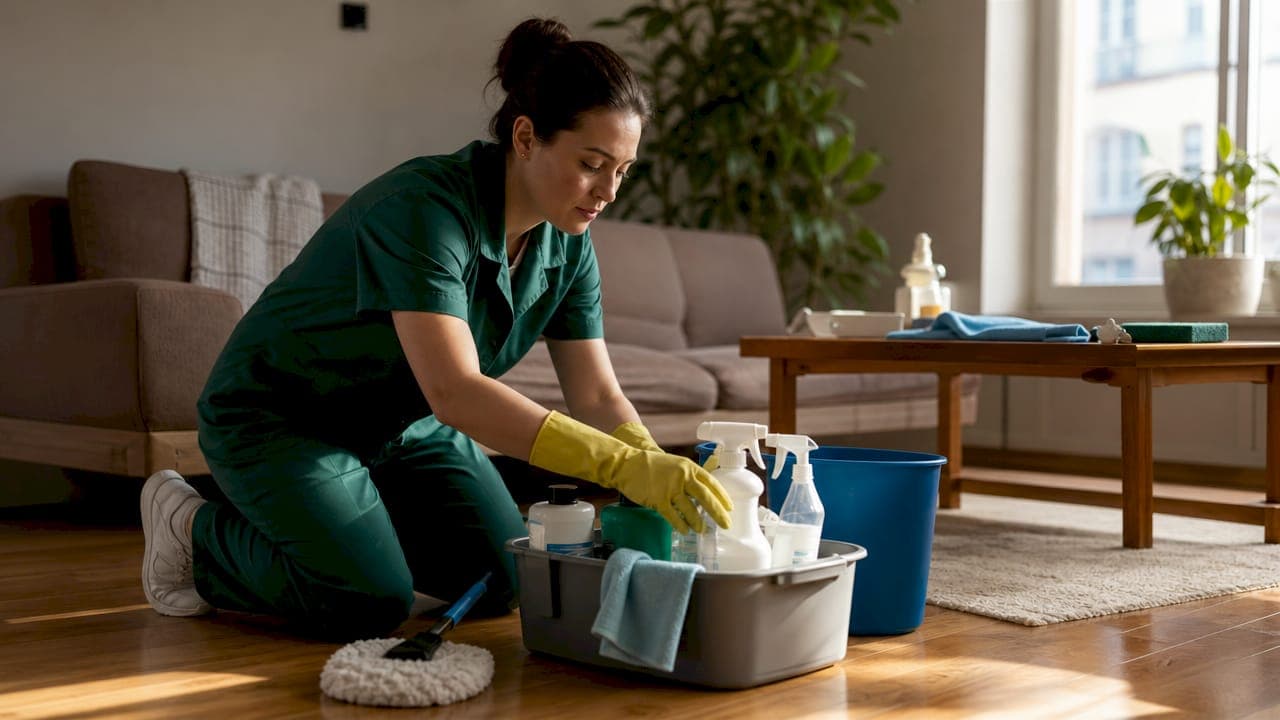
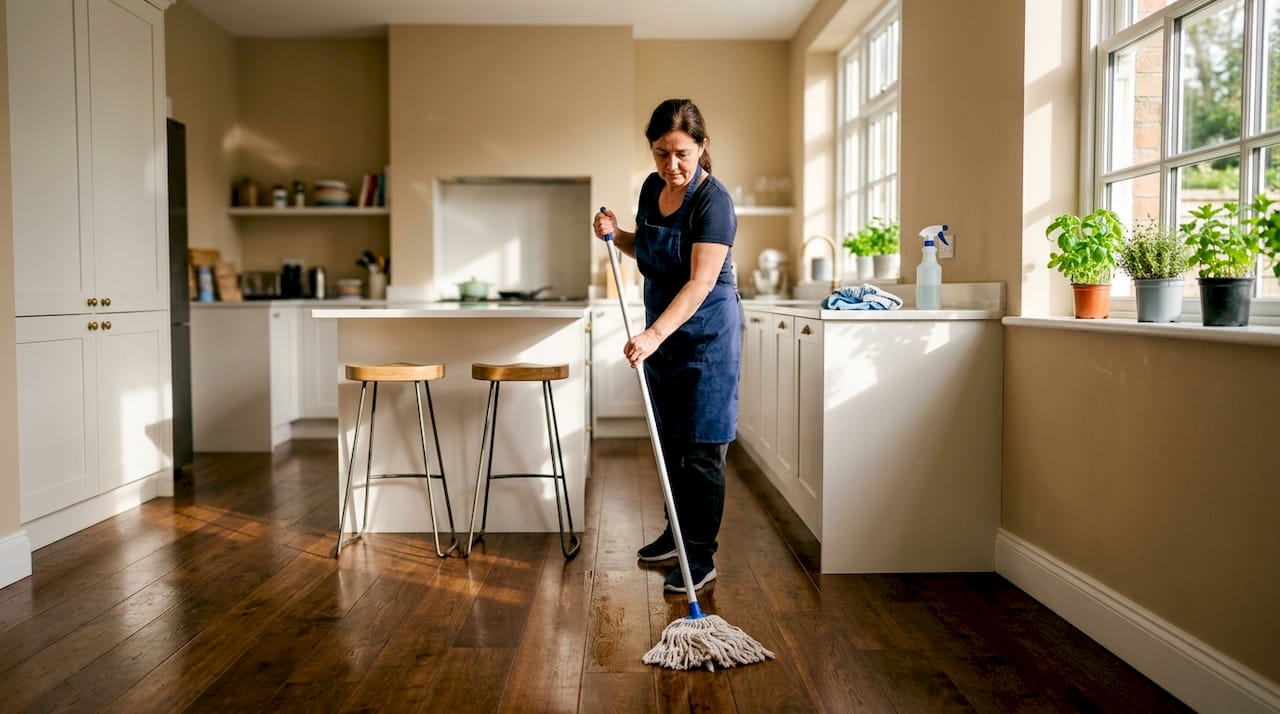
Routine maintenance cleaning is the most frequently used property cleaning option. It covers the regular upkeep tasks that keep a property presentable and hygienic between deeper interventions.
Typical tasks include:
- Vacuuming carpets and hard floors
- Dusting surfaces, shelves, and skirting boards
- Wiping down kitchen counters and bathroom fixtures
- Emptying bins and removing rubbish
- Mopping hard floors and spot-cleaning glass
For residential properties in Dublin, routine cleaning is typically scheduled weekly or fortnightly. Commercial properties, such as offices and retail units, often require daily visits to maintain acceptable hygiene levels. The role of cleaning in property maintenance is well established: consistent upkeep reduces the frequency and cost of deep cleans.
Routine cleaning works best when it follows a fixed schedule. Irregular visits allow grime and dust to accumulate in ways that require significantly more effort to reverse.
Pro Tip: Book routine cleaning visits on the same day each week. Consistency means your cleaner learns the property and works faster over time, which often reduces your cost per visit.
3. How does deep cleaning differ and which properties need it?
Deep cleaning goes well beyond surface maintenance. It targets areas that routine cleaning does not reach, including grout lines, extractor fan vents, behind appliances, upholstery, and inside cupboards.
| Feature | Routine cleaning | Deep cleaning |
|---|---|---|
| Frequency | Weekly or fortnightly | Quarterly or biannual |
| Areas covered | Surfaces, floors, bins | Grout, vents, appliances, upholstery |
| Time required | 1–3 hours | 4–8 hours or more |
| Typical use case | Ongoing maintenance | Pre-letting, post-tenancy, compliance |
| Cost structure | Regular rate | Higher flat rate or hourly |
Properties in food service, healthcare, and childcare settings require deep cleaning on a strict schedule to meet regulatory standards. For residential properties in Dublin, a deep clean is most valuable before a new tenancy begins, after a long-term tenant vacates, or ahead of a property valuation.
Distinguishing deep cleaning from routine janitorial tasks is a practical management decision, not just a semantic one. Booking a routine clean when a deep clean is needed leaves hidden grime in place and can affect inspection outcomes.
Pro Tip: Schedule a deep clean at least 48 hours before a property inspection or photography session. This gives time to air out rooms and address any areas the cleaner flags.
4. What specialised cleaning services exist for properties?
Specialised cleaning services target specific surfaces, materials, or situations that require dedicated equipment or trained techniques. They sit outside the scope of both routine and deep cleaning.
Common specialised services for Dublin properties include:
- Carpet and upholstery cleaning: Hot water extraction or dry cleaning methods remove deep-set stains and allergens from carpets, rugs, and fabric furniture. For residential properties, this is recommended annually or after a tenancy ends. Carpet cleaning tools and methods vary significantly in effectiveness depending on carpet type and soiling level.
- Window cleaning: External window cleaning for properties above ground floor requires height safety equipment and trained operatives. Streak-free results depend on the right squeegee technique and purified water systems.
- Post-construction cleaning: After renovation or building work, a property accumulates plaster dust, adhesive residue, and construction debris that standard cleaning cannot address. Post-construction cleaning uses industrial vacuums and specialist solvents.
- Pressure washing: Hard exterior surfaces including driveways, patios, and render benefit from pressure washing to remove moss, algae, and ingrained dirt. Exterior house cleaning services are particularly relevant for Dublin properties, where damp conditions accelerate surface growth.
- Oven and appliance cleaning: Dedicated oven cleaning services use non-caustic dip-tank methods to restore appliances to a near-new condition. This is a standard requirement in end-of-tenancy inspections.
Selecting the right specialised service depends on the property type, its condition, and the specific surface involved. A landlord preparing a flat for re-letting will typically need carpet cleaning, oven cleaning, and window cleaning as a package rather than individually.
5. What are property turnover cleaning services and why do landlords in Dublin need them?
Property turnover cleaning, also called end-of-lease or move-out cleaning, is the most thorough and inspection-focused cleaning service available. It is designed to return a property to a condition that satisfies a landlord, letting agent, or property manager before a new tenancy begins.
End-of-lease cleaning covers areas that are often overlooked in routine cleaning but are scrutinised closely during inspections. These include:
- Inside ovens, grills, and extractor hoods
- Bathroom grout, sealant lines, and tile surfaces
- Window tracks, door frames, and skirting boards
- Inside wardrobes, drawers, and kitchen cupboards
- Behind and underneath white goods
Flat-rate pricing with a defined scope is the most transparent model for turnover cleaning. It removes uncertainty for both landlords and outgoing tenants, and makes it easier to confirm that all inspection-critical areas are covered. Hourly pricing, by contrast, can leave scope gaps if a cleaner runs short on time.
Timestamped before-and-after photos are a best practice for property managers handling turnover cleans. These images provide clear documentation of the property's condition and are valuable evidence in any deposit dispute. A reputable cleaning provider will offer this as standard.
Satisfaction guarantees with a defined window, typically 24 hours, are another marker of a professional turnover cleaning service. This means the provider returns to address any missed areas before the landlord or agent conducts a formal inspection.
Pro Tip: Request a written scope of works before booking any turnover clean. If inside appliances, window tracks, and grout are not listed explicitly, they may not be included.
Key takeaways
Matching the right cleaning service type to your property's specific condition and purpose is the single most effective way to control costs and maintain standards.
| Point | Details |
|---|---|
| Four core service types | Routine, deep, specialised, and turnover cleaning each serve a distinct purpose. |
| Routine cleaning prevents escalation | Consistent weekly or fortnightly visits reduce the need for costly deep cleans. |
| Deep cleaning supports compliance | Quarterly or biannual deep cleans are required for food service, healthcare, and pre-tenancy preparation. |
| Flat-rate contracts protect budgets | Defined scope agreements prevent unexpected charges and confirm inspection-critical areas are covered. |
| Documentation matters in turnovers | Timestamped photos and satisfaction guarantees protect landlords during deposit disputes. |
My honest view on cleaning services for Dublin properties
I have seen property owners in Dublin make the same mistake repeatedly. They book a routine clean when the property needs a deep clean, or they pay for a full turnover service when a targeted carpet and oven clean would have been sufficient. The confusion usually comes from not knowing what each service actually includes.
The most useful thing you can do before booking any cleaning service is request a written scope. Licensed, insured providers using OSHA-compliant protocols and EPA-registered products set the professional benchmark. If a provider cannot tell you exactly what is and is not included, that is a clear signal to look elsewhere.
Flat-rate pricing matters more than most property managers realise. Hourly rates create an incentive for slower work and leave scope ambiguous. A defined scope contract tells you precisely what you are paying for and gives you grounds to request a return visit if something is missed.
For Dublin properties specifically, damp conditions mean exterior surfaces and window frames deteriorate faster than in drier climates. Factoring in annual pressure washing and exterior window cleaning is not optional maintenance. It is the kind of upkeep that protects a property's kerb appeal and long-term value. Sherrypropertycare works with property owners across Dublin who have learned this the hard way. The ones who plan their cleaning schedule in advance spend less and get better results.
— gerard
Sherrypropertycare: property cleaning and grounds care in Dublin
Dublin property owners and managers trust Sherrypropertycare for reliable, high-quality property care that goes beyond the interior. From grounds maintenance and lawn care to hedge trimming and exterior upkeep, Sherrypropertycare delivers meticulous results tailored to each property.

Every quote is customised to your property's specific needs. Send a photo of your grounds or exterior and Sherrypropertycare will provide a clear, no-obligation quote. Whether you manage a single residential property or a portfolio of commercial units across Dublin, get in touch with Sherrypropertycare to discuss a cleaning and maintenance plan that fits your schedule and budget.
FAQ
What are the main types of cleaning services for properties?
The four main types are routine maintenance cleaning, deep cleaning, specialised cleaning, and property turnover cleaning. Each serves a different purpose and is suited to different property conditions and management goals.
How often should a Dublin rental property be deep cleaned?
A deep clean is recommended at minimum before each new tenancy and at least once annually for occupied properties. Properties in food service or healthcare settings require deep cleaning more frequently to meet regulatory standards.
What does end-of-lease cleaning typically include?
End-of-lease cleaning covers inside appliances, bathroom grout, window tracks, skirting boards, and inside all storage units. A professional provider will supply a written scope and offer a satisfaction guarantee with a 24-hour return window.
Why is flat-rate pricing better for turnover cleaning?
Flat-rate pricing ties the cost to a defined scope rather than time spent. This prevents unexpected charges and confirms that all inspection-critical areas are included in the service.
What is post-construction cleaning and when is it needed?
Post-construction cleaning removes plaster dust, adhesive residue, and building debris after renovation or building work. It requires industrial equipment and is a separate service from both routine and deep cleaning.