TL;DR:
- Regular facade maintenance protects Dublin properties from costly damage and enhances kerb appeal.
- Key tasks include inspections, gentle cleaning, repointing, sealant renewal, and using appropriate materials.
- Proactive upkeep based on Dublin’s weather and materials is more cost-effective than reactive repairs.
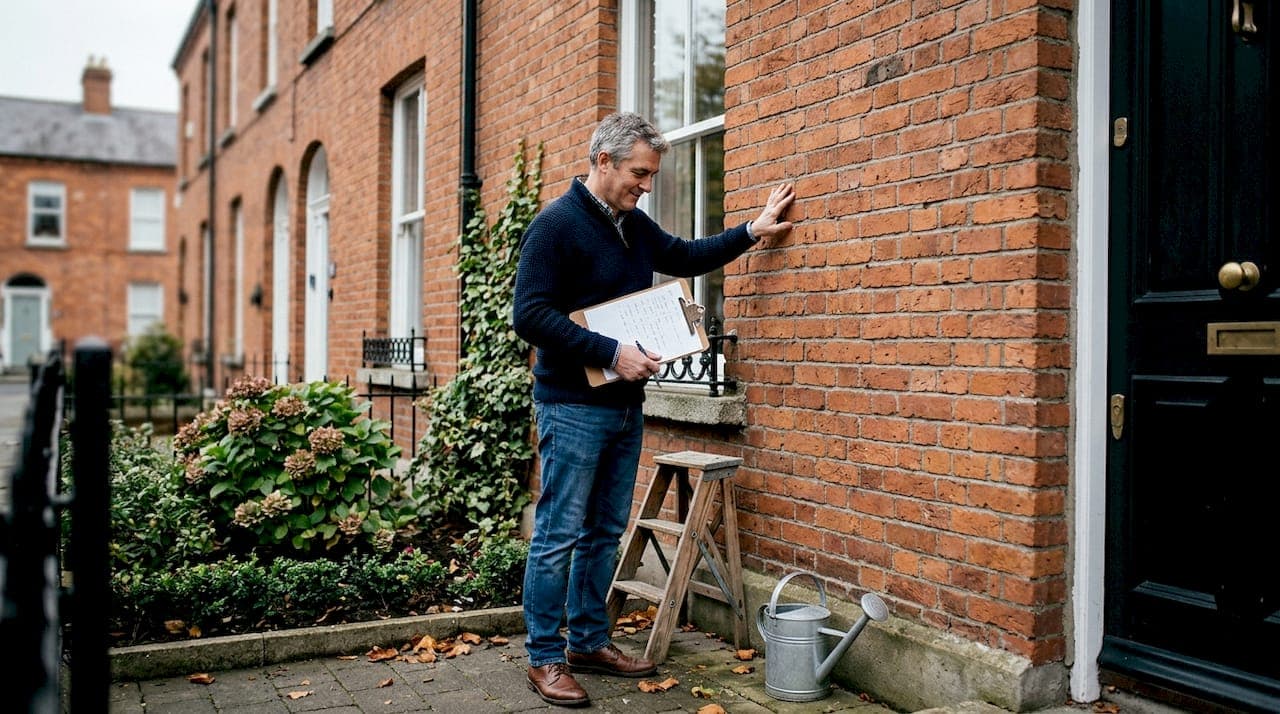
Your property's exterior does a lot of work. It shields the structure from rain, frost, and wind, and it tells visitors and potential buyers something about how well the property is cared for. Yet many Dublin homeowners assume that an occasional rinse-down is enough to keep things in order. It is not. Neglecting facade upkeep can lead to costly repairs and a visible drop in kerb appeal, often faster than you would expect. This guide walks you through what facade maintenance actually involves, why it matters for Dublin properties specifically, and what practical steps you can take to protect your investment and keep your exterior looking its best.
Table of Contents
- What is facade maintenance and why does it matter?
- Core methods and key steps in facade maintenance
- Special challenges for Dublin facades: Local weather, materials, and regulations
- Proactive vs reactive facade maintenance: Costs and long-term benefits
- Our take: What most Dublin property owners get wrong about facade maintenance
- Professional facade maintenance made easy in Dublin
- Frequently asked questions
Key Takeaways
| Point | Details |
|---|---|
| Facade care defined | Maintenance includes cleaning, inspecting, and repairing exteriors to protect and enhance Dublin properties. |
| Tailored for Dublin | Local climate and materials demand specific methods and regular inspections for the best results. |
| Prevention saves money | Proactive schedules cost less than reactive repairs and preserve both looks and value. |
| Expert services help | Professional Dublin teams make facade maintenance simpler, safer, and more effective. |
What is facade maintenance and why does it matter?
Facade maintenance is not simply about washing down your walls once a year. At its core, facade maintenance involves routine cleaning, inspections, repairs, and protective measures to preserve building exteriors, prevent water damage, ensure safety, and maintain aesthetics. That is a broad remit, and each element plays a distinct role in keeping your property sound and looking well.
Think of the facade as the outer skin of your building. When that skin is compromised, problems work their way inward. Cracks allow moisture to penetrate, which weakens structural elements over time. Deteriorating sealants around windows and doors let in draughts and damp. Staining and biological growth, such as algae and moss, accelerate surface decay. The visible result is a property that looks tired and poorly maintained. The invisible result is often far more expensive to fix.
For homeowners and property managers in Dublin, facade maintenance serves several important roles:
- Structural protection: Prevents water ingress and freeze-thaw damage that weakens walls and frames
- Aesthetic preservation: Keeps your property looking clean and well-presented, supporting kerb appeal
- Regulatory compliance: Some older or listed buildings have obligations around facade upkeep
- Property value: A well-maintained exterior directly supports market value and saleability
- Safety: Loose render, cracked masonry, or deteriorating cladding can pose physical hazards
"A building's facade is its first line of defence. Routine care is far less costly than emergency repair, and it directly supports long-term property value." A well-maintained exterior signals to buyers, tenants, and neighbours that the whole property is looked after.
For Dublin properties specifically, improving curb appeal through consistent facade care is one of the most reliable ways to maintain and grow property value over time. Paired with broader exterior maintenance tips, it forms the foundation of any serious property care plan.
Core methods and key steps in facade maintenance
Knowing why facade maintenance matters is one thing. Understanding what it actually involves in practice is where you can start making real decisions. Key methodologies include annual or semi-annual inspections, gentle cleaning, repointing, sealant renewal, and material-specific care. Here is how each step works in practice.
Step-by-step visual inspection process:
- Start at the roofline and work downward, checking gutters, fascias, and soffits for damage or blockages
- Examine all masonry and render for cracks, spalling (surface flaking), or bulging sections
- Inspect window and door frames for gaps, rot, or failing sealant
- Check ground-level areas for rising damp, efflorescence (white salt deposits), or biological growth
- Note any areas where paint or coating has peeled or blistered
- Photograph all issues for your records and to share with a professional
Routine cleaning should be carried out annually, using low-pressure methods and pH-neutral cleaning solutions. High-pressure washing can damage soft stone and old mortar, so the approach must match the material. Gentle, consistent cleaning prevents the build-up of grime and biological growth that leads to deeper surface damage.
Repointing, which is the process of renewing the mortar between bricks or stonework, is typically needed every fifteen to twenty-five years depending on exposure. Sealants around windows and doors generally last eight to fifteen years before renewal is required.
| Task | Recommended frequency | Notes for Dublin conditions |
|---|---|---|
| Visual inspection | Twice yearly | Post-winter and post-storm checks are essential |
| Exterior cleaning | Annually | Use low-pressure, pH-neutral methods |
| Sealant check and renewal | Every 8-15 years | Prioritise north-facing or exposed elevations |
| Mortar repointing | Every 15-25 years | Soft lime mortar suits older Dublin properties |
| Paint or coating refresh | Every 5-10 years | Choose breathable coatings for older walls |
Pro Tip: Where possible, prioritise low-maintenance materials such as uPVC for fascias and soffits. They do not rot, require minimal upkeep, and hold up well against Dublin's wet climate.
For a broader view of planning your property tasks through the year, seasonal maintenance tips offer a useful starting point.
Special challenges for Dublin facades: Local weather, materials, and regulations
Dublin's climate creates specific pressures that make facade maintenance more demanding than in drier parts of Europe. Understanding these challenges helps you make smarter decisions about frequency, materials, and timing.
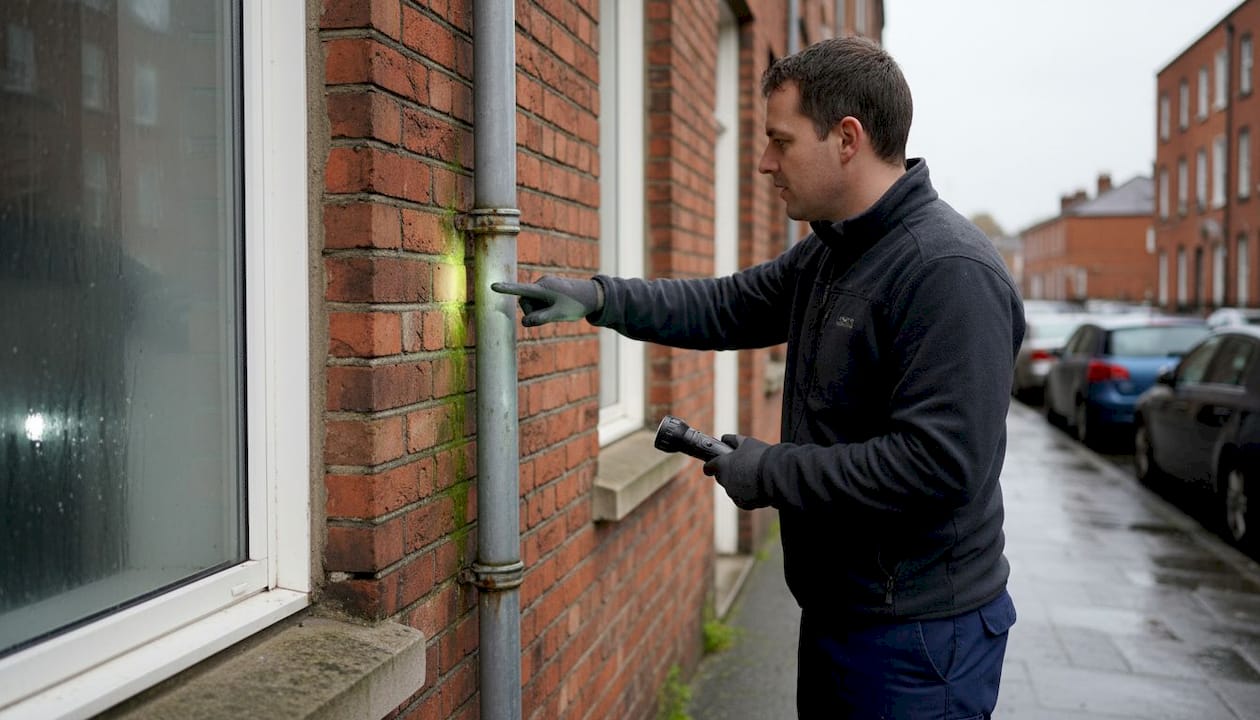
Irish weather brings sustained rainfall, coastal salt exposure in many Dublin areas, and winter freeze-thaw cycles that are particularly hard on masonry and render. Salt-laden air accelerates corrosion of metal components and degrades certain surface coatings faster than inland conditions would. This is not a minor issue. Historic or soft stone facades need gentler cleaning, severe weather demands immediate inspections, and coastal locations require more frequent upkeep overall.
Dublin has a significant stock of older properties, many built with soft limestone or brick, and finished with lime render rather than modern cement. These materials behave very differently from contemporary cladding systems. They need breathable coatings, gentle cleaning methods, and lime-based repointing rather than hard cement. Using the wrong products on these surfaces causes more damage than doing nothing at all.
Dublin-specific facade challenges to be aware of:
- Heavy and persistent rainfall leading to moss, algae, and biological growth on north-facing walls
- Coastal salt spray increasing corrosion risk for metal elements and degrading sealants faster
- Freeze-thaw cycles cracking render and spalling soft stone during winter
- Air pollution in busier urban areas causing accelerated surface staining
- Historic building regulations restricting certain materials or methods on protected structures
- Older properties with lime mortar that cannot tolerate high-pressure cleaning or cement-based repairs
Energy efficiency is another layer of the conversation. External wall insulation in Dublin costs €120 to €180 per square metre and can cut heating bills by up to 30%. This places insulated render systems firmly within the scope of facade maintenance work, particularly for older, poorly insulated properties.
Pro Tip: Always carry out a thorough inspection after storms and after winter. What looks like a hairline crack in October can allow enough water ingress over winter to cause serious internal damage by spring.
For a wider look at how consistent outdoor upkeep strategies protect and grow property value in Dublin, it is worth reviewing your full exterior care plan alongside your facade work.
Proactive vs reactive facade maintenance: Costs and long-term benefits
The biggest financial decision in facade care is not which products to use. It is when to act. Proactive maintenance, meaning scheduled inspections and routine upkeep, consistently outperforms reactive maintenance, which only happens after a problem becomes visible or urgent.
Proactive maintenance prevents costly repairs and fines, and the long-term savings comfortably outweigh any short-term costs. The numbers are not subtle. A repointing job carried out on schedule costs a fraction of what structural repair costs when water has been entering through failing mortar for several years.
| Factor | Proactive maintenance | Reactive maintenance |
|---|---|---|
| Average annual cost | Lower, predictable | Higher, unpredictable |
| Risk of major repair | Significantly reduced | High |
| Property value impact | Positive, sustained | Negative if deferred too long |
| Regulatory compliance | Easier to manage | Difficult when issues escalate |
| Safety risk | Minimised | Can become urgent or dangerous |
The practical benefits of staying ahead of facade issues include:
- Smaller, manageable costs spread over time rather than large emergency bills
- Continuous protection of the underlying structure and interior finishes
- Maintained or improved property value without last-minute expensive interventions
- Reduced risk of health and safety issues from deteriorating exterior elements
- Better compliance with any building regulations relevant to your property
"Dublin property owners who defer facade maintenance consistently pay more in the long run. A small crack ignored for two winters can mean full render replacement by spring."
Thinking long-term is especially important in the current Dublin property market, where presentation and condition directly affect both rental yields and sale prices. Understanding the critical role of maintenance in real estate value helps frame facade care not as an expense but as a straightforward investment.
Our take: What most Dublin property owners get wrong about facade maintenance
After working with Dublin homeowners and property managers across a wide range of properties, one pattern stands out clearly. Most people wait too long. They notice a problem, patch it, and move on without putting a regular schedule in place. That cycle is almost always more expensive than a simple annual check and clean.
The other common mistake is treating all facades the same way. Older Dublin properties with soft stone or lime render need a completely different approach from modern rendered or clad surfaces. Using the wrong method, even with good intentions, can accelerate damage rather than prevent it.
Local knowledge matters here. Teams familiar with Dublin's specific building stock and weather patterns notice things that a generalist operation might overlook. The right mortar type, the correct cleaning pressure, the best sealant for a north-facing wall: these details add up. Choosing local experts who understand the Dublin context is genuinely worth the consideration.
Thinking long-term with facades is not complicated. Set a schedule, stick to it, and address small issues before they grow. That approach will protect your property and your budget far more reliably than any reactive patch-up.
Professional facade maintenance made easy in Dublin
Keeping your facade in good condition does not have to be complicated when you have the right team behind you. At Sherry Property Care, we work with homeowners and property managers across Dublin to make exterior upkeep straightforward and stress-free.

From inspections and cleaning to surface preparation and protective treatments, our local knowledge and hands-on approach mean your property gets the attention it needs. We offer a free consultation so you can get expert advice without any commitment. Whether you are looking to boost your kerb appeal before a sale or simply protect your property for the long term, get in touch with the Dublin facade maintenance experts at Sherry Property Care today.
Frequently asked questions
How often should I arrange facade maintenance in Dublin?
Annual professional inspections and cleaning are recommended for most Dublin properties. More frequent checks are advisable after storms or if your property is in a high-pollution or coastal area, where routine cleaning annually may need to increase.
What is the main cause of facade problems in Dublin homes?
Harsh Irish weather, particularly sustained rain and frost cycles, is the primary driver of facade damage. Coastal and polluted areas accelerate deterioration further, making regular inspections especially important in those locations.
Are low-maintenance materials worth the investment for facades?
Yes. Switching to materials like uPVC for fascias and soffits reduces ongoing upkeep costs considerably. Prioritising low-maintenance uPVC elements means less frequent replacement and better long-term value compared to timber alternatives.
Does insulation count as facade maintenance?
External wall insulation is firmly part of facade maintenance. It improves energy efficiency, protects the wall structure, and external wall insulation costs €120 to €180 per square metre in Dublin while reducing heating bills by up to 30%.