TL;DR:
- Regular HVAC maintenance extends system lifespan, improves energy efficiency, and reduces breakdown risks. Homeowners should conduct basic tasks like filter replacement and debris clearing, while professionals handle electrical, refrigerant, and diagnostic work twice yearly. Keeping detailed records and booking early ensures optimal system performance and protects warranties.
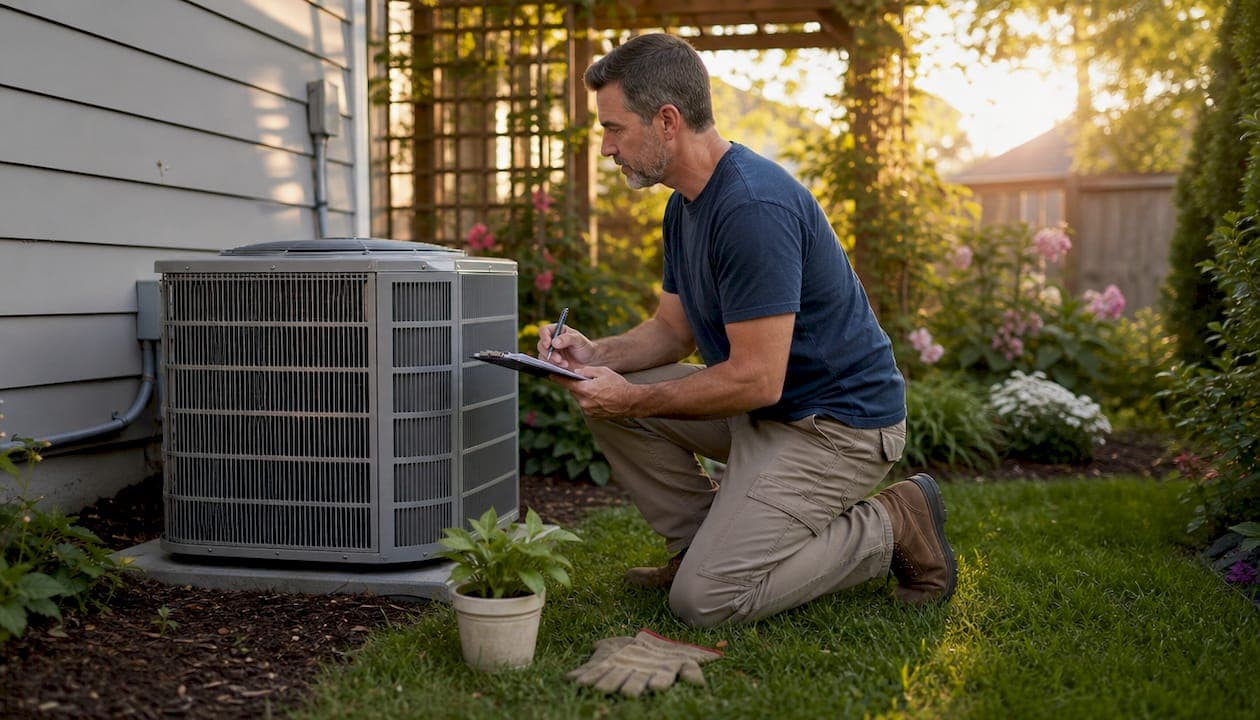
HVAC maintenance is defined as the scheduled servicing and upkeep of heating, ventilation, and air conditioning systems to keep them running efficiently and prevent breakdowns. For homeowners and property managers in Dublin, understanding what this involves is the difference between a system that lasts two decades and one that fails in under fifteen years. Well-maintained HVAC systems use 15–25% less energy and can cut unplanned breakdowns by up to 70%. Systems that receive annual professional attention last 18–22 years on average, compared to just 11–14 years for neglected ones. Manufacturers including Carrier and Trane require bi-annual professional servicing to keep warranty coverage valid. That requirement alone makes HVAC system upkeep a financial necessity, not just a comfort preference.
What is HVAC maintenance and what does a service visit include?
A professional HVAC maintenance visit covers far more than a quick visual check. Technicians work through a structured checklist that addresses every major component in the system.
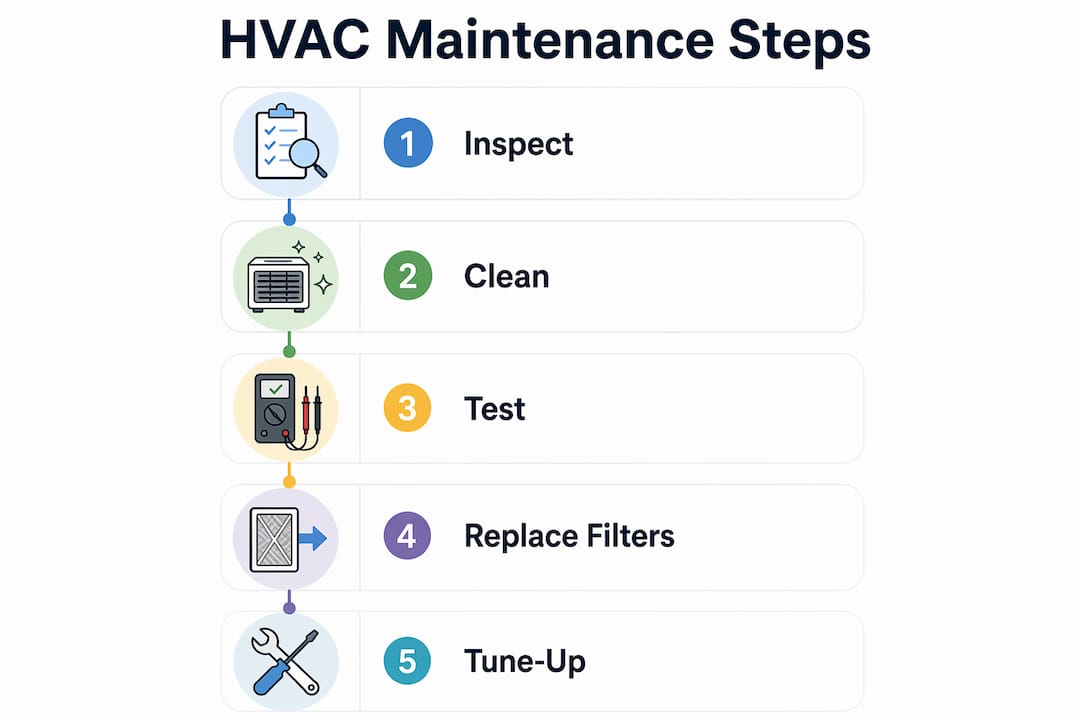
The core tasks in a standard residential visit include:
- Filter replacement or inspection: Dirty filters restrict airflow, raise energy use, and risk coil freezing. Filter checks are recommended monthly, with full replacement every 30–90 days depending on usage.
- Coil cleaning: Evaporator and condenser coils accumulate dust and grime, reducing heat transfer efficiency.
- Thermostat calibration: A miscalibrated thermostat causes the system to run longer than needed, wasting energy.
- Condensate drain flushing: Blocked drains lead to water damage and humidity problems inside the property.
- Electrical connection checks: Loose connections cause component failure and create safety risks.
- Refrigerant level assessment: Low refrigerant forces the compressor to work harder and shortens its life.
- Motor and belt inspection: Worn belts and failing motors are among the most common causes of mid-season breakdowns.
A proper professional tune-up goes beyond visual checks. Documented measurements such as refrigerant superheat values, capacitor readings, and temperature differentials are what separate a genuine service from a superficial one. If your technician leaves without recording any figures, ask why.
A standard residential visit lasts 45–75 minutes, with diagnostic fees typically between $65 and $150, not including any parts or repairs. In Dublin, pricing varies by provider, but the time and task scope are broadly similar.
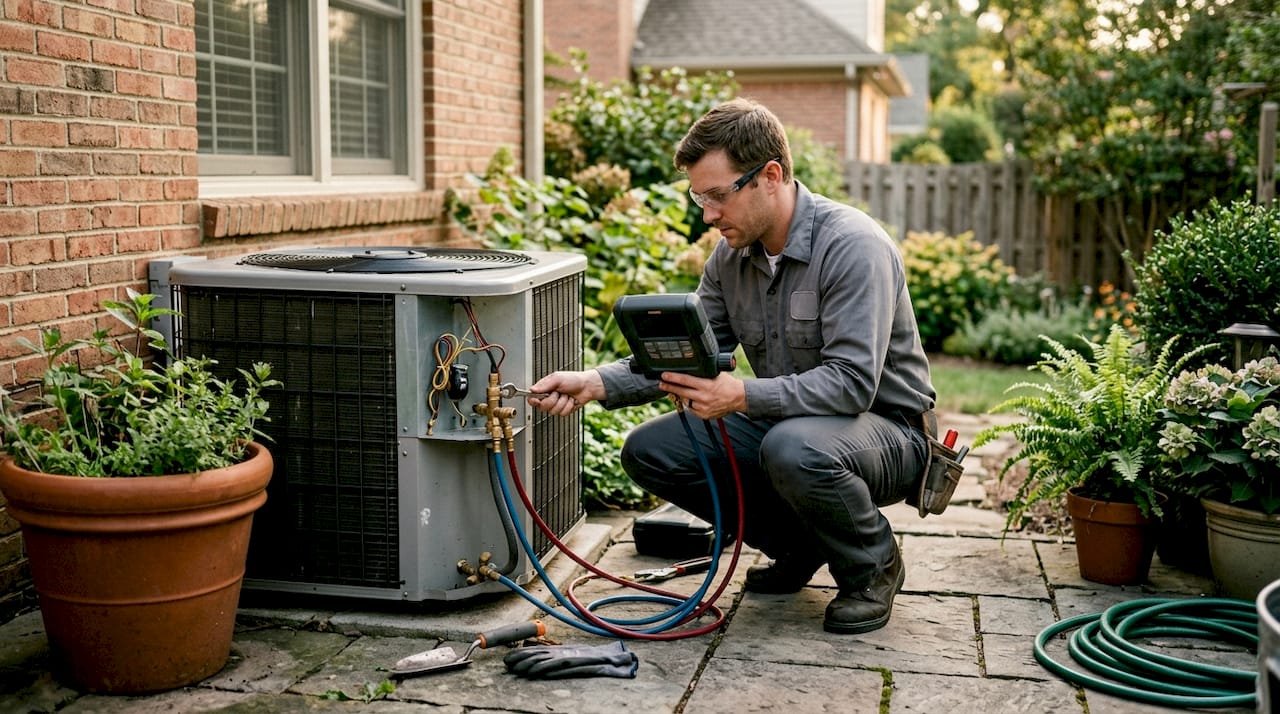
Pro Tip: Ask your technician for a written report showing the measurements taken during the visit. This record protects your warranty and gives you a baseline for future comparisons.
There is a clear difference between a routine filter change, a seasonal tune-up, and a full inspection. A filter change takes minutes and is a homeowner task. A seasonal tune-up covers the checklist above. A full inspection adds ductwork assessment and a detailed component report. Knowing which service you are booking prevents you from paying for less than you need.
How often should HVAC systems be serviced?
The standard recommendation is twice per year. One visit in spring prepares the cooling system before summer demand. One visit in autumn readies the heating system before winter. Manufacturers like Carrier and Trane require this bi-annual schedule to keep warranty coverage active.
The timing is deliberate. Scheduling before peak seasons means:
- Technicians are more available and less rushed than during a July heatwave or a January cold snap.
- Any faults found can be repaired before the system faces its heaviest workload.
- You avoid the premium call-out rates that come with emergency bookings in peak periods.
- Your system enters each season at full efficiency, not already degraded from the previous one.
Skipping a service has real consequences. Efficiency drops, energy bills rise, and the risk of a mid-season failure increases sharply. Beyond the practical impact, a missed service can void your manufacturer warranty on expensive components like compressors and heat exchangers. Proof of regular professional servicing is required by many manufacturers to honour warranty claims.
Between professional visits, homeowners have a clear monthly role. Check the air filter every four weeks. Replace it if it looks grey or clogged. Monitor the thermostat for unusual readings. Keep the area around outdoor units clear of debris. These simple steps cost almost nothing and protect the work done during professional visits.
Pro Tip: Book your spring and autumn service appointments in advance, ideally in february and august. Technician availability tightens quickly as the seasons change, and early booking often secures a better rate.
For Dublin property managers overseeing multiple units, scheduled maintenance planning across a portfolio prevents the chaos of staggered emergency calls and keeps service costs predictable.
What are the real benefits of regular HVAC servicing?
The benefits of HVAC servicing are measurable and direct. They fall into four clear categories: energy savings, equipment lifespan, air quality, and cost avoidance.
Regular HVAC maintenance reduces energy consumption by 15–25% and cuts the risk of unplanned breakdowns by up to 70%. For a Dublin homeowner running a system year-round, that translates to lower bills, fewer repair calls, and a system that lasts nearly a decade longer than one left without care.
The energy saving alone justifies the cost of two annual visits. A system working with clean coils, a calibrated thermostat, and correct refrigerant levels simply does not have to work as hard to reach the target temperature. Less effort means less electricity consumed.
Equipment lifespan is the second major gain. 90% of early HVAC failures are preventable with attention to filters, coils, capacitors, and motors. Replacing a compressor costs several times more than a decade of annual service visits. The maths strongly favour maintenance.
Air quality is an underappreciated benefit. Clean filters and coils mean the system circulates cleaner air through the property. For families with allergies or respiratory conditions, this is a direct health benefit.
Ductwork deserves specific attention. Duct leaks waste 20–30% of conditioned air, forcing the system to run longer and wear faster. Duct inspection and sealing should be part of every comprehensive maintenance visit, not an optional add-on. The importance of professional maintenance for Dublin properties extends well beyond the HVAC unit itself.
What can homeowners do themselves versus when to call a professional?
Homeowners can handle a defined set of tasks safely and effectively. Beyond that list, professional involvement is not optional.
Tasks homeowners can do themselves:
- Monthly filter inspection and replacement
- Clearing debris from around outdoor condenser units
- Checking and replacing thermostat batteries
- Flushing the condensate drain with diluted bleach solution
- Monitoring energy bills for sudden unexplained increases
Tasks that require a qualified technician:
- Electrical connection testing and tightening
- Refrigerant measurement and recharging
- Capacitor and contactor testing
- Motor and belt replacement
- Full safety diagnostics and system performance verification
The boundary exists for good reason. Refrigerant handling requires certification under environmental regulations. Electrical work on HVAC systems carries real risk of shock or fire if done incorrectly. Attempting these tasks without training can damage the system, void the warranty, and create safety hazards.
The air filter is the most critical homeowner-maintained component for system efficiency and longevity. Neglecting it is the single most common cause of avoidable HVAC problems. A £5 filter replacement every month or two prevents faults that cost hundreds to repair.
Pro Tip: Keep a physical or digital log of every maintenance visit, including the date, technician name, and measurements recorded. Documented service records are your primary protection if you ever need to make a warranty claim.
Beware of very low-cost "tune-up" offers. A genuine service visit takes 45–75 minutes and includes documented measurements. A £29 special that takes 20 minutes is almost certainly a sales call, not a maintenance visit. The differences between residential and commercial maintenance matter here too, as commercial systems require more frequent and more detailed servicing than residential ones.
Key takeaways
Regular HVAC maintenance is the single most cost-effective action a homeowner or property manager can take to protect their heating and cooling investment.
| Point | Details |
|---|---|
| Schedule twice yearly | Book professional visits in spring and autumn before peak demand seasons. |
| Energy and cost savings | Well-maintained systems use 15–25% less energy and suffer 70% fewer breakdowns. |
| Lifespan nearly doubles | Maintained systems last 18–22 years versus 11–14 years without regular care. |
| Keep service records | Documented visits protect your warranty and support any future repair claims. |
| Know the DIY boundary | Handle filters and basic checks yourself; leave electrical and refrigerant work to qualified technicians. |
Why I think most homeowners in Dublin get HVAC maintenance wrong
The most common mistake I see is treating HVAC servicing as something to arrange only when something goes wrong. By that point, the damage is already done and the bill is already large.
The second mistake is accepting a cheap tune-up without asking what it actually includes. A genuine service visit produces a written report with measurements. If you cannot see numbers on paper after a visit, you did not receive a real service. You received a sales pitch.
Booking early matters more than most people realise. Dublin technicians fill their autumn and spring slots quickly. Homeowners who wait until october to book a heating check often find themselves waiting weeks, sometimes into the cold season itself.
I also think the filter is chronically underestimated. Changing it monthly costs almost nothing. Failing to change it is the root cause of coil freezing, compressor strain, and poor air quality. No other single task delivers as much return for as little effort.
Finally, keep records. A folder with service dates, technician details, and measurement reports is worth real money if a compressor fails and you need to make a warranty claim. Manufacturers do not take your word for it.
— gerard
Reliable property maintenance in Dublin with Sherrypropertycare
Keeping your property in top condition goes beyond the systems inside it. Sherrypropertycare provides professional property maintenance services across Dublin, helping homeowners and property managers protect the value and appearance of their properties year-round.

Whether you manage a single home or a portfolio of properties in Dublin, Sherrypropertycare offers meticulous, reliable care tailored to your needs. From grounds upkeep to scheduled property maintenance, the team brings the same attention to detail that your HVAC system deserves inside to every aspect of your property outside. Get in touch with Sherrypropertycare today to request a personalised quote and keep your Dublin property performing at its best.
FAQ
What is HVAC maintenance exactly?
HVAC maintenance is the scheduled inspection, cleaning, and servicing of heating, ventilation, and air conditioning systems to keep them running efficiently and prevent breakdowns. It includes tasks such as filter replacement, coil cleaning, thermostat calibration, and electrical checks.
How often should an HVAC system be serviced?
Most manufacturers recommend professional servicing twice per year, once in spring before the cooling season and once in autumn before the heating season. Skipping visits can void your warranty and reduce system efficiency.
What happens if I skip HVAC maintenance?
Neglected systems use more energy, break down more often, and fail years earlier than maintained ones. Early failures in filters, coils, and motors account for the majority of avoidable HVAC repairs.
Can I maintain my HVAC system myself?
Homeowners can safely handle monthly filter checks and basic cleaning around outdoor units. Electrical testing, refrigerant work, and safety diagnostics require a qualified technician due to safety and regulatory requirements.
How long does a professional HVAC service visit take?
A standard residential HVAC maintenance visit takes 45–75 minutes and should include documented measurements of refrigerant levels, electrical readings, and temperature differentials, not just a visual inspection.