TL;DR:
- Proper infrastructure maintenance involves regular inspections, preventive repairs, and strategic asset management to protect property value and safety. Prioritizing scheduled upkeep reduces costs, prevents failures, and ensures compliance with Irish housing standards in Dublin. Building a clear maintenance schedule and working with reliable contractors helps property owners avoid costly emergency repairs and unexpected damage.
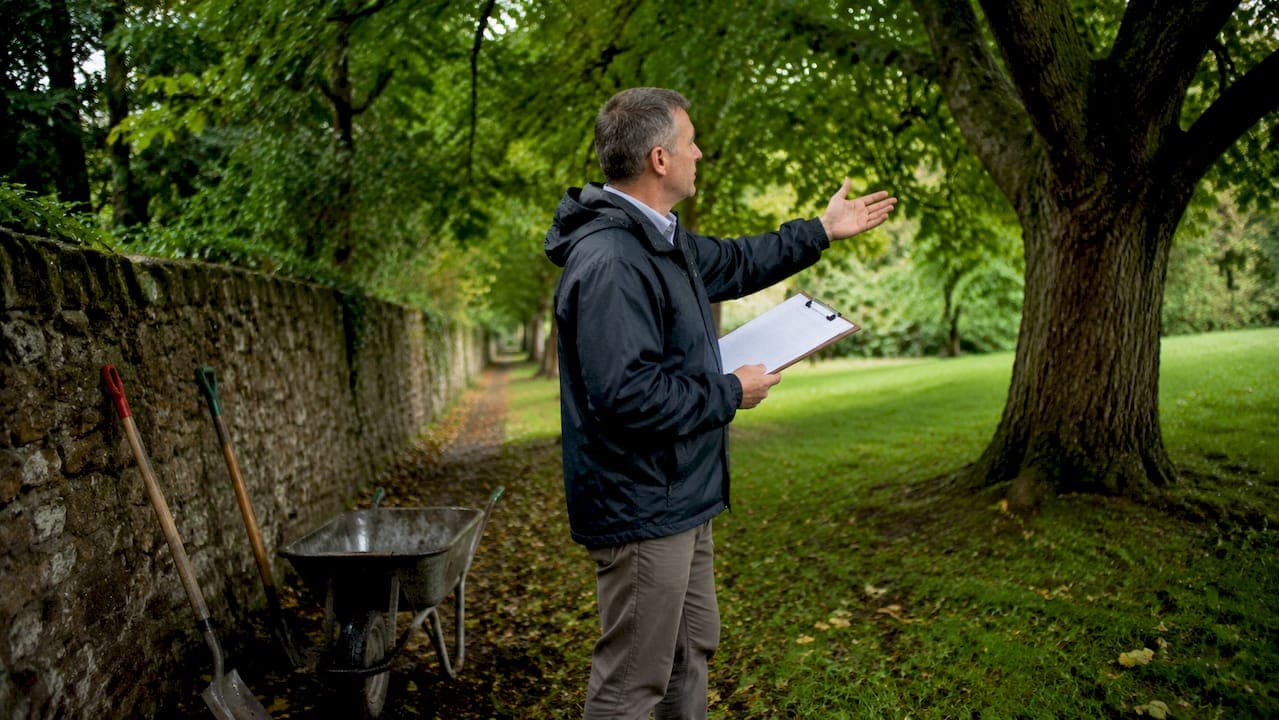
Infrastructure maintenance is defined as the ongoing, planned upkeep of physical assets and facilities to preserve their condition, extend their service life, and protect their value. For property owners and managers in Dublin, this covers everything from roof inspections and drainage checks to pavement sealing and HVAC servicing. The industry standard term is asset maintenance, and it sits within the broader discipline of infrastructure asset management. Getting this right is not optional. Preventive upkeep costs 3 to 5 times less than emergency repairs, making early intervention the most cost-effective decision a property owner can make.
What is infrastructure maintenance and what does it cover?
Infrastructure maintenance is the structured practice of inspecting, repairing, and preserving the physical components of a property before they fail. It applies to both residential and commercial properties across Dublin, covering assets above and below ground.
The three core types of maintenance are:
- Preventive maintenance: Scheduled tasks carried out before problems arise. Examples include annual boiler servicing, gutter clearing in autumn, and repainting exterior woodwork every three to five years.
- Corrective maintenance: Repairs made after a fault is identified. A cracked roof tile or a broken gate latch falls into this category.
- Predictive maintenance: Condition-based monitoring that flags issues before they become failures. Thermal imaging of flat roofs and moisture readings in walls are practical examples used by professional property managers.
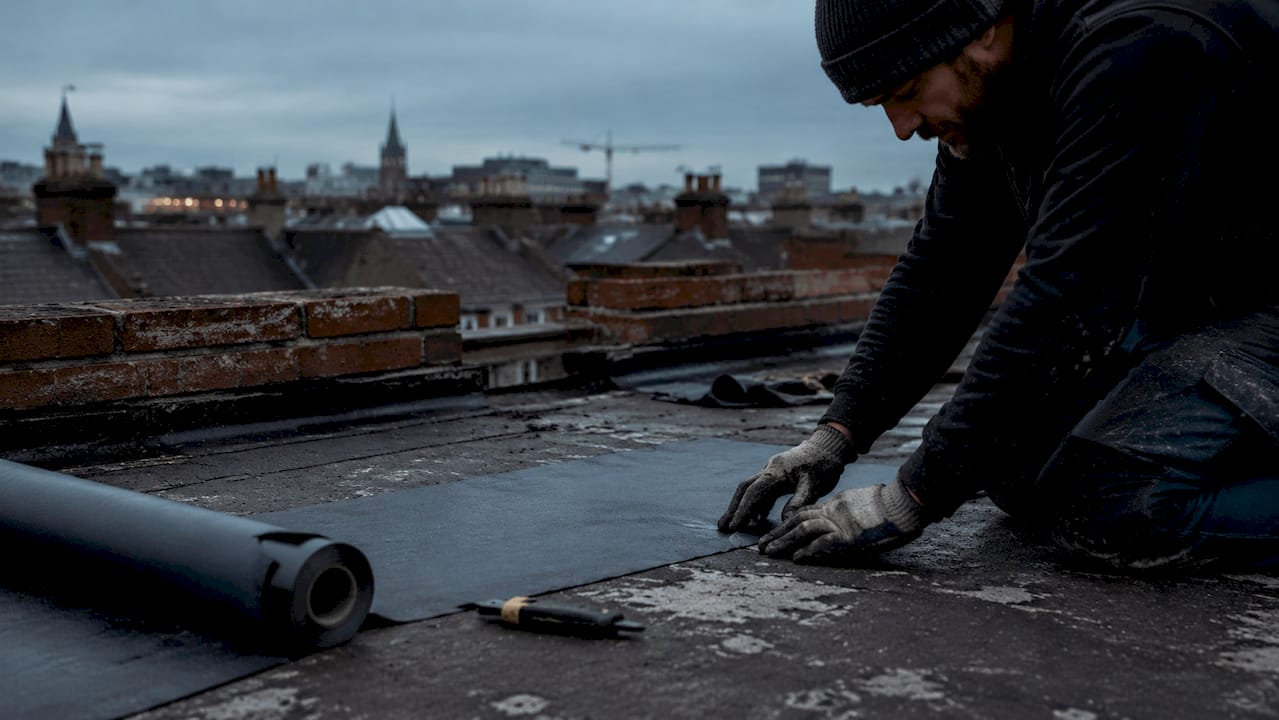
Common infrastructure maintenance examples for Dublin properties include roof repair and waterproofing, pavement and driveway sealing, HVAC servicing, drainage clearance, boundary wall repairs, and grounds upkeep such as lawn care and hedge trimming. Each asset type has its own maintenance interval. Pavements, for instance, benefit from sealcoating every 2–4 years and annual crack filling for any crack exceeding one quarter of an inch.
Pro Tip: Schedule a full property inspection every spring in Dublin. The wet winter months accelerate wear on roofing, pointing, and drainage systems, and catching issues in March costs far less than addressing them in August when contractors are at peak demand.
Why is infrastructure maintenance important for property value and safety?
Regular upkeep directly protects the financial value of your property and the safety of everyone who uses it. The numbers make this clear.
Investing £1 in preventive maintenance saves between £4 and £10 in future repair costs. That is not a marginal gain. It means a £500 annual maintenance programme can prevent £2,000 to £5,000 in reactive repairs over the same period.
The risks of doing nothing are equally concrete:
- Deferred maintenance compounds at 7% annually and can ultimately cost ten times more than the original repair.
- A £5,000 crack sealing job deferred for five years can escalate to £35,000–£50,000 for base repairs or full overlays.
- Inadequate maintenance reduces operational capacity by up to 20% through unexpected downtime and equipment failure.
For Dublin landlords, deferred maintenance also creates legal exposure. Properties with structural defects, faulty heating, or unsafe access routes breach landlord obligations under Irish housing standards. Regular upkeep removes that risk. It also keeps tenants satisfied, reducing vacancy rates and protecting rental income. You can find a practical starting point in this Dublin landlord maintenance checklist for 2026.
How does asset management differ from maintenance?
Many property owners treat these two terms as interchangeable. They are not, and confusing them leads to reactive rather than strategic upkeep.
"Maintenance is operational and focused on keeping assets functional. Asset management is strategic and organisation-wide, governing lifecycle planning and investment decisions." — Ohros Consulting Group
Maintenance is what your team or contractor does on a Tuesday morning. Asset management is the framework that decides which assets to prioritise, when to replace rather than repair, and how to allocate budget across a portfolio of properties.
Infrastructure asset management involves assessing each asset's condition, its financial maintenance burden, and its remaining service life. This informs decisions like whether to repair a flat roof for the third time or replace it entirely. For a Dublin property manager overseeing multiple units, this distinction matters enormously. Without an asset management framework, you end up spending reactively on whichever problem shouts loudest rather than investing where it counts most.
Successful property maintenance integrates tactical day-to-day upkeep with strategic lifecycle planning. The two approaches work together, not in isolation.
How to maintain infrastructure: a practical programme for dublin properties
Building a maintenance programme does not require specialist software or a large team. It requires a clear process and consistent follow-through.
-
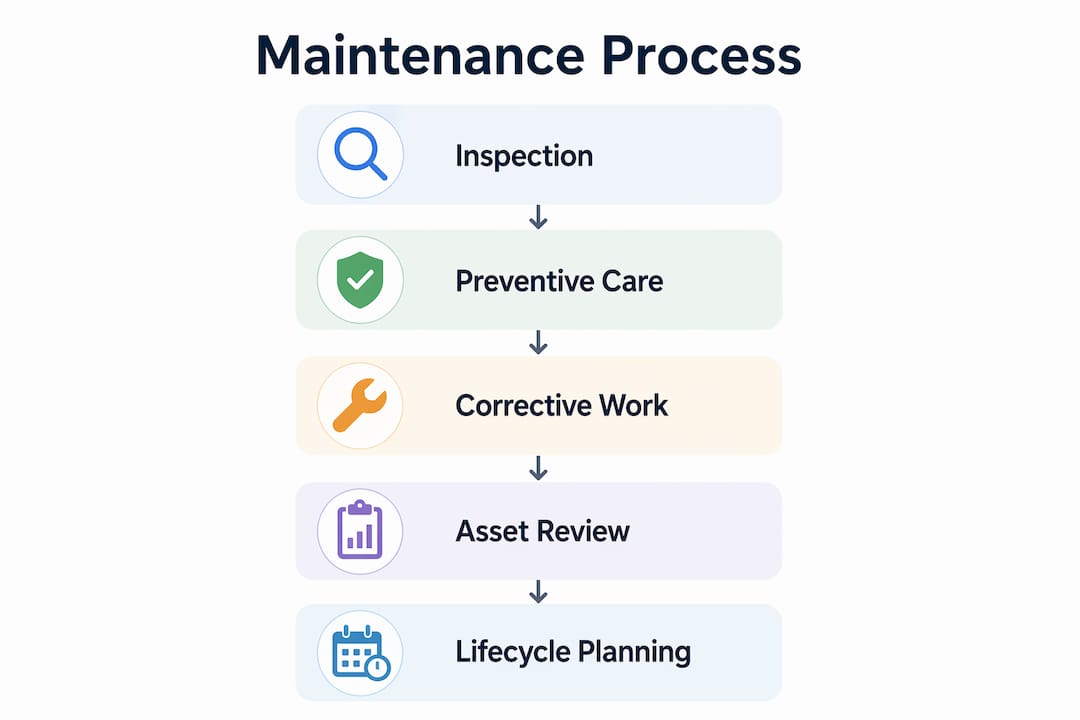
Conduct a condition assessment. Walk every asset on your property and record its current state. Note visible defects, age, and last service date. For Dublin properties, pay particular attention to roofing, guttering, boundary walls, and paved surfaces, all of which take a battering from Atlantic weather.
-
Build a maintenance schedule by asset lifecycle. Group assets by how frequently they need attention. Gutters need clearing twice a year. Boilers need annual servicing. External paintwork typically needs refreshing every five to seven years. A written schedule removes the guesswork and keeps you ahead of failures. This guide on effective maintenance scheduling covers the process in detail.
-
Select contractors carefully. Use contractors who provide written reports after each visit, not just an invoice. Documentation is your evidence of compliance and your record for future planning. Ask for photos of completed work on Dublin properties similar to yours.
-
Use maintenance management tools. Software platforms like Fixflo, Property Meld, and Arthur Online allow Dublin landlords and property managers to log jobs, track contractor visits, and set automated reminders. These tools shift your workflow from emergency fire drills to planned visits, improving both budget predictability and service quality.
-
Track performance over time. Record repair costs, frequency of faults, and contractor response times. After twelve months, you will have clear data showing which assets are underperforming and where to direct next year's budget.
Pro Tip: Dublin's climate means autumn is your highest-risk season for drainage and roofing failures. Book your pre-winter inspection in September, before contractor diaries fill up and before the first heavy rainfall exposes problems you could have fixed cheaply in summer.
For seasonal guidance specific to Irish properties, the seasonal maintenance tips for Dublin homes resource is worth bookmarking.
Structured preventive maintenance leads to fewer emergencies and measurably better budget predictability. Property owners who avoid large, unexpected repair bills do so by investing at the right times, not by spending the most.
Key takeaways
Effective infrastructure maintenance protects property value, reduces long-term costs, and prevents safety failures by combining scheduled upkeep with strategic asset management.
| Point | Details |
|---|---|
| Preventive maintenance saves money | Every £1 spent on planned upkeep saves £4–£10 in future repair costs. |
| Deferred repairs compound fast | Ignored maintenance grows at 7% annually and can cost ten times more than the original fix. |
| Maintenance and asset management differ | Maintenance is day-to-day; asset management is the strategic framework that governs lifecycle decisions. |
| Schedule by asset type | Different assets need different intervals: gutters twice yearly, boilers annually, pavements sealed every 2–4 years. |
| Documentation protects you | Written records of inspections and repairs demonstrate compliance and inform future budget planning. |
What i have learned from years of property upkeep in dublin
The most common mistake I see property owners make is treating maintenance as a cost rather than an investment. They defer the £300 gutter repair in October and then spend £2,500 on ceiling damage in February. The maths never works in their favour.
The second mistake is confusing having a contractor on call with having a maintenance programme. Reactive relationships with tradespeople are not a strategy. They are expensive improvisation. The property owners who genuinely protect their assets are the ones with a written schedule, a condition log, and a contractor they brief in advance, not one they call in a panic.
Dublin's climate adds a specific layer of urgency. The combination of high rainfall, Atlantic winds, and temperature fluctuation between seasons puts roofing, pointing, drainage, and external surfaces under consistent stress. Properties here deteriorate faster than in drier climates when left unattended. That is not an excuse for higher costs. It is a reason to plan more carefully.
My honest advice: start with a single condition assessment this year. Write down every asset, its age, and its last service date. That document alone will show you where your risks are. From there, build a schedule and stick to it. The property owners in Dublin who do this consistently are the ones who avoid the large, unexpected bills that derail budgets and damage tenant relationships.
— gerard
How Sherrypropertycare supports dublin property owners
If you manage a property in Dublin and want professional grounds and infrastructure upkeep handled properly, Sherrypropertycare is the team to call. From lawn care and hedge trimming to full grounds maintenance programmes, Sherrypropertycare delivers meticulous, scheduled care tailored to your property's specific needs.
Getting started is straightforward. Send a photo of your grounds and Sherrypropertycare will provide a customised quote based on what your property actually needs, not a generic price list. Whether you manage a single residential property or a portfolio of commercial sites across Dublin, the team brings the same attention to detail and reliability to every job. Visit Sherrypropertycare to request your quote today.
FAQ
What does infrastructure maintenance involve?
Infrastructure maintenance involves scheduled inspections, preventive repairs, and corrective work across a property's physical assets, including roofing, drainage, pavements, HVAC systems, and grounds. The goal is to preserve condition and prevent costly failures.
How often should property owners carry out maintenance inspections?
Most property professionals recommend a full inspection at least twice a year, typically in spring and autumn. Dublin's wet climate makes the pre-winter check in September or October particularly important for roofing and drainage systems.
What is the difference between preventive and corrective maintenance?
Preventive maintenance is planned work carried out before a fault occurs, such as annual boiler servicing. Corrective maintenance is reactive work done after a fault is identified, such as repairing a broken fence panel or a leaking pipe.
Why does deferred maintenance cost more in the long run?
Deferred maintenance compounds at approximately 7% annually and can ultimately cost ten times more than the original repair. A small crack sealing job ignored for five years can grow into a full pavement replacement.
What is the infrastructure upkeep meaning for landlords specifically?
For landlords, infrastructure upkeep means maintaining all physical elements of a rental property to a standard that meets Irish housing regulations, protects tenant safety, and preserves the long-term value of the investment.