
TL;DR:
- Interior maintenance involves ongoing, proactive care of systems, surfaces, and safety equipment to preserve property value and safety.
- Neglecting key components like mechanical systems, surfaces, safety devices, and appliances can lead to expensive repairs and deterioration.
Interior maintenance is defined as the ongoing, systematic care of a building's internal features, including mechanical systems, surfaces, safety equipment, and materials, to preserve both function and appearance over time. It is not a one-off clean or a seasonal tidy. For Dublin homeowners and property managers, understanding what is interior maintenance means recognising that proactive upkeep protects your investment, keeps occupants safe, and prevents the kind of costly repairs that reactive approaches always produce. The difference between a property that holds its value and one that quietly deteriorates often comes down to whether a structured maintenance routine is in place.
What are the key components of interior maintenance?
Interior maintenance covers four primary pillars, and neglecting any one of them creates problems that ripple across the others.
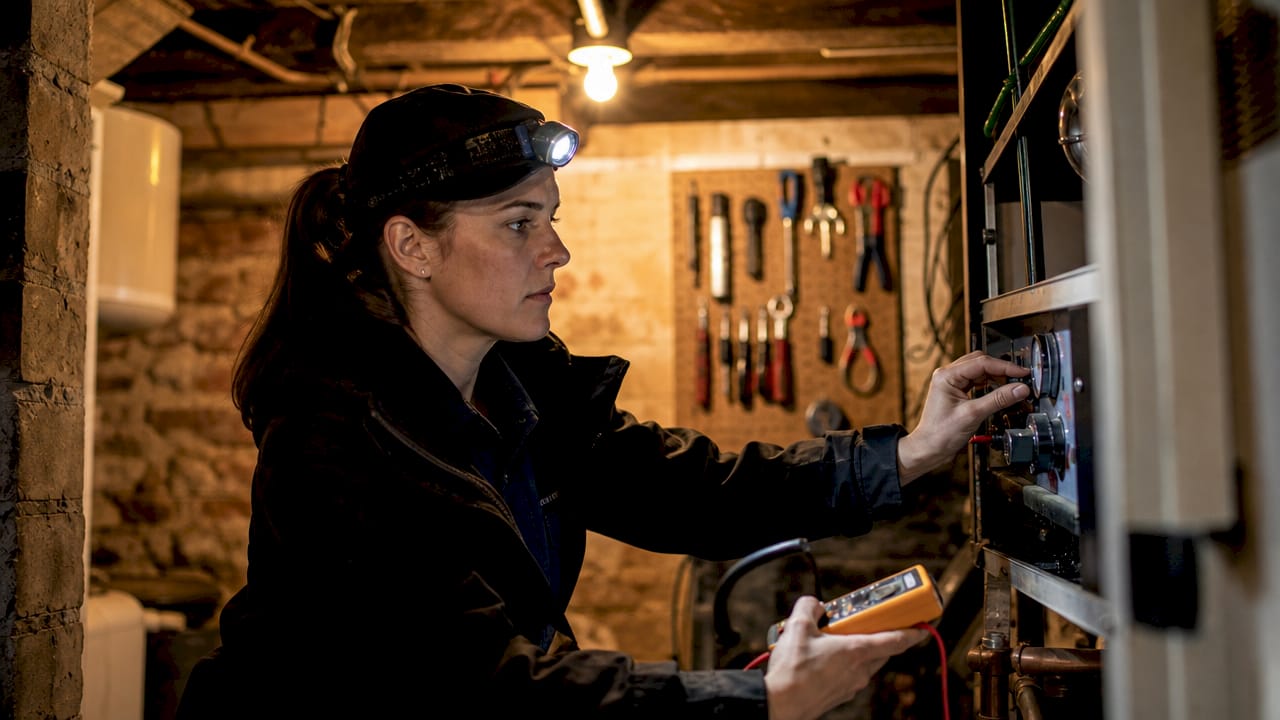
Mechanical systems are the starting point. Your HVAC, plumbing, and electrical infrastructure require scheduled checks rather than attention only when something fails. Clogged AC filters reduce cooling efficiency by 5 to 15%, which means higher energy bills and accelerated wear on the unit itself. Plumbing inspections catch slow leaks before they cause structural damage, and electrical checks identify overloaded circuits before they become fire risks.
Surface care covers floors, walls, cabinetry, and paintwork. Repainting every three to five years prevents surface degradation and keeps walls looking fresh rather than tired. Wood floors, stone worktops, and tiled surfaces each require different cleaning agents and schedules, which is why material knowledge matters as much as effort.
Safety equipment must be inspected on a fixed schedule. Smoke detectors, carbon monoxide alarms, and fire extinguishers are not set-and-forget items. Monthly testing and annual professional checks are the standard.
Appliance upkeep rounds out the picture. Fridge door seals, extractor fan vents, and waste disposal units all accumulate wear that shortens their lifespan if ignored.
A practical interior upkeep checklist looks like this:
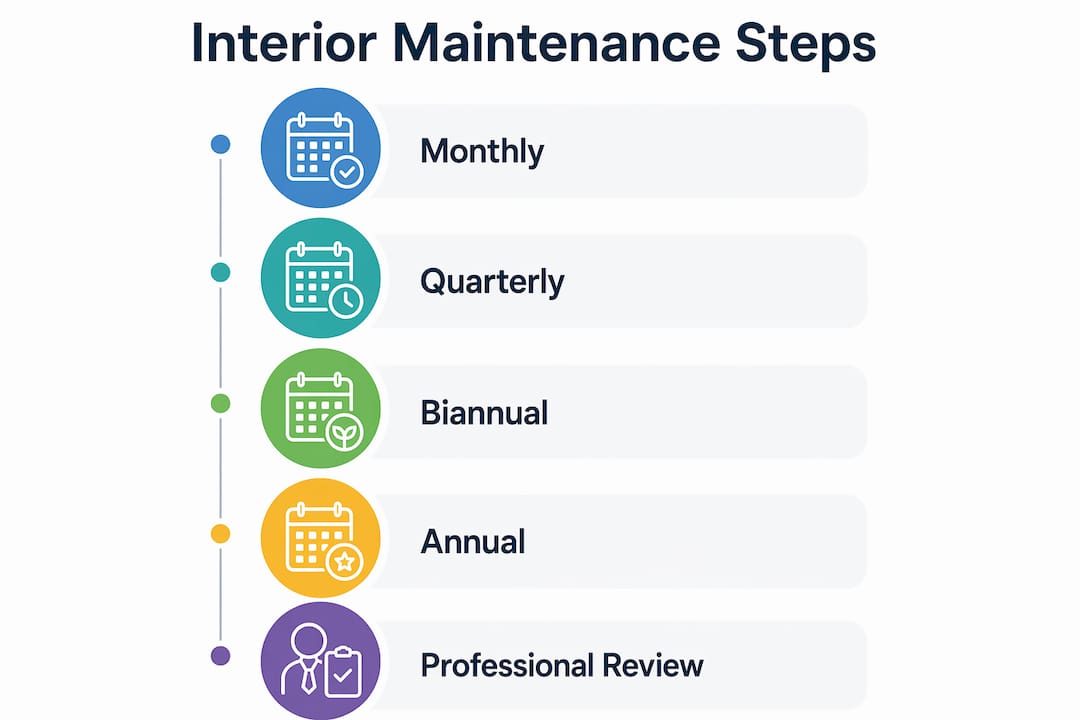
- Monthly: test smoke alarms, check for dripping taps, wipe down appliance seals, inspect grout for discolouration
- Quarterly: clean HVAC filters, inspect wood floors for scratches or lifting, check under sinks for moisture
- Annually: professional boiler service, electrical inspection, full repaint assessment, deep clean of upholstery
Pro Tip: Schedule your quarterly checks on the first weekend of each new season. Tying tasks to seasonal change makes them easier to remember and ensures you catch weather-related issues, such as condensation or draught, at the right time.
Why is interior maintenance important for homeowners and property managers?
The importance of interior maintenance is financial as much as aesthetic. Properties that receive consistent upkeep retain their value far more reliably than those maintained reactively. Proactive planning protects a building's financial lifecycle and occupant safety, which matters whether you are a Dublin landlord managing a rental portfolio or a homeowner protecting your family home.
For commercial property managers, the stakes are even more direct. Neglected interior condition signals unprofessionalism and lowers repeat visits from customers or tenants. A worn reception area, peeling paint in a corridor, or a malfunctioning ventilation system communicates that the building is not well managed. That perception has real financial consequences.
"The best interiors balance aesthetics with functionality through design choices that inherently facilitate maintenance and reduce upkeep burdens." — Lord Decor
Health and safety compliance is another non-negotiable reason to prioritise regular upkeep. In Ireland, landlords have legal obligations regarding the condition of rental properties. Damp walls, faulty heating, and broken safety equipment are not just maintenance failures. They are potential legal liabilities. Consistent interior maintenance keeps you on the right side of those obligations without scrambling to fix problems before an inspection.
The financial case is straightforward. Replacing a boiler costs several thousand euros. Servicing it annually costs a fraction of that. The same logic applies to floors, windows, and plumbing. Maintenance is always cheaper than repair.
How does interior maintenance differ from general cleaning?
General cleaning removes visible dirt. Interior maintenance addresses the condition of materials and systems at a deeper level, and the distinction matters more than most people realise.
Professional maintenance is architectural preservation, guiding how materials age to accrue character rather than damage. A marble floor that is cleaned with the wrong product will etch and dull over time. A wood floor mopped with excess water will warp. These are not cleaning failures. They are maintenance failures caused by applying the wrong approach to the wrong material.
The correct sequence for any maintenance task follows this order:
- Diagnose first. Identify whether there is an underlying issue such as moisture ingress, poor ventilation, or a blocked drain before you clean anything. Skipping failure audits leads to wasted effort and ongoing damage.
- Select material-appropriate products. Stone, timber, painted plaster, and vinyl each respond differently to cleaning agents. Using a generic multi-surface spray on natural stone is a common and costly mistake.
- Address the root cause. If mould appears on a bathroom ceiling, cleaning it without improving ventilation means it returns within weeks.
- Schedule by material need, not calendar habit. Wood floors benefit from quarterly attention; stone kitchen surfaces need periodic sealing; upholstery collects oils continuously and benefits from professional care once or twice a year.
Pro Tip: Before using any new cleaning product on a surface, test it on a small, hidden area first. This is particularly relevant for older Dublin homes with original tiling, period cornicing, or heritage woodwork that may react unpredictably to modern chemical formulations.
What practical tips and checklists can help maintain interiors effectively?
Effective interior maintenance tips are most useful when they are specific rather than general. Here is a comparison of reactive versus proactive approaches across common interior areas:
| Area | Reactive approach | Proactive approach |
|---|---|---|
| HVAC filters | Replace when airflow drops noticeably | Clean or replace every three months |
| Wood floors | Sand and refinish when visibly damaged | Apply protective coating quarterly, address scratches promptly |
| Grout and tiles | Regrout when crumbling | Seal grout annually, clean with pH-neutral products |
| Paintwork | Repaint when peeling or stained | Inspect annually, touch up as needed, full repaint every three to five years |
| Upholstery | Replace when worn | Professional clean annually, spot treat immediately after spills |
Beyond scheduling, design choices make a real difference to how easy a space is to maintain. Matt paint finishes on walls hide minor scuffs better than gloss. Large-format floor tiles have fewer grout lines to clean. Built-in storage reduces surface clutter that traps dust. These are not decorating preferences. They are maintenance decisions made at the design stage.
Climate control is an often-overlooked element of how to maintain interiors in Dublin specifically. The city's damp Atlantic climate means humidity management is a genuine concern. Keeping indoor relative humidity between 40% and 60% prevents condensation on windows, reduces mould risk, and protects timber furniture and flooring. A basic hygrometer costs very little and tells you immediately whether your ventilation is adequate.
Watch for these warning signs that indicate an underlying problem rather than a surface issue:
- Persistent musty smell despite regular cleaning
- Bubbling or flaking paint on interior walls
- Discolouration around window frames or skirting boards
- Doors or windows that stick or warp seasonally
How does exterior maintenance affect interior conditions?
The outside-in approach to property care recognises that interior condition is directly dependent on the integrity of the building's exterior. Roof issues result in 60% greater loss costs, and that damage flows directly into interiors through water ingress, mould growth, and structural rot. This figure underlines why interior maintenance services cannot be considered in isolation from what is happening on the roof, in the gutters, and around the building envelope.
For Dublin properties, this connection is particularly relevant. Heavy rainfall, wind-driven moisture, and older building stock combine to make exterior integrity a constant concern. A blocked gutter in October can mean a damp internal wall by January. By that point, the interior damage, plaster staining, mould growth, and potential timber rot, costs far more to fix than the gutter clearance would have.
Key exterior factors that directly affect interior condition include:
- Roof condition: missing or cracked tiles allow water to penetrate roof spaces and ceilings
- Gutter and downpipe clearance: blockages cause overflow that saturates external walls and seeps inward
- Window and door seals: failed seals allow draught and moisture ingress, damaging frames and surrounding plasterwork
- Exterior wall condition: cracks in render or pointing allow moisture to track through to internal surfaces
Integrating your exterior property maintenance schedule with your interior upkeep plan is the most practical way to protect your property as a whole. Inspect the exterior in autumn before the worst of the weather arrives, and use those findings to inform your interior checks for the winter months.
Key takeaways
Interior maintenance is the systematic, proactive care of a building's internal systems, surfaces, and materials, and it is the single most reliable way to protect property value over time.
| Point | Details |
|---|---|
| Definition matters | Interior maintenance is ongoing care of systems and materials, not just routine cleaning. |
| Proactive beats reactive | Scheduled upkeep costs a fraction of emergency repairs and prevents legal compliance issues. |
| Material knowledge is critical | Using the wrong product on stone, timber, or plaster causes damage that cleaning cannot reverse. |
| Exterior integrity drives interior condition | Roof and gutter failures are the leading cause of interior water damage and mould. |
| Design supports maintenance | Choosing materials and layouts that are easy to maintain reduces long-term upkeep burden. |
What I have learnt from Dublin properties over the years
Working with properties across Dublin, from Victorian terraces in Ranelagh to modern apartments in Sandyford, one pattern stands out clearly. The homeowners and landlords who spend the least on repairs are the ones who never wait for something to break before they act.
The most common mistake I see is treating interior maintenance as a response to visible problems. A crack appears, so someone fills it. A pipe drips, so someone calls a plumber. That approach is always more expensive than it needs to be, and it often means the underlying cause, poor ventilation, inadequate sealing, or a blocked gutter, goes unaddressed.
Dublin's older housing stock presents specific challenges. Pre-war homes often have original timber floors, lime plaster walls, and single-glazed windows. These materials behave differently from modern equivalents and need material-specific care. Applying modern sealants to lime plaster, for example, traps moisture rather than allowing the wall to breathe, which creates the very damp problem you were trying to prevent.
My honest advice is to think of your property as something that ages well with attention and poorly without it. A scheduled maintenance plan does not need to be complicated. It needs to be consistent. Combine that with professional inspections once or twice a year, and you will spend less, worry less, and own a property that holds its value through Dublin's unpredictable weather and market cycles.
— gerard
Keep your Dublin property in excellent condition
If you are ready to take a more structured approach to your property's upkeep, Sherrypropertycare is here to help. Based in Dublin, Sherrypropertycare provides professional grounds and property maintenance services tailored to the specific needs of residential and commercial properties across the city.

Whether you manage a single family home or a portfolio of rental properties, combining your interior maintenance routine with professional exterior care is the most effective way to protect your investment. Sherrypropertycare offers customised property care plans that fit your property and your schedule. Get in touch today to discuss what your property needs.
FAQ
What is interior maintenance in simple terms?
Interior maintenance is the regular, planned care of a building's internal features, including systems, surfaces, and safety equipment, to keep them functional, safe, and in good condition over time.
How often should interior maintenance be carried out?
Basic checks should happen monthly, deeper inspections quarterly, and a full professional review at least once a year. The exact frequency depends on the age of the property and the materials involved.
Is interior maintenance different from a deep clean?
Yes. A deep clean addresses surface dirt, while interior maintenance diagnoses and addresses the condition of materials and systems, including identifying root causes like moisture or ventilation problems before cleaning begins.
Why does exterior maintenance matter for interior upkeep?
Roof and gutter failures are the primary cause of interior water damage and mould. Maintaining the building's exterior envelope is a prerequisite for keeping interiors in good condition, particularly in Dublin's wet climate.
What are the most important items on an interior upkeep checklist?
The highest-priority items are HVAC filter checks, smoke and carbon monoxide alarm testing, inspection for moisture or mould, and assessment of paintwork and floor surfaces. These cover the areas most likely to cause costly damage or safety issues if neglected.