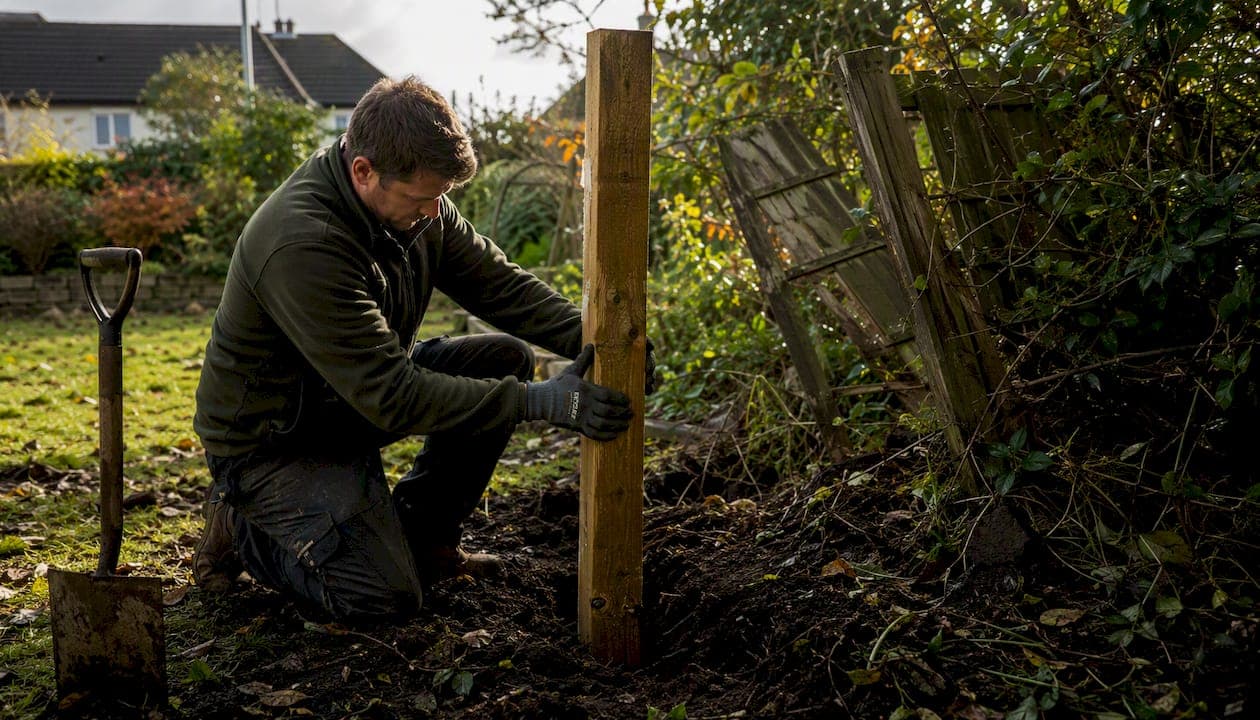
Reactive maintenance for gardens and grounds means on-call, as-needed corrective repairs and clean-ups carried out after an unexpected incident occurs. A fence collapses after a storm, a drain backs up and floods a path, or a hedge falls across a boundary: you call, a crew attends, and the problem is fixed. Sherrypropertycare covers exactly this kind of work across Dublin, carrying full public liability and employer's liability insurance and providing customised written quotes based on photos or a site inspection. Send photos of the damage and you can have a written estimate back quickly.
Key takeaways
Reactive maintenance for gardens means on-call corrective repairs after an incident, and combining it with planned seasonal checks gives Dublin landlords the best cost and safety outcome.
| Point | Details |
|---|---|
| Reactive maintenance definition | On-call, as-needed corrective grounds repairs carried out after an incident to restore safety or function. |
| When to call immediately | Safety-critical incidents (collapsed fencing, blocked emergency access, fallen trees) need same-day attendance. |
| Cost and response time | Same-day for emergencies; 24–48 hours for high-priority issues; always get a written, itemised quote first. |
| Combine with planned maintenance | Reactive-only approaches cost more over time; seasonal inspections reduce the frequency of emergency calls. |
| Sherrypropertycare | Provides written quotes based on photos, full insurance cover, and reactive grounds maintenance across Dublin. |
Table of Contents
- What does reactive maintenance for gardens actually cover?
- When should you call reactive maintenance?
- How does reactive maintenance differ from planned maintenance?
- What do reactive maintenance jobs typically cost?
- How a professional reactive contractor handles a job
- How to choose a reactive grounds contractor in Dublin
- A reactive call handled by Sherrypropertycare: Dublin case example
- Why a mixed approach pays for Dublin properties
- Sherrypropertycare: on-demand reactive cover for Dublin properties
- Sources
- FAQ
What does reactive maintenance for gardens actually cover?
Reactive grounds maintenance means work carried out after an issue arises rather than on a fixed schedule. The goal is to restore safety or functionality fast. Common reactive tasks include:
- Storm debris and fallen branch clearance
- Emergency tree and hedge pruning
- Hardscape repairs (cracked paving, loose kerbing, pothole patching)
- Drainage and flooding response (blocked gullies, standing water)
- Fencing and gate repairs
- Turf and plant restoration after damage
- Pressure washing and post-incident clean-ups
- Urgent weed or pest response
Scenario 1: A storm brings down a large branch across a rear garden path overnight. The path is a tenant access route. A reactive call gets the branch removed, the path cleared, and the stump cut flush the same day.
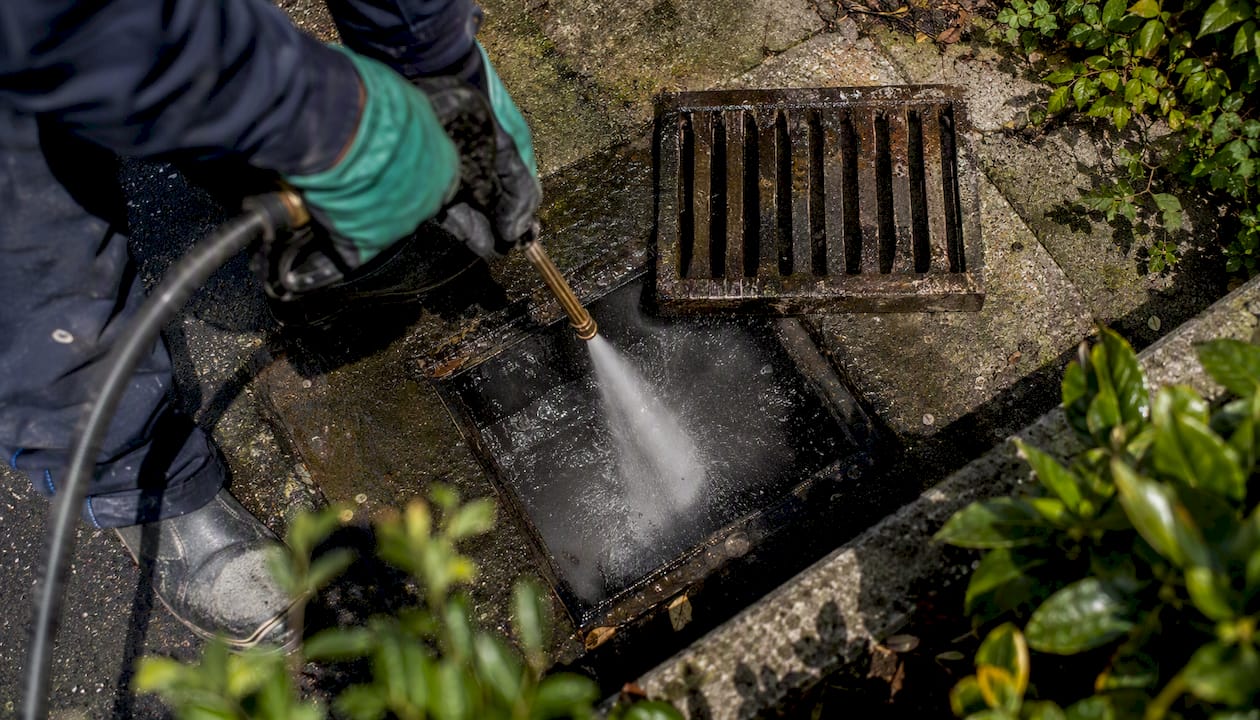
Scenario 2: A blocked gully causes surface water to pool against a ground-floor door. A reactive drainage response clears the blockage, jetting the gully and removing the standing water before it reaches the threshold.
A single reactive visit does not cover major landscaping redesigns or non-urgent seasonal work such as routine lawn feeds or scheduled hedge trimming. Those belong in a planned maintenance programme.
Pro Tip: Take photos of the affected area from multiple angles before calling. A clear image of the damage, access point, and any nearby hazards lets a contractor give you a far more accurate written quote without needing a preliminary site visit.
When should you call reactive maintenance?
Not every garden problem needs a same-day crew. Triaging correctly saves money and gets the right response to the right incident.
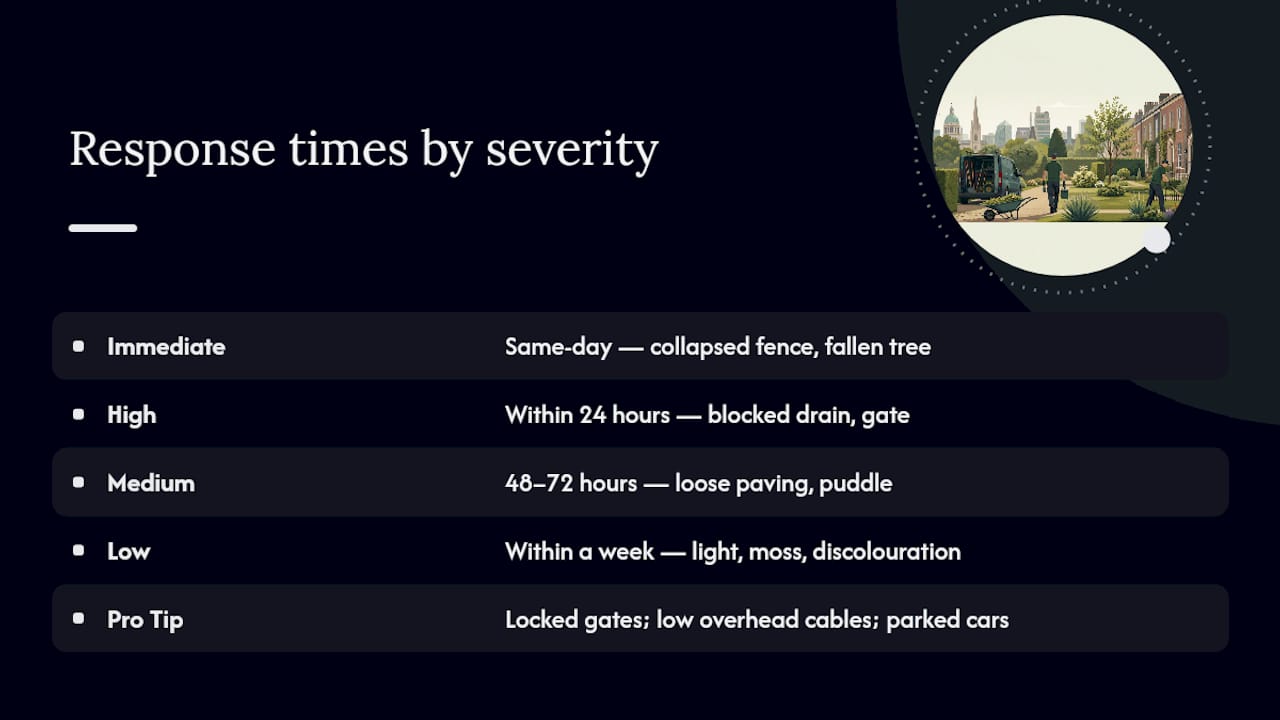
Immediate (safety or compliance risk): collapsed fencing onto a public footpath, a fallen tree blocking a fire exit, a flooded path creating a slip hazard. These need same-day attendance. Reactive works restore compliance quickly after incidents that create liability.
High (operational disruption): a blocked main drain causing surface flooding, a gate that will not close, a large branch resting on a boundary wall. Attend within 24 hours.
Medium (asset damage risk): a small puddle from a partially blocked gully, a section of loose paving, minor storm debris on a lawn. A 48–72 hour response is usually fine.
Low (cosmetic or deferrable): a broken garden light fitting, minor fence panel discolouration, a small patch of moss on paving. Schedule within the week or fold into the next planned visit.
Pro Tip: When you call, note the access constraints: locked side gates, low overhead cables, parked cars blocking the entrance. Sharing this upfront prevents delays on the day and keeps the quote accurate.
How does reactive maintenance differ from planned maintenance?
The distinction matters for your budget and your property's long-term condition.
| Factor | Reactive maintenance | Planned maintenance |
|---|---|---|
| Timing | After an incident occurs | Scheduled in advance |
| Cost pattern | Variable; often higher per visit | Predictable; lower average cost over time |
| Safety impact | Restores safety quickly | Reduces incidents before they happen |
| Asset life | Addresses damage already done | Slows deterioration proactively |
| Record keeping | Incident-by-incident | Ongoing log; supports compliance audits |
Reactive works are typically more costly over the long term because defects are often noticed only after they worsen. Delaying maintenance can accelerate asset deterioration and increase liability. The practical answer for most Dublin landlords is to combine both: a scheduled maintenance contract for routine upkeep, with reactive cover for incidents that fall outside the schedule.
Digital reporting and asset lifecycle planning sit at the centre of an integrated strategy, giving you a clear record of every reactive call and its cost alongside your planned works log.
What do reactive maintenance jobs typically cost?
Response times and prices vary, but typical response windows include same day attendance for safety-critical incidents, next-day to a couple of days for high-priority operational issues, and several days for medium and low-priority work.
What drives the response window is time of call, season, crew availability, and severity. A call logged on a Friday afternoon in January after a storm will compete with many others.
Primary cost drivers:
- Travel and site access (distance, restricted entry, parking)
- Specialist machinery (stump grinder, high-reach pruner, jet wash)
- Waste disposal and green-waste removal
- Arborist certification requirements for certain tree works
- Depth of repair (surface patch vs. full slab replacement)
Ballpark pricing varies considerably by task and site. A small drain clearance costs far less than emergency tree surgery requiring specialist equipment. Always request a written, itemised quote based on photos or a site inspection before any work begins. Timely reactive repairs also reduce void periods by keeping properties presentable and safe for tenants.
Drainage incidents in particular can escalate quickly. Rapid drainage response prevents surface water from reaching foundations or internal spaces. The remediation cost rises sharply there.
How a professional reactive contractor handles a job
A professional reactive grounds contractor follows a clear sequence from first contact to completion.
- Initial contact and photos: you describe the incident and send photos. The contractor assesses scope and flags any specialist requirements.
- Risk assessment: the contractor identifies hazards (overhead lines, unstable structures, public access) before attending.
- Site inspection: on arrival, the crew confirms the scope against the photos and notes any changes.
- Written quote: a written, itemised quote is provided before work starts. No reputable contractor begins without one.
- Method statement and scheduling: for anything beyond a straightforward clearance, a method statement sets out how the work will be done safely.
- Works executed: the crew carries out the repair, clearance, or restoration.
- Waste removal and follow-up: waste and green material are removed from site. Before/after photos document the outcome. A workmanship follow-up confirms the fix holds.
For out-of-hours emergencies, ask the contractor directly whether they offer evening or weekend attendance and what the call-out terms are.
How to choose a reactive grounds contractor in Dublin
Use this checklist before agreeing any work.
Must-haves:
- Public liability insurance (ask for the certificate, not just a verbal confirmation)
- Employer's liability insurance
- Written, itemised quote before works start
- Waste carrier registration for green and construction waste
- Health and safety method statement for non-trivial jobs
- References or anonymised case examples
- Clear payment terms (never pay the full amount upfront)
Questions to ask:
- What is your typical response time for a job of this type?
- How many crew members will attend and what equipment do they bring?
- How is green waste and debris disposed of?
- Do you carry arborist certification for tree works?
- What is your workmanship guarantee and follow-up process?
Red flags: no insurance evidence on request, a vague scope with no written quote, demand for full payment before work starts, no method statement for tree or structural work.
A reactive call handled by Sherrypropertycare: Dublin case example
Trigger: A landlord managing a mid-terrace rental in south Dublin contacted Sherrypropertycare after a storm brought down a section of timber boundary fencing, leaving a gap onto a shared laneway.
Assessment: Photos were sent the same evening. Sherrypropertycare reviewed them, identified the post failure as the primary cause, and provided a written quote within 24 hours.
Works: The crew attended the following morning, removed the damaged panels and broken post, installed a replacement post and three new panels, and cleared all timber debris from site. Total time on site: under three hours.
Outcome: The boundary was secured, the laneway access was closed off, and the landlord had before/after photos for their records by early afternoon.
Pro Tip: Keep a folder of before/after photos from every reactive job. They support insurance claims, demonstrate compliance to inspectors, and give you a clear maintenance history if you ever sell the property.
Why a mixed approach pays for Dublin properties
Dublin's weather creates a steady stream of reactive calls: Atlantic storms from October through March, waterlogged ground that stresses fencing posts and paving, and the kind of rapid tenant turnover in urban rentals that means a property rarely gets a long quiet period. Reactive cover is not optional for a Dublin landlord; it is a baseline.
That said, a reactive-only approach costs more over time. Defects noticed only after they worsen are more expensive to fix, and repeated emergency calls add up faster than a scheduled upkeep programme would. The practical balance is straightforward: schedule two or three seasonal inspections per year to catch developing issues early, and keep reactive cover in place for the incidents that no inspection can predict.
Sherrypropertycare: on-demand reactive cover for Dublin properties
When something goes wrong with your garden or grounds, you need a fast, reliable response with no guesswork about cost.

Sherrypropertycare provides on-demand reactive grounds maintenance across Dublin for residential and commercial properties. Send photos of the damage and receive a customised written quote based on what the job actually requires. Every job is covered by public liability and employer's liability insurance. Method statements are provided for any work with a safety dimension, and before/after photos are standard on every visit. Workmanship follow-up is included.
To get a written quote for your reactive job, send photos to Sherrypropertycare and a response will follow promptly.
Sources
- Why Rapid Sewer Repair Matters for Your Home
FAQ
What is reactive maintenance for a garden?
Reactive maintenance means corrective repairs and clean-ups carried out after an unexpected incident, such as storm damage, a blocked drain, or a fallen tree. The aim is to restore safety and function quickly rather than on a fixed schedule.
How quickly can a reactive grounds contractor attend in Dublin?
Safety-critical jobs typically receive same-day attendance; high-priority issues are usually addressed within 24–48 hours. Response time depends on severity, crew availability, and time of call.
Is reactive maintenance more expensive than planned maintenance?
Per visit, reactive work often costs more because defects are addressed after they worsen. Combining reactive cover with a planned maintenance schedule reduces overall spend and limits emergency call frequency.
What should I send to get a quote for reactive garden work?
Send clear photos of the damage from multiple angles, note any access constraints, and describe when the incident occurred. Sherrypropertycare provides customised written quotes based on photos without requiring a preliminary site visit in most cases.
What insurance should a reactive grounds contractor carry?
Ask for evidence of public liability insurance and employer's liability insurance before agreeing any work. A reputable contractor will provide certificates on request and supply a method statement for any job with a safety dimension.