TL;DR:
- Waterproofing maintenance involves regular inspections, cleaning, repairs, and reapplication to prevent water damage. Proper upkeep can double a building's waterproofing lifespan and reduce costly structural repairs in Dublin's wet climate. Professional assessments and routine care are essential for property longevity, safety, and value preservation.
Waterproofing maintenance is the ongoing process of inspecting, cleaning, repairing, and reapplying waterproofing systems to keep them effective against water intrusion and structural damage. In the property industry, this practice is formally known as waterproofing system upkeep or preventive waterproofing care. For homeowners and property managers in Dublin, Ireland, where rainfall is frequent and persistent, understanding this process is not optional. It is the difference between a building that holds its value and one that quietly deteriorates from the inside out. The core activities include scheduled inspections, surface cleaning, crack repairs, drainage monitoring, and periodic reapplication of coatings or membranes.
What does waterproofing maintenance involve?
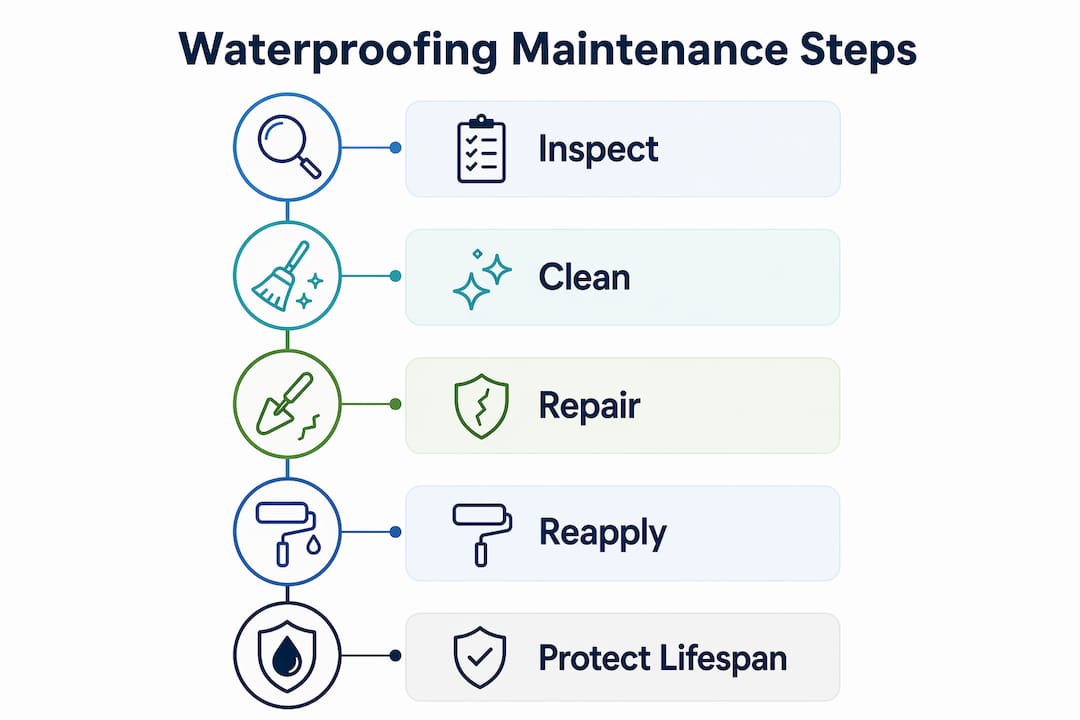
Waterproofing maintenance covers a defined set of tasks carried out at regular intervals to preserve the performance of your building's waterproofing system. These tasks are not complex in isolation, but skipping any one of them creates gaps that water will find. Here is what a proper maintenance cycle looks like in practice:
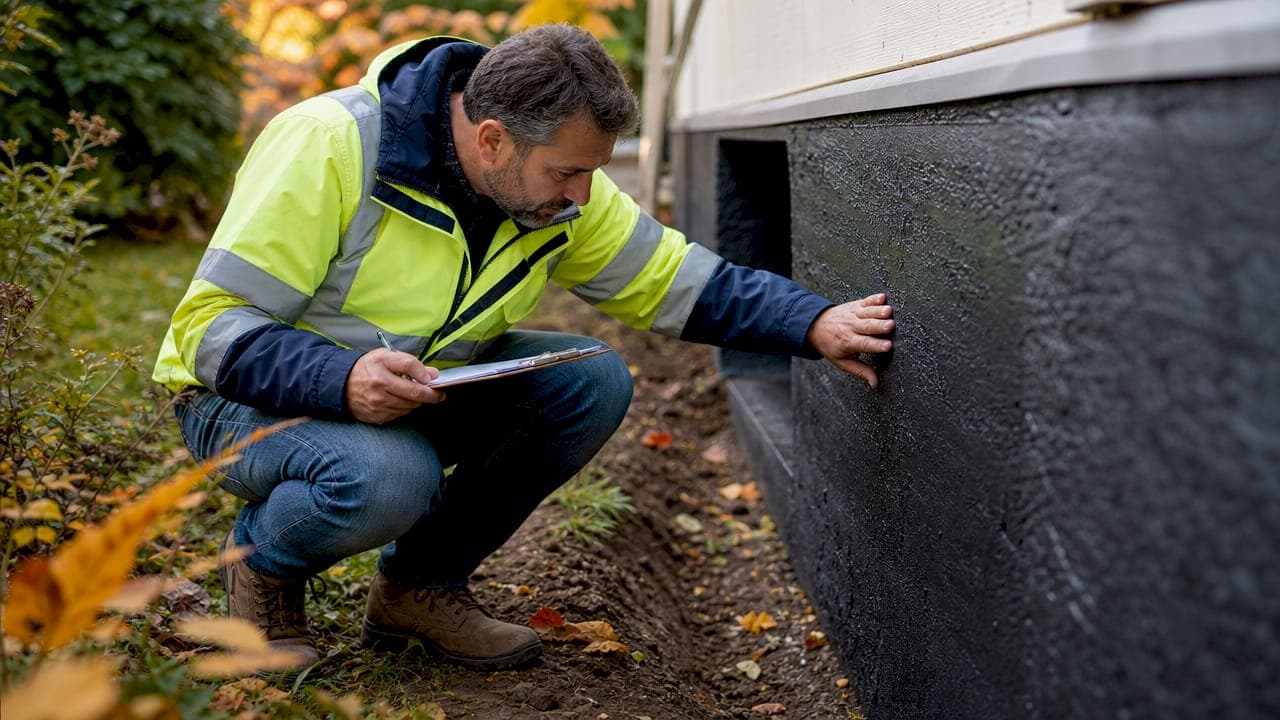
- Visual inspections — Check all waterproofed surfaces for cracks, blisters, peeling, or discolouration. Pay close attention to joints, corners, and areas around penetrations such as pipes and vents.
- Surface cleaning — Remove moss, algae, dirt, and debris from roofs, walls, and basement surfaces. Organic growth accelerates membrane degradation and blocks drainage paths.
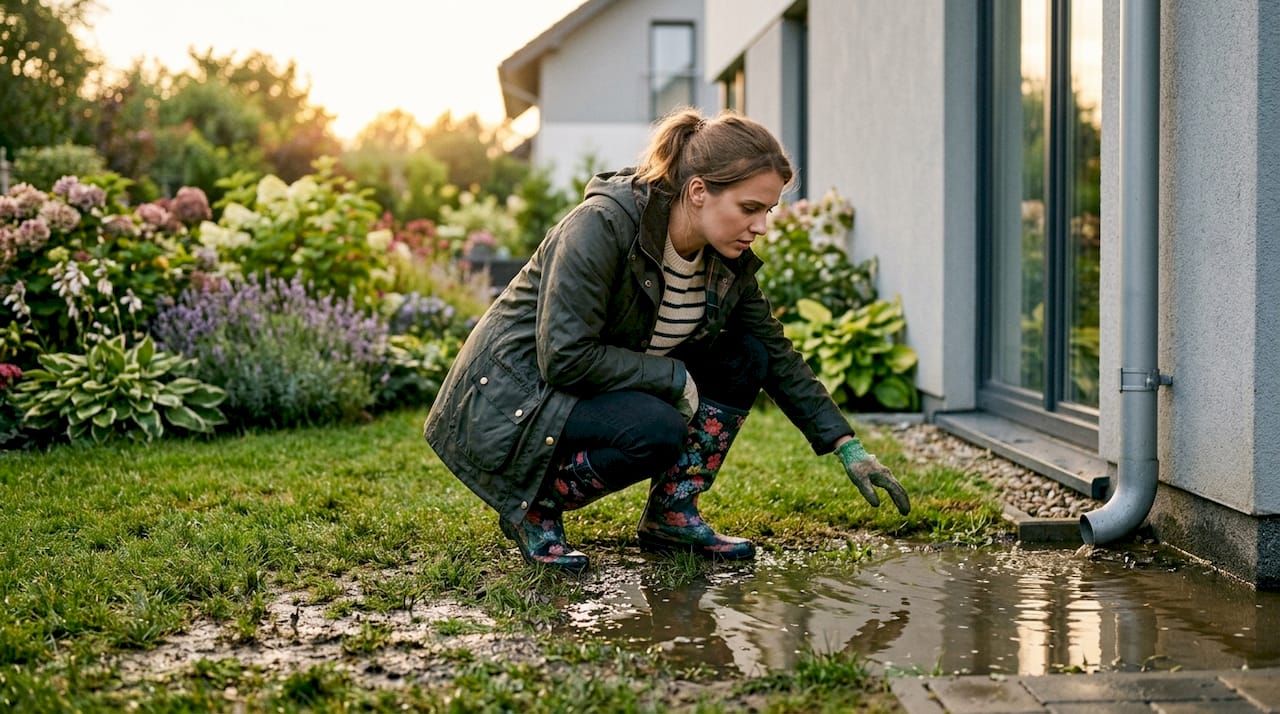
- Drainage checks — Inspect gutters, downspouts, and surface drains to confirm water flows away from the building. Keeping drainage systems clear is one of the most direct ways to prevent moisture intrusion near foundations.
- Minor repairs — Seal small cracks and reapply sealant around joints before they widen. A crack that is two millimetres wide today can admit significant water within a single wet season.
- Moisture monitoring — Use a moisture metre to detect hidden damp in walls or floors that visual checks miss. Professional assessors use tools like the Tramex Moisture Encounter or Protimeter Surveymaster for this purpose.
- Reapplication scheduling — Plan ahead for full reapplication of coatings or membranes based on the system's age and condition, not just visible failure.
Pro Tip: After every period of heavy rainfall in Dublin, do a quick walk-around of your property. Look for pooling water, damp patches on interior walls, and any new staining on ceilings. Catching these signs early costs far less than a structural repair.
How long do waterproofing systems last?
Waterproofing systems last between 5 and 20 years depending on the system type, the quality of the original installation, and how consistently maintenance is carried out. That is a wide range, and maintenance is the single biggest variable within your control. Regular maintenance can double the effective lifespan of a waterproofing system compared to one that is left unattended. For a Dublin property owner, that difference can mean avoiding a full reapplication for an additional decade.
The table below shows typical lifespans for common waterproofing systems and how maintenance affects their durability.
| System type | Typical lifespan without maintenance | Lifespan with regular maintenance |
|---|---|---|
| Bituminous membrane | 5 to 10 years | Up to 20 years |
| Liquid-applied coating | 5 to 8 years | 10 to 15 years |
| Cementitious waterproofing | 8 to 12 years | 15 to 20 years |
| Sheet membrane (EPDM) | 10 to 15 years | 20 years or more |
When a system does reach the end of its life, reapplication costs average between $1 and $3 per square foot depending on materials and the extent of surface preparation required. Catching deterioration early through biannual inspections keeps you in the lower end of that cost range. Signs that reapplication is overdue include persistent damp patches, visible membrane cracking, water staining on interior surfaces, and a noticeable drop in indoor air quality.
Pro Tip: Book your professional waterproofing inspection in spring and again in autumn. Spring checks catch any damage from winter frost and rain. Autumn checks prepare your building for the wet months ahead, which is particularly relevant in Dublin where October through January brings the heaviest rainfall.
Why is waterproofing maintenance critical for property owners?
Neglecting the waterproofing process does not simply result in a leaky roof. Skipping maintenance causes mould growth, reduced insulation performance, and expensive structural damage that costs far more to fix than the maintenance would have. For Dublin property managers overseeing multiple units, one neglected building can generate repair bills that wipe out months of rental income.
The consequences of poor waterproofing upkeep include:
- Foundation decay — Water that penetrates the foundation weakens concrete and corrodes steel reinforcement over time.
- Mould and mildew — Persistent damp creates conditions for mould growth, which affects indoor air quality and can trigger health issues for occupants.
- Insulation failure — Wet insulation loses its thermal resistance, which raises heating costs. In Dublin's climate, this is a direct hit to energy bills.
- Property value loss — A building with visible damp or a history of water damage is harder to sell and commands a lower price on the Dublin market.
- Regulatory exposure — Landlords in Ireland have legal obligations under the Housing (Standards for Rented Houses) Regulations to maintain properties free from damp and structural defects.
"True waterproofing resists hydrostatic pressure and acts as a complete barrier to water under pressure, unlike basic dampproofing which only resists surface moisture." — Wheeler Painting
Many homeowners confuse dampproofing with true waterproofing. Dampproofing and waterproofing are not the same thing. Dampproofing resists surface moisture only. Waterproofing resists hydrostatic pressure, which is the force of water pushing against a structure from the outside. Maintaining a true waterproofing system is the only reliable defence for basements, flat roofs, and below-ground structures.
DIY maintenance vs professional waterproofing services
Understanding where DIY tasks end and professional work begins saves you money and prevents costly mistakes. The comparison below sets out what each approach covers.
| Task | DIY suitability | Professional advantage |
|---|---|---|
| Gutter and drain clearing | Suitable for most homeowners | Professionals identify root causes of blockages |
| Visual surface inspection | Good for surface-level checks | Moisture metres detect hidden damp DIY cannot find |
| Crack sealing with off-the-shelf products | Suitable for hairline cracks only | Professionals match repair products to membrane type |
| Full reapplication of membranes | Not recommended | Correct surface prep and application technique required |
| Drainage slope assessment | Difficult without equipment | Professionals use levels and flow testing |
| Compliance documentation | Not applicable | Professional services provide warranties and records for regulatory purposes |
DIY maintenance has genuine value for routine tasks like clearing gutters and doing visual walk-arounds. The limitation is that DIY inspections miss what is happening beneath the surface. A moisture metre reading of 25% or above in a wall indicates active damp that no visual check would reveal. Improper repairs, such as applying the wrong sealant over a bituminous membrane, can trap moisture and accelerate failure rather than prevent it.
Professional maintenance is the more cost-effective choice over the long term. A professional inspection every six months costs a fraction of what a structural repair or full membrane replacement costs. For property managers in Dublin overseeing commercial or multi-unit residential buildings, professional assessments also provide the documentation needed to demonstrate compliance with building regulations.
Practical maintenance tips for Dublin homeowners
Dublin's climate makes consistent waterproofing upkeep non-negotiable. The city receives over 700 millimetres of rainfall annually, and the combination of wet winters and freeze-thaw cycles in January and February puts particular stress on membranes and sealants. These practical steps keep your system performing year-round.
- Schedule professional inspections at least twice a year, ideally in April and October.
- Keep all gutters, downspouts, and surface drains clear of leaves and debris. Drainage upkeep is more important to membrane longevity than the cost of the membrane itself.
- Address any crack or blister within four weeks of discovery. Use products compatible with your existing membrane type.
- Avoid planting shrubs or trees within one metre of your foundation. Root systems disrupt waterproofing layers and create pathways for water.
- Monitor indoor humidity with a basic hygrometer. Readings consistently above 60% indoors suggest moisture is entering through the building fabric.
- Keep a written log of all inspections, repairs, and reapplications. This record is useful for insurance claims, property sales, and regulatory compliance.
Pro Tip: If you manage a commercial property in Dublin, a scheduled maintenance programme that includes waterproofing checks protects your investment and simplifies compliance reporting. A documented maintenance history adds tangible value when the property is assessed or sold.
Key takeaways
Waterproofing maintenance is the most cost-effective way to protect a building's structure, and biannual professional inspections are the single most important step any Dublin property owner can take.
| Point | Details |
|---|---|
| Define the scope | Waterproofing maintenance includes inspections, cleaning, repairs, drainage checks, and reapplication scheduling. |
| Maintenance extends lifespan | Regular upkeep can double a system's effective lifespan compared to neglect. |
| Neglect is expensive | Skipping maintenance leads to mould, insulation failure, and structural decay that costs far more to repair. |
| DIY has limits | Visual checks and gutter clearing are suitable DIY tasks; hidden damp detection and reapplication require professionals. |
| Dublin climate demands consistency | Over 700mm of annual rainfall means twice-yearly inspections are the minimum for properties in Dublin, Ireland. |
What I have learned from years of property maintenance in Dublin
Most homeowners treat waterproofing as a one-off installation job. They have a membrane applied, pay the invoice, and assume the work is done for a decade. That is the single most common and costly mistake I see in Dublin properties.
The reality is that a waterproofing system is only as good as the maintenance behind it. I have seen relatively inexpensive membranes outlast premium systems by years, purely because the cheaper installation was inspected and maintained properly. The material matters less than the discipline of upkeep.
What surprises most property managers is how much damage originates not from the membrane itself but from drainage failure. A blocked downspout or a flat roof with poor fall sends water pooling against a membrane for days at a time. No membrane is designed for that kind of sustained pressure. Clearing drains and checking slope costs almost nothing. Replacing a saturated flat roof does not.
My honest advice: do not wait for a visible leak to act. By the time water appears on your ceiling or walls, it has already been moving through your building fabric for weeks. The commercial property maintenance guide for Dublin I recommend to clients makes this point clearly. Proactive cycles of inspection and minor repair are always cheaper than reactive emergency fixes. Build the habit, document everything, and work with a local professional who knows Dublin's building stock and climate.
— gerard
How Sherrypropertycare can help with your property in Dublin

Sherrypropertycare works with homeowners and property managers across Dublin, Ireland to keep properties in excellent condition year-round. Our team carries out detailed property assessments, grounds maintenance, and routine upkeep that supports the long-term health of your building. Whether you need a one-off inspection or a regular maintenance plan tailored to your property, we provide clear, practical advice and quality workmanship you can rely on. Visit Sherrypropertycare to request a customised quote. Send us a photo of your property and we will get back to you with a plan that fits your needs and your budget.
FAQ
What is waterproofing maintenance in simple terms?
Waterproofing maintenance is the regular process of inspecting, cleaning, repairing, and reapplying waterproofing systems to keep them working effectively. It prevents water from entering a building and causing structural or cosmetic damage.
How often should waterproofing be inspected?
Professional inspections every six months are the recommended standard for most commercial and residential waterproofing systems. In Dublin, scheduling checks in spring and autumn aligns inspections with the most demanding weather periods.
What are the most common waterproofing issues found during maintenance?
The most common issues are cracked or blistered membranes, blocked drainage causing water pooling, failed sealant around joints and penetrations, and damp patches caused by condensation or water ingress. Most of these are inexpensive to fix when caught early.
Can I do waterproofing maintenance myself?
You can carry out basic tasks such as clearing gutters, doing visual checks, and sealing hairline cracks with compatible products. However, detecting hidden moisture, assessing membrane integrity, and carrying out reapplication correctly requires professional tools and expertise.
How does waterproofing maintenance affect property value in Dublin?
A well-maintained waterproofing system protects the structural integrity of a building and prevents the damp-related defects that reduce property value on the Dublin market. Documented maintenance records also support smoother property sales and insurance assessments.