TL;DR:
- Preparing Dublin properties for winter requires early action, including heating service, pipe insulation, and roof checks.
- Tenant communication and safety device testing are crucial for reducing winter damage and emergency costs.
A winter property preparation guide is a structured plan for protecting your home or rental from cold-weather damage before temperatures drop. Dublin's Atlantic climate brings wet, windy winters with regular frost, making proactive seasonal upkeep a practical necessity rather than an optional extra. Frozen pipes alone can cause water damage averaging £14,000 per incident. That figure makes a compelling case for acting early. Sherrypropertycare works with Dublin homeowners and property managers throughout the year, and the advice in this guide reflects what actually works in Irish conditions.
What are the critical winter maintenance tasks every Dublin property needs?
Seasonal property upkeep follows a clear priority order. Start with the systems that cause the most expensive failures when they go wrong, then work outward to the fabric of the building.
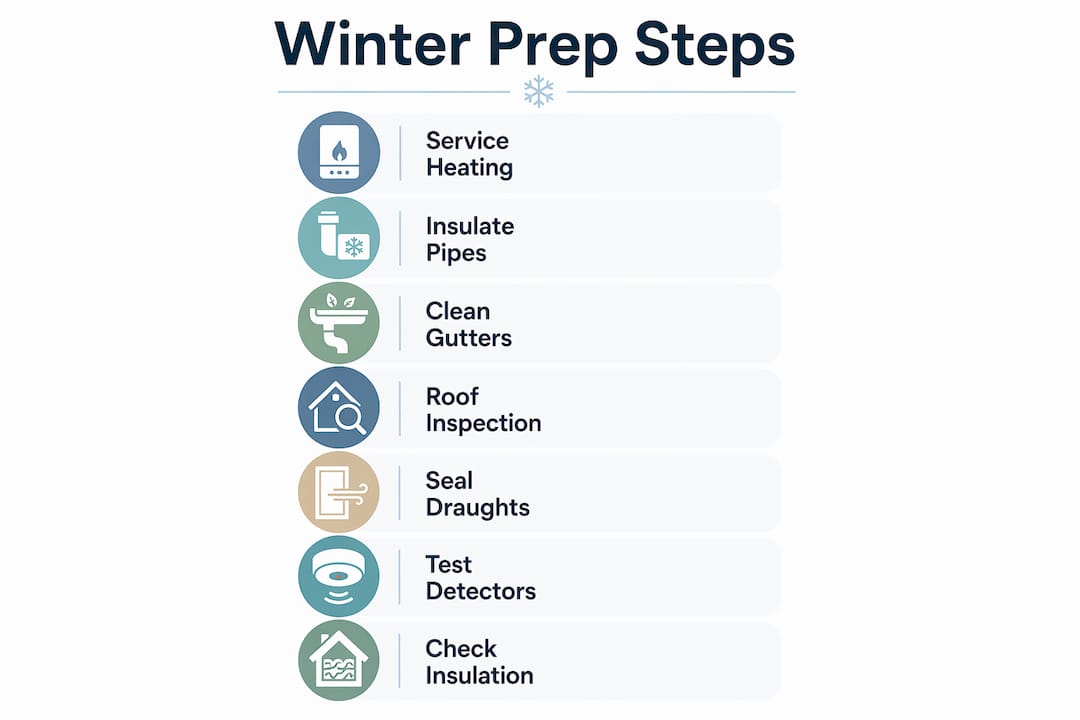
1. Service your heating system
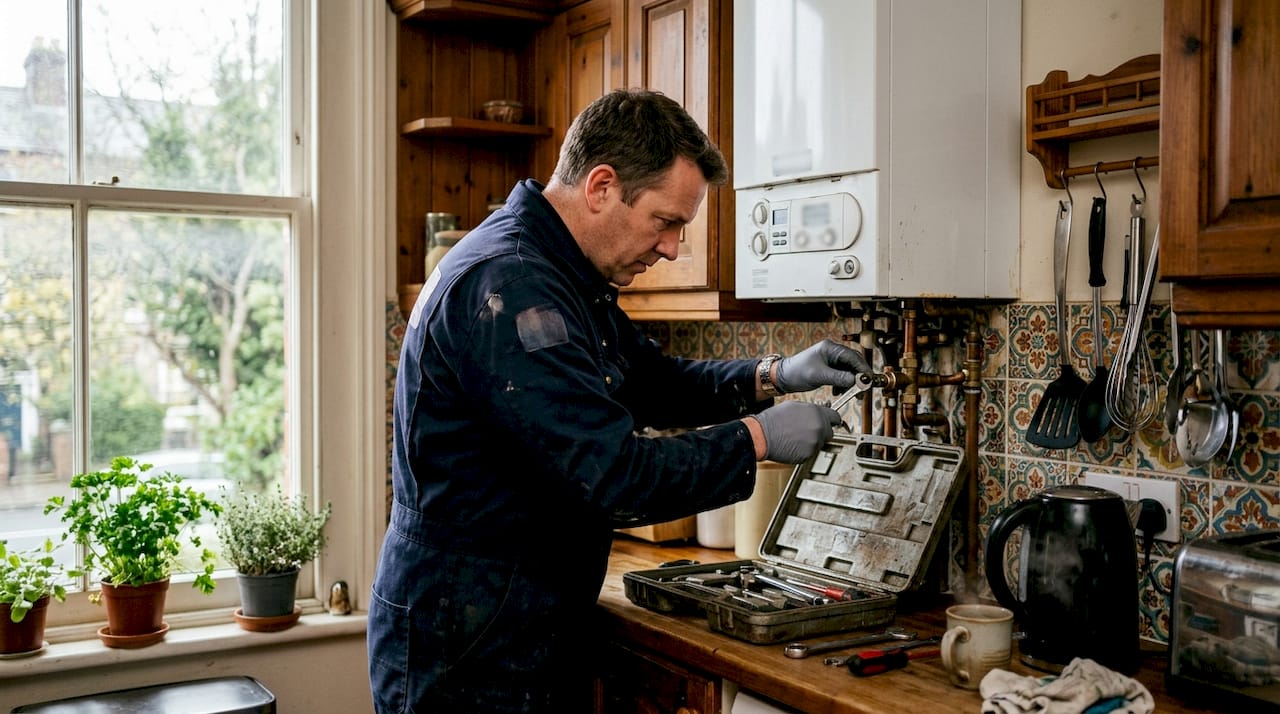
Book a Gas Safe or RGII-registered engineer to service your boiler before october. Test every thermostat and radiator valve. A boiler that fails in january costs far more to fix than one serviced in september, both in parts and in emergency call-out fees.
2. Insulate pipes and set a minimum indoor temperature
Setting a minimum indoor temperature of 13°C (55°F) is the single most effective safeguard against pipe freezing in vacant or rental properties. Fit foam lagging to any exposed pipes in attics, garages, and under-floor voids. Pay particular attention to pipes on north-facing external walls.
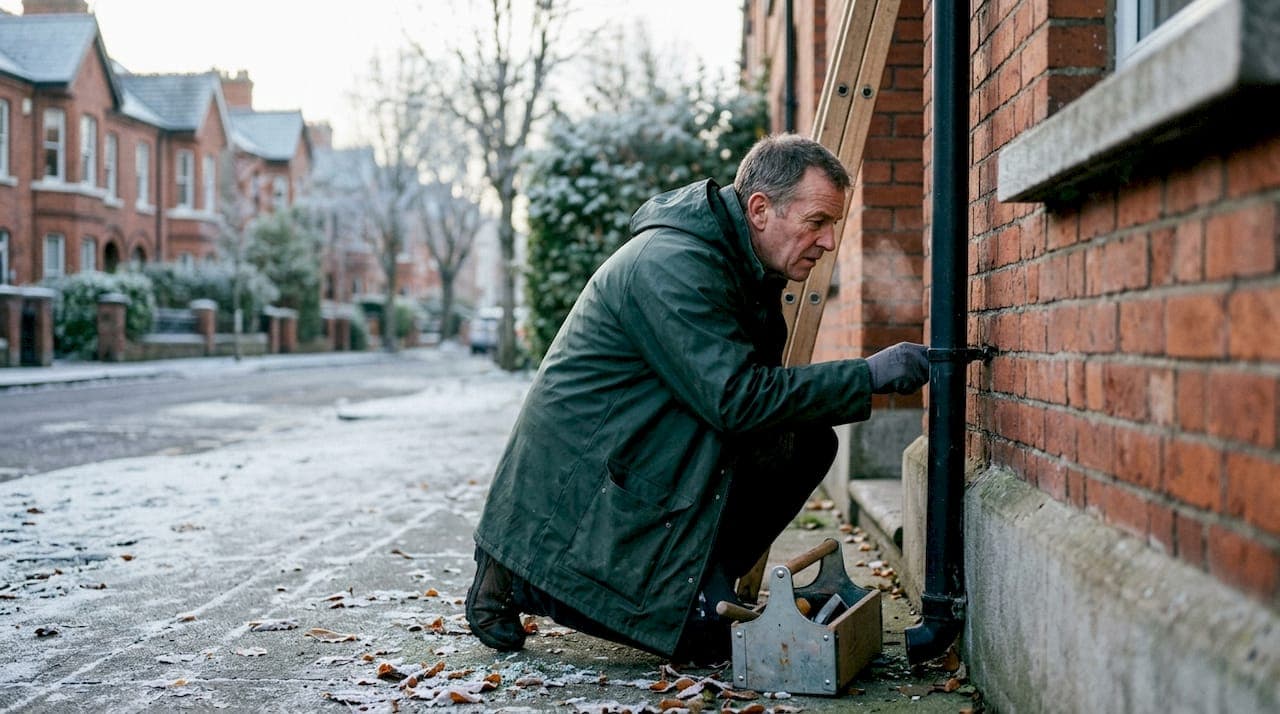
3. Inspect and clean gutters
Blocked gutters cause water to back up under roof tiles and saturate fascia boards. Clear leaves and debris after the main leaf fall in november, before the first hard frost. A step-by-step gutter guide covers the tools and technique in detail.
4. Check the roof
Ground-level roof inspection with binoculars is often sufficient to spot cracked tiles, lifted flashing, or sagging sections. You do not need to climb a ladder for a first assessment. If you spot damage, call a roofer before frost makes repairs dangerous. A full Dublin roof maintenance guide gives further detail on what to look for.
5. Seal draughts around windows and doors
Self-adhesive weatherstripping costs very little and cuts heat loss significantly. Run your hand around door frames and window reveals on a windy day. Any cold air movement signals a gap that needs sealing.
6. Test smoke and carbon monoxide detectors
Safety best practice requires a detector on every level of the property, tested monthly. Carbon monoxide risk rises sharply in winter when boilers and gas fires run continuously in poorly ventilated rooms. Replace batteries now rather than waiting for the low-battery alarm.
7. Check attic insulation and ventilation
Proper attic insulation combined with ventilation prevents ice dams, which form when heat escapes through the roof and melts snow that then refreezes at the eaves. Ice dams are a leading cause of roof leaks during winter thaw cycles in Dublin.
Pro Tip: Photograph every area you inspect. A dated photo record protects you if a tenant later disputes when damage occurred.
When should Dublin homeowners schedule winter preparation activities?
Timing is the difference between a planned job at a standard rate and an emergency call-out at a premium. Scheduling winterisation 6–8 weeks before the first expected freeze maximises contractor availability and avoids the price spikes that come with high demand in november and december.
For Dublin properties, that means starting your preparation programme in late september or early october. Follow this sequence:
- Early october: Book your boiler service and HVAC inspection. Heating engineers fill up fast.
- Mid october: Inspect the roof, check attic insulation, and order weatherstripping and pipe lagging materials.
- Late october to early november: Clear gutters after the bulk of leaf fall. Seal draughts. Test all detectors.
- November: Confirm minimum temperature settings for any vacant or rental units. Brief tenants in writing.
Proactive maintenance reduces emergency HVAC call-outs by 45% and helps you avoid emergency labour premiums of 1.5–2.5 times standard rates. That saving alone justifies the time spent planning.
Pro Tip: Set a recurring calendar reminder for 1 October each year. Treat it as your winter preparation start date, not a deadline.
For broader year-round planning, the seasonal maintenance tips for Dublin homes resource from Sherrypropertycare sets out a full twelve-month schedule.
What tools and materials do you need for winter property preparation?
Good preparation does not require specialist equipment. Most of what you need is available from any builders' merchant or hardware shop in Dublin.
Core materials
| Item | Purpose | Approximate cost |
|---|---|---|
| Foam pipe lagging | Insulates exposed pipes against freezing | £1–£3 per metre |
| Self-adhesive weatherstripping | Seals gaps around doors and windows | £5–£15 per pack |
| Window insulation film | Reduces heat loss through single-glazed panes | £10–£20 per kit |
| Ice melt granules | Clears paths and steps safely | £8–£15 per bag |
| Gutter scoop and hose | Clears debris from gutters | £10–£20 |
| Smoke and CO detectors | Safety compliance on every floor | £15–£40 each |
Annual HVAC professional servicing typically costs £80–£250 and covers efficiency checks and CO safety testing. Budget an additional £80–£300 for basic winterisation materials, rising if repairs are needed.
Safety and inspection equipment
- Binoculars for ground-level roof inspection
- A stable ladder for gutter work, with a second person to foot it
- Torch for checking attic insulation and pipe runs
- Notepad or phone for logging inspection findings
Documentation resources
Clear written records matter as much as physical maintenance. The Dublin landlords' maintenance checklist from Sherrypropertycare provides ready-to-use templates for inspection logs and tenant communication letters. For plumbing-specific preparation, a dedicated home plumbing winter guide covers pipe protection in detail.
How should property managers communicate winter expectations to Dublin tenants?
Winterisation is as much about communication and documentation as physical maintenance. Clear written expectations reduce liability and improve how tenants respond to winter emergencies. Send a winter preparation letter to all tenants by mid october each year.
A good tenant letter covers:
- Minimum heating requirement: Tenants must keep the property at or above 13°C at all times, including when away. This prevents pipe freezing and mould growth.
- Reporting faults promptly: Give a clear emergency contact number for heating failures, leaks, and structural damage. State the expected response time.
- Safe heating practices: Remind tenants not to use gas cookers or portable fuel-burning heaters as primary heat sources. Carbon monoxide risk is real and preventable.
- Snow and ice clearing: If the property has a shared path or driveway, clarify who is responsible for gritting and clearing.
- Energy conservation: Advise tenants to keep loft hatches closed, use draught excluders, and report dripping taps before they become burst pipes.
Older adults and those unfamiliar with Irish winters can have reduced temperature sensitivity. Recommending a visible indoor thermometer in the living room helps them monitor actual room temperature rather than relying solely on the boiler thermostat.
Pro Tip: Keep a copy of every tenant communication letter, signed and dated. If a dispute arises after a winter incident, your paper trail is your protection.
What common winter damages should Dublin property owners watch out for?
Most winter damage is predictable. The problems below appear repeatedly in Dublin properties every year, and every one of them is preventable with timely action.
Ice dams are the most underestimated winter threat to Dublin roofs. They form when heat escaping through a poorly insulated attic melts snow on the roof. That meltwater runs down to the cold eaves and refreezes, forcing water back under tiles and into the roof structure. The fix is not removing ice. The fix is improving attic insulation and ventilation before winter begins.
- Burst pipes: Inadequate heating or missing pipe lagging in attic spaces causes pipes to freeze and split. A single burst pipe can release hundreds of litres of water before it is noticed.
- Blocked gutters causing water ingress: Gutters full of leaves overflow against the fascia and soffit, saturating timber and leading to rot and damp inside the property.
- Neglected safety devices: Smoke and CO detectors with flat batteries offer no protection. A boiler fault in a sealed room can be fatal within minutes.
- Delayed preparation: Waiting until a cold snap hits means competing with every other property owner for the same contractors. Emergency rates run at 1.5–2.5 times standard labour costs.
The home exterior maintenance guide from Sherrypropertycare covers exterior checks that catch many of these issues before they become expensive repairs.
Key takeaways
Effective winter property preparation in Dublin requires starting 6–8 weeks before the first frost, prioritising heating, pipe insulation, roof inspection, and tenant communication to prevent the most costly cold-weather damage.
| Point | Details |
|---|---|
| Start in early october | Book heating engineers and order materials before contractor demand peaks in november. |
| Set a 13°C minimum temperature | Keeping properties at or above 13°C prevents pipe freezing in vacant and rental units. |
| Inspect roof and gutters before frost | Clear gutters after leaf fall and check roof tiles visually to catch damage while repairs are still straightforward. |
| Communicate with tenants in writing | A dated winter letter sets clear expectations and protects you legally if incidents occur. |
| Test safety devices monthly | Smoke and CO detectors on every floor, tested monthly, are non-negotiable for winter safety. |
What I have learned from Dublin winters
I have seen the same pattern repeat itself every year. A property owner skips the october preparation window, tells themselves they will get to it in november, and then calls in a panic when a pipe bursts or the boiler fails on the coldest night of the year. The emergency call-out costs three times what the service would have cost in september.
The thing most guides do not tell you is that the physical tasks are the easy part. Ordering pipe lagging and booking a boiler service takes an afternoon. The harder discipline is doing it early enough to matter, before the urgency feels real.
Tenant communication is the other area where I see property managers consistently underinvest. A one-page winter letter sent in october, explaining the 13°C rule and the emergency contact number, prevents more winter incidents than any amount of insulation. Tenants who understand what is expected of them behave differently. They report a dripping tap before it becomes a burst pipe. They call when the boiler makes an unusual noise rather than waiting until it fails.
My honest advice: treat your october calendar reminder as a firm appointment, not a suggestion. The properties that come through Dublin winters without drama are the ones whose owners started preparing when it still felt too early.
— gerard
Sherrypropertycare: winter property care in Dublin
Dublin properties need consistent, professional attention as the seasons change, and Sherrypropertycare provides exactly that.

Sherrypropertycare offers grounds maintenance, exterior upkeep, and seasonal preparation services tailored to residential and commercial properties across Dublin. Whether you need garden clearance before the first frost, path gritting arrangements, or a full exterior inspection ahead of winter, the team delivers reliable, meticulous work. Every job is quoted individually, so you pay for what your property actually needs. Visit Sherrypropertycare to send photos of your property and receive a personalised quote. Getting ahead of winter is straightforward when you have the right team behind you.
FAQ
When should I start preparing my Dublin property for winter?
Start 6–8 weeks before the first expected frost, which means beginning in late september or early october for most Dublin properties. Early scheduling secures contractor availability and avoids emergency rate premiums.
What temperature should I keep my rental property at in winter?
Keep the property at a minimum of 13°C (55°F) at all times, including when vacant. This temperature prevents pipe freezing and is the recognised safeguard for unheated or partially heated spaces.
How do I prevent ice dams on my roof?
Maintain adequate attic insulation combined with proper ventilation to stop heat escaping through the roof deck. Ice dams form when escaping heat melts snow that then refreezes at the cold eaves, forcing water under tiles.
How often should I test smoke and carbon monoxide detectors?
Test smoke and CO detectors monthly and fit one on every level of the property. Carbon monoxide risk increases in winter when boilers and gas appliances run continuously in less-ventilated rooms.
What is the most expensive winter damage Dublin homeowners face?
Burst pipes are among the costliest failures, with water damage incidents running into thousands of pounds per event. Fitting pipe lagging and maintaining a minimum indoor temperature of 13°C prevents the vast majority of freeze-related pipe failures.